
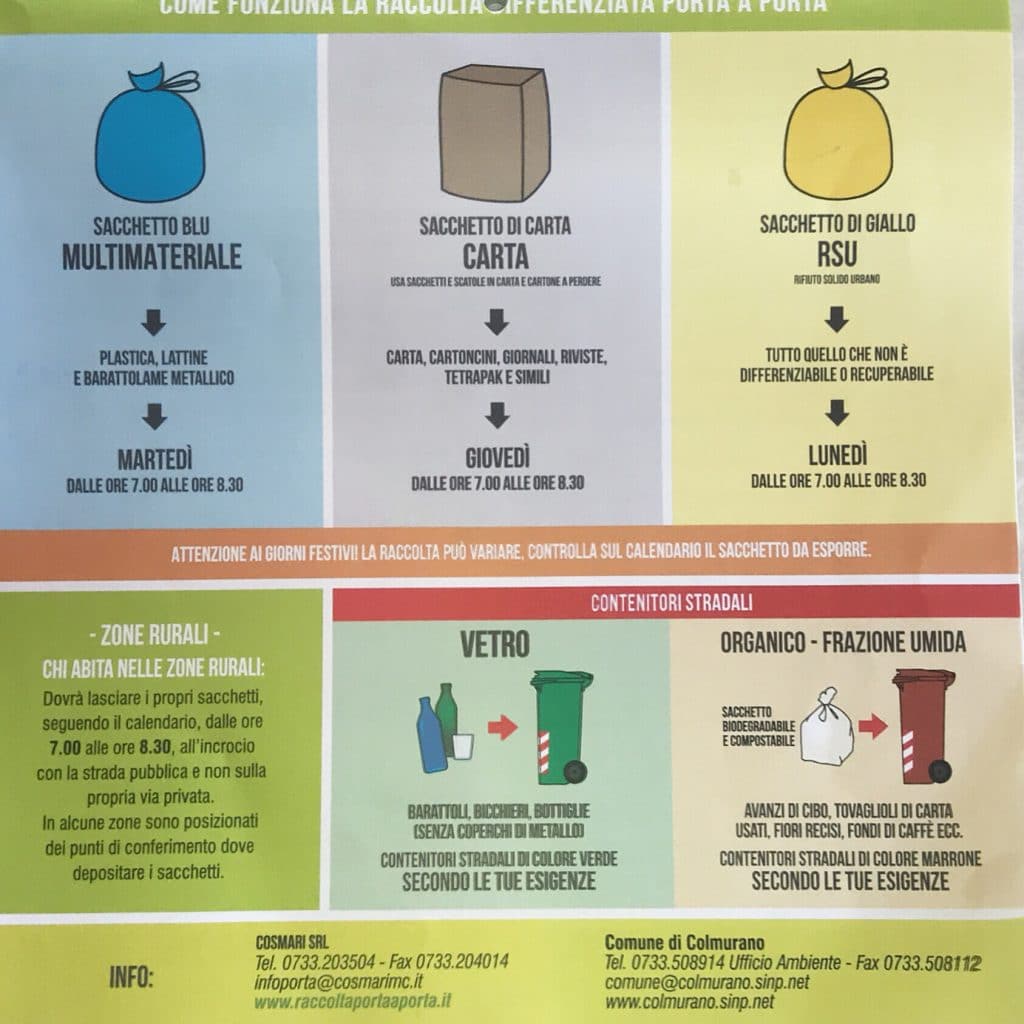
In Italy, distinguishing rifiuti is a common practice throughout the country. However, some cities have implemented slight modifications that differentiate the recycling process, and Milan is no exception. This article aims to provide an in-depth guide on how to distinguish rifiuti in Milan, highlighting the importance of proper waste segregation and the implementation of innovative solutions like the “sacco trasparente” program.
Understanding Waste Classification
Before diving into the specifics of Milan’s waste management system, it is essential to understand the basic principles of waste classification. Rifiuti can be broadly categorized into three types: organic, recyclable, and non-recyclable. Organic waste consists mainly of food scraps and other biodegradable materials, while recyclable waste includes materials like plastics, aluminum, and paper that can be processed into new products. Non-recyclable waste, on the other hand, includes materials that cannot be reused or recycled.
Segregation Norms for Recycling
Milan’s segregation norms follow standard guidelines for recycling, which include separating plastics, aluminum, and paper. To ensure proper collection, it is crucial to use designated containers for each type of material. The Amsa (Azienda Milanese Servizi Ambientali) has distributed informative pamphlets to 51,000 residential addresses, providing guidelines on the new recycling procedures.
Milanese Variations: Containing Rifiuti
One unique aspect of Milan’s waste management system is the use of specialized containers. The city has implemented a “sacco trasparente” (transparent bag) for non-recyclable waste, which aims to increase transparency and accountability in the collection process. The transparent bag has two compartments: one for indifferenziated waste and another for organic material.
Rationale Behind the “Sacco Trasparente”
The introduction of the “sacco trasparente” was designed to promote responsibility among citizens. By using a transparent bag, residents are incentivized to separate their waste correctly, ensuring that potential recyclable materials are not sent to landfills. The program has also reduced the number of non-recyclable materials in landfills and promoted a more efficient recycling process.
What Goes in the Transparent Bag?
Non-recyclable waste should be placed in the transparent bag, which contains:
- Indifferenziated waste: includes items like paper towels, toilet paper, and cleaning supplies.
- Organic material: includes food scraps, yard trimmings, and other biodegradable materials.
Failure to comply with this rule can result in a €50 fine. It is essential to note that organic waste should not be placed in the transparent bag, as it should be separated and collected separately.
A Guide to Waste Management in Milan
The Amsa (Azienda Milanese Servizi Ambientali) is responsible for managing waste collection in Milan. The organization has implemented various measures to promote sustainable waste management practices among citizens. Some key initiatives include:
- Distributing informative pamphlets to residential addresses.
- Implementing a door-to-door waste collection system.
- Providing public education campaigns on proper waste segregation.
Key Takeaways: Distinguishing Rifiuti in Milan
To ensure effective waste collection and recycling practices, it is essential to understand the following key takeaways:
- Understand the differences between organic, recyclable, and non-recyclable materials.
- Use designated containers for each type of material.
- Follow Milan’s segregation norms to ensure proper collection.
- Utilize the “sacco trasparente” for non-recyclable waste.
Frequently Asked Questions: Distinguishing Rifiuti in Milan
- What types of waste are included in the “sacco trasparente”?
- All non-recyclable materials should be placed in the transparent bag.
- How many compartments does a typical transparent bag have?
- The bag has two compartments: one for indifferenziated waste and another for organic material.
- What is the fine for failing to comply with segregation norms?
- A €50 fine will be imposed for non-compliance.
- Which organization is responsible for managing waste collection in Milan?
- The Amsa (Azienda Milanese Servizi Ambientali) handles waste management in Milan.
- How many pamphlets were distributed to residential addresses by the Amsa?
- 51,000 informative pamphlets were distributed to residential addresses.
- What is the goal of the “sacco trasparente” program?
- The program aims to increase transparency and accountability in waste collection.
- Can I recycle specific types of materials in Milan?
- Yes, recyclable materials like plastics, aluminum, and paper should be placed in designated containers.
- Is there a limit to the amount of organic waste that can be recycled?
- No, there is no limit to the amount of organic waste that can be recycled.
Conclusion
Waste management is an essential aspect of maintaining a sustainable environment. In Milan, distinguishing rifiuti and following proper segregation norms are crucial for effective waste collection practices. The “sacco trasparente” program has successfully promoted responsibility among citizens and reduced non-recyclable materials in landfills. By understanding the guidelines outlined in this article, residents can contribute to a more environmentally friendly city.
Additional Tips:
- Regularly clean your containers to prevent pests and odors.
- Consider participating in community recycling programs or initiatives.
- Educate family members and friends on proper waste segregation practices.
- Support local businesses that prioritize sustainability and environmentally responsible practices.


