
Introduction
Deep in the heart of the tropical forests, a mysterious creature roams free, shrouded in mystery. Meet the leopard cat, also known as Prionailurus viverrinus, a fascinating feline species that has captivated the imagination of many. In this article, we will delve into the characteristics, behavior, and habitat of this elusive animal, exploring its unique features and intriguing habits.
Physical Characteristics
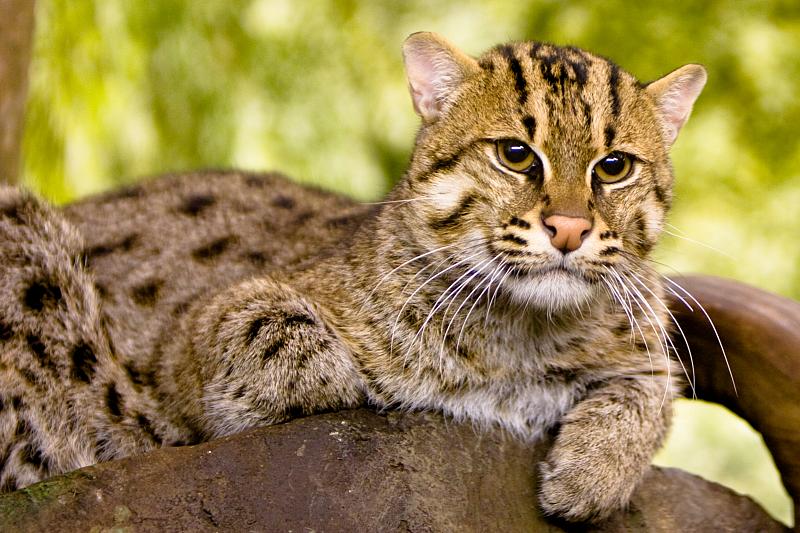
The leopard cat is a sleek and agile predator, with a slender body and short, broad head. Its ears are small and rounded, often barely visible above its eyes. The fur is soft and dense, but lacks the luster of domesticated cats, instead taking on various shades of brown and gray. The distinctive feature of this feline is its long tail, reaching up to 30 cm in length, which helps it balance while stalking prey.
Weight and Size
Adult leopard cats typically weigh between 8-12 kg, with males being slightly larger than females. Their overall size is comparable to that of medium-sized domesticated cats. However, despite their relatively small size, these felines are expert hunters, capable of taking down prey much larger than themselves.
Behavioral Traits
As a skilled hunter, the leopard cat’s primary instinct is to chase and catch fish, its preferred prey. Its slender limbs and palmate feet make it an expert swimmer, capable of propelling itself through the water with ease. In addition to fish, this feline also feeds on various other aquatic creatures, such as mollusks and small reptiles.
One of the most fascinating aspects of leopard cat behavior is their unique social structure. These solitary animals are not typically found in groups, unlike some other felines. Instead, they inhabit a vast territory, which they mark with scent to deter potential competitors. Within this territory, they will occasionally interact with other members of their species, often through subtle vocalizations or visual cues.
Aggression and Interaction
Leopard cats are known for their fierce territorial behavior, becoming aggressive when threatened or provoked. Their irascible nature makes them wary of humans, especially in areas where they encounter people frequently. While not typically sought after as pets, leopard cats can form bonds with their owners if socialized from an early age.
However, it’s essential to note that domesticating a wild leopard cat is extremely challenging and often unsuccessful. These felines are naturally wary of humans, and their instincts will eventually prevail when faced with captivity. It’s crucial to appreciate these animals in their natural habitat, rather than attempting to keep them as pets.
Habitat and Distribution
The leopard cat inhabits tropical forests, particularly in the Asian regions of India, Nepal, Pakistan, Myanmar, Thailand, China (southern), and Indonesia. These countries offer vast, humid environments, teeming with life, allowing this feline to thrive. However, its ability to adapt to various climatic zones makes it a resilient species.
In particular, the leopard cat is well-suited to the warm, humid climate of the tropical forests. Their thick fur coat helps them regulate their body temperature in these hot environments, while their agility and stealth enable them to navigate the dense underbrush with ease.
Conservation Status
Due to habitat loss and hunting, leopard cats are listed as Near Threatened on the IUCN Red List. Efforts should be made to preserve their natural habitats and minimize human-leopard cat conflicts.
One of the most significant threats to the leopard cat’s survival is habitat fragmentation. As forests are cleared for agriculture, urbanization, or other human activities, the leopard cat’s territory becomes increasingly fragmented. This makes it difficult for these felines to find food, shelter, and mates, ultimately leading to a decline in their population.
Conclusion
The leopard cat is an enigmatic creature, deeply rooted in its tropical environment. As we strive to understand and protect this species, it becomes apparent that preserving biodiversity is crucial for maintaining ecological balance. By exploring the intricacies of this feline’s behavior and habitat, we can work towards a harmonious coexistence with the natural world.
Interesting Facts
- Unique vocalizations: Leopard cats have a distinctive vocalization pattern, characterized by a series of high-pitched chirps and trills.
- Excellent climbers: Despite their slender build, leopard cats are skilled climbers, often ascending trees to hunt or rest.
- Aquatic adaptations: Their webbed feet and water-repellent fur make them well-suited for aquatic life, allowing them to swim with ease.
- Specialized digestive system: The leopard cat’s digestive system is adapted to break down the cellulose in plant material, making it an expert at hunting fish and other aquatic prey.
- Unique scent marking: Leopard cats use their scent glands to mark their territory, often depositing a pungent secretion on rocks or trees.
By Marta Abbà


