
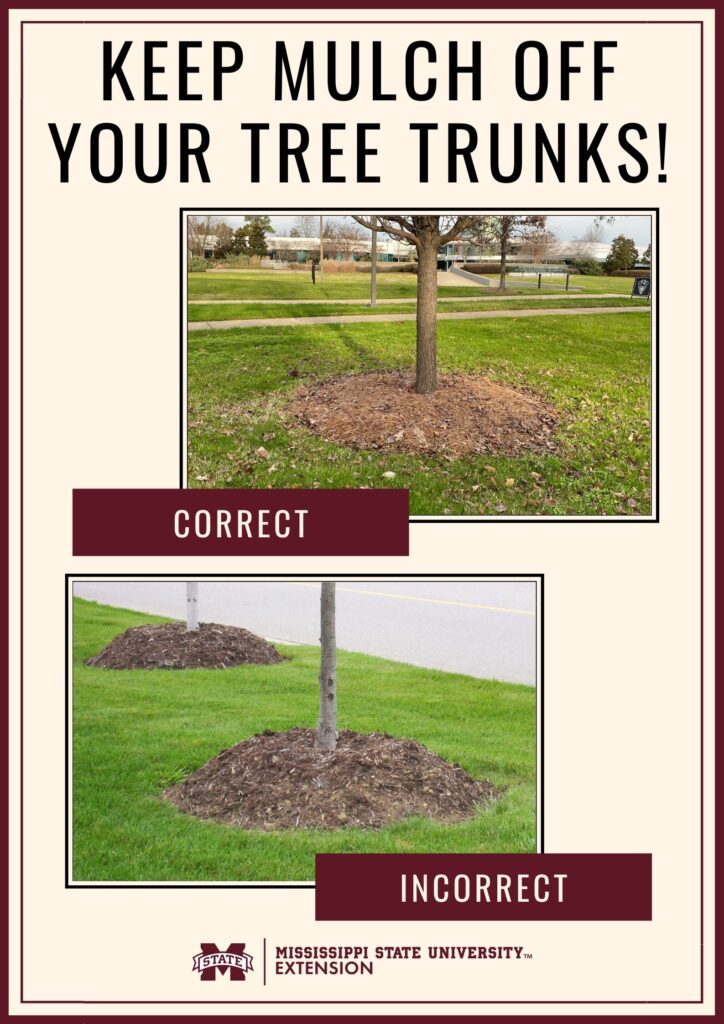
As a gardener, you’ve probably heard of mulching, but do you know how it works? In this article, we’ll delve into the world of mulching, exploring its benefits, types, and techniques. By the end of this guide, you’ll be equipped with the knowledge to create a healthy and thriving garden.
What is Mulching?
Mulching refers to the process of covering the soil around plant roots with a layer of organic material, such as leaves, straw, or wood chips. This technique serves multiple purposes, including protecting plants from extreme temperatures, retaining moisture, and suppressing weeds.
Why Mulch Your Garden?
Mulching offers numerous benefits for your garden:
- Soil Temperature Regulation: Mulch helps regulate soil temperature, keeping it cooler in summer and warmer in winter.
- Moisture Retention: Organic mulches like straw or wood chips can retain moisture, reducing the need for frequent watering.
- Weed Suppression: A thick layer of mulch can prevent weeds from growing by blocking light and preventing seed germination.
- Improved Soil Health: As mulch breaks down, it adds nutrients to the soil, improving its structure and fertility.
Choosing the Right Mulch
Not all mulches are created equal. When selecting a mulch for your garden, consider the following factors:
- Type of Plant: Different plants require different types of mulch. For example, acid-loving plants like azaleas and rhododendrons benefit from pine straw or pine chips.
- Climate: In hot climates, light-colored mulches can help reflect sunlight and heat, while in cold climates, darker mulches can provide insulation.
- Soil Type: Organic mulches like compost or leaf mold can improve soil structure and fertility, especially for clay soils.
Types of Mulch
Some popular types of mulch include:
- Wood Chips: A classic choice for gardeners, wood chips are inexpensive and easy to find.
- Straw: Straw is a great option for warm climates, as it retains moisture and suppresses weeds.
- Leaf Mold: Leaf mold is a nutrient-rich mulch made from decomposed leaves. It’s perfect for acid-loving plants.
- Bark Mulch: Bark mulch is a popular choice for gardeners, as it’s durable and resistant to pests and diseases.
- Grass Clippings: Grass clippings are a great option for gardeners with limited budgets, as they’re free or low-cost.
How to Mulch Your Garden
Mulching your garden is easier than you think! Follow these steps:
- Choose Your Mulch: Select the right type of mulch for your plant and climate.
- Apply a Thin Layer: Apply a thin layer of mulch, about 2-3 inches thick.
- Keep It Organic: Avoid using synthetic materials like plastic or rubber.
- Replenish as Needed: Replenish the mulch as it breaks down over time.
Common Mulching Mistakes
Avoid these common mistakes when mulching your garden:
- Too Much Mulch: Too much mulch can suffocate plants, so be sure to apply a thin layer.
- Inadequate Drainage: Make sure the mulch allows for adequate drainage to prevent waterlogged soil.
- Poor Quality Mulch: Choose high-quality mulch that’s free of pests and diseases.
Mulching Techniques
There are several mulching techniques you can use, including:
- Mound Mulching: Create a mound of mulch around each plant, using a fork or trowel to shape the pile.
- Band Mulching: Apply a band of mulch around the base of each plant, using a weed barrier fabric to prevent weeds from growing.
- Lay Mulching: Lay down a layer of mulch across the entire garden bed, using a rake or spade to spread it evenly.
Mulching Tools
You’ll need some basic tools to get started with mulching:
- Garden Fork: A garden fork is perfect for digging and aerating the soil before applying mulch.
- Rake: A rake is useful for spreading mulch evenly across the garden bed.
- Trowel: A trowel is great for creating small mounds of mulch around individual plants.
- Weed Barrier Fabric: A weed barrier fabric can help prevent weeds from growing by blocking light and preventing seed germination.
Mulching Benefits
Mulching has numerous benefits for your garden, including:
- Soil Temperature Regulation: Mulch helps regulate soil temperature, keeping it cooler in summer and warmer in winter.
- Moisture Retention: Organic mulches like straw or wood chips can retain moisture, reducing the need for frequent watering.
- Weed Suppression: A thick layer of mulch can prevent weeds from growing by blocking light and preventing seed germination.
- Improved Soil Health: As mulch breaks down, it adds nutrients to the soil, improving its structure and fertility.
Conclusion
Mulching is a simple yet effective technique for protecting your plants and promoting healthy soil. By choosing the right type of mulch and applying it correctly, you can create a thriving garden that’s resilient to extreme temperatures and pests.
Frequently Asked Questions (FAQs)
- What is the best time to mulch?: Mulching can be done in both spring and fall, but avoid doing it during the hottest part of summer.
- Can I use mulch on evergreen trees?: Yes, you can use mulch around evergreen trees, but make sure not to apply too much.
- How often should I replenish my mulch?: Replenish your mulch every 2-3 years, or as needed depending on the type of mulch.
- Can I use plastic mulch?: No, it’s recommended to avoid using synthetic materials like plastic and rubber.
- What are some alternative mulching options?: Some alternative mulching options include compost, grass clippings, and straw bale mulch.
Mulching Tips
Here are some additional tips for getting the most out of your mulching:
- Use a mix of materials: Combine different types of mulch to create a diverse and thriving garden ecosystem.
- Add organic matter: Add compost or other organic matter to improve soil structure and fertility.
- Monitor moisture levels: Check moisture levels regularly to ensure the soil isn’t too wet or dry.
- Avoid over-mulching: Don’t apply too much mulch, as this can suffocate plants.
Mulching in Different Climates
Different climates require different types of mulches. Here are some tips for mulching in different climates:
- Hot Climate: Use light-colored mulches like straw or wood chips to reflect sunlight and heat.
- Cold Climate: Use darker mulches like bark or pine chips to provide insulation.
- Dry Climate: Use moisture-retentive mulches like straw or grass clippings.
Mulching for Specific Plants
Different plants require different types of mulch. Here are some tips for mulching specific plants:
- Acid-Loving Plants: Use acid-neutralizing mulches like pine straw or pine chips.
- Alkaline-Loving Plants: Use alkaline-neutralizing mulches like compost or leaf mold.
- Drought-Tolerant Plants: Use drought-retentive mulches like straw or grass clippings.
By following these tips and techniques, you can create a thriving garden that’s resilient to extreme temperatures and pests. Mulching is a simple yet effective technique for protecting your plants and promoting healthy soil.


