
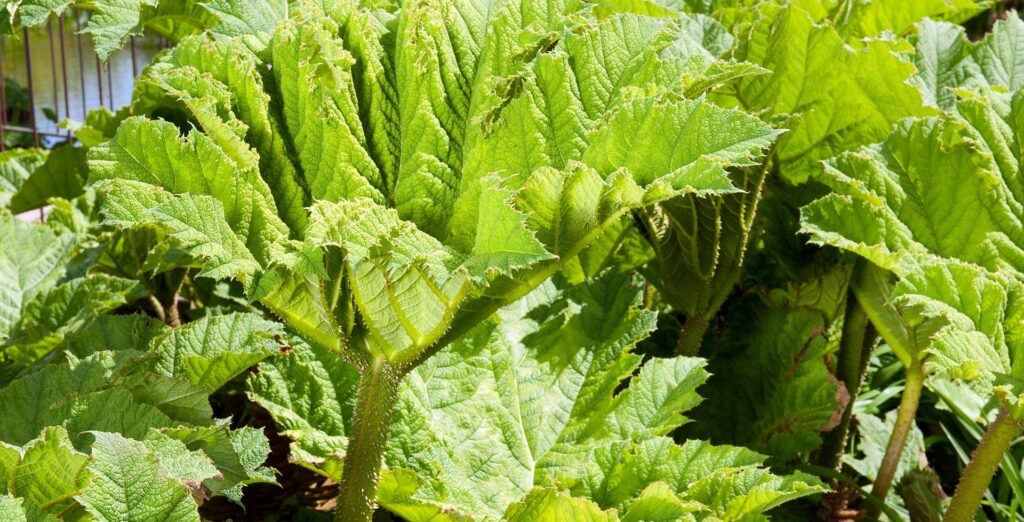
As we venture into the world of exotic plants, one species stands out for its sheer size and majesty – the Gunnera manicata, also known as the giant rhubarb or swamp stalker. Native to South America, specifically Colombia and Brazil, this perennial plant has adapted to thrive in humid environments near rivers and lakes, making it a fascinating addition to any garden.
Getting Acquainted with Gunnera manicata
This remarkable plant belongs to the Gunneraceae family and boasts gigantic palmate leaves that can reach an impressive 2 meters in height and 3 meters in length. The upper surface of these leaves is characterized by a rugged texture, while the lower surface features an extensive network of nerves covered in tiny spine-like structures. The stem that supports these massive leaves is robust and anchored deep within the soil. Gunnera manicata reproduces easily from seeds, producing new plants at the base of the mother plant.
Fascinating Facts
The gunnera manicata blooms around July and August, with small yellow-green flowers forming dense cones reminiscent of those found in cacti or heather. The female flowers are located towards the base of the cone, while the male flowers sit atop it, often near the center. This unique arrangement allows for efficient pollination.
The Art of Growing Gunnera manicata
With these fascinating characteristics in mind, let’s explore some practical tips for cultivating this magnificent plant:
Exposure and Environmental Requirements
Gunnera manicata can thrive in various light conditions, from full sun to partial shade. However, it’s sensitive to extreme cold temperatures and should not be grown outdoors in areas with harsh winters. To protect the base of the plant during these periods, cover it with a thick layer of mulch or straw.
Ideal Soil Conditions
Gunnera manicata thrives in well-draining soils rich in organic matter, silt, and sand. A slightly acidic to neutral pH (around 6-7) is ideal for optimal growth. Regularly supplement the soil with a balanced fertilizer every two months during the growing season.
Watering and Hydration
Gunnera manicata requires frequent and generous watering, particularly during hot summer months and periods of drought. Ensure the soil is consistently moist but not waterlogged to prevent root rot.
Propagation Techniques
This species can be propagated via seeds or division of rhizomes. Sowing seeds in spring using a mix of peat moss and sand yields promising results. Keep the soil consistently moist, but avoid overwatering, for optimal germination (typically taking 2-4 weeks). After two months, transfer the seedlings to individual pots and enjoy their majestic growth.
Division of rhizomes is another effective method, performed in late spring. Carefully separate the sections, making sure each new plant has at least one growing point. Place them in shaded containers with well-draining soil, ensuring they receive minimal light and air circulation to prevent rot.
Parasites and Diseases
Gunnera manicata may be susceptible to certain pests like slugs, snails, and insects such as aphids and aleurodids when grown outdoors. Regularly inspect your plant for signs of infestation and treat promptly using specific antiparassitic or acaricidal products.
Preventive treatments should also include fungicides specifically formulated against rameico, applied at the end of each winter season before new growth emerges.
Additional Insights
Interestingly, in New Zealand, Gunnera manicata is considered an invasive species, making it illegal to cultivate and distribute. Despite its imposing appearance, this plant is not directly related to rhubarb but shares a similar name due to historical associations with its discoverer, Johan Ernst Gunnerus.
Frequently Asked Questions
- What type of environment does the gunnera manicata prefer?
-
The gunnera manicata thrives in humid environments near bodies of water or on swampy grounds, but it can also grow well in partial shade areas with adequate humidity.
-
How often should I water my gunnera manicata?
-
Watering should be frequent and generous during hot months and periods of drought. The soil must stay consistently moist, yet not waterlogged.
-
Can the gunnera manicata be propagated via seeds or division?
-
Yes, both methods are effective for propagation: seeds can be sown in spring using a mix of peat moss and sand, while division of rhizomes is performed in late spring.
-
Are there any specific parasites that affect the gunnera manicata?
-
The plant may be susceptible to certain pests like slugs, snails, aphids, and aleurodids when grown outdoors.
-
How can I protect my gunnera manicata from extreme cold temperatures?
-
Covering the base of the plant with a thick layer of mulch or straw during winter months can help protect it from harsh conditions.
-
Can the gunnera manicata be grown indoors, and if so, under what conditions?
-
While Gunnera manicata prefers outdoor conditions, it can be grown indoors in shaded areas with consistent moisture levels. However, proper care and protection from extreme temperatures are necessary to ensure its well-being.
-
Is there a risk of invasion or overgrowth when growing the gunnera manicata outdoors?
- Yes, due to its invasive nature, cultivating this plant outside is discouraged in many regions, including New Zealand.
Understanding Gunnera manicata’s Unique Features
Gunnera manicata’s massive leaves are one of its most striking characteristics. These palmate leaves can weigh up to 25 kg and reach a width of over 1 meter, making them an impressive addition to any garden or landscape design. The unique texture and structure of these leaves provide excellent protection from insects and other small animals that might attempt to feed on the plant.
Practical Considerations for Gardening with Gunnera manicata
Growing gunnera manicata can be a rewarding experience, but it requires careful consideration of its specific needs. Here are some practical considerations for gardening with this impressive plant:
- Space and Layout: Due to its massive size, gunnera manicata requires ample space to grow. Ensure you have enough room in your garden or landscape design to accommodate the mature plant.
- Support and Staking: As the plant grows taller, it may need support to prevent it from toppling over. Use sturdy stakes or a trellis system to provide structure and stability.
- Watering and Mulching: Regular watering is essential for gunnera manicata’s growth and health. Ensure you have a reliable irrigation system in place to maintain consistent moisture levels.
- Pest Control and Fungal Diseases: Keep an eye out for pests like slugs, snails, aphids, and aleurodids, which can be controlled using antiparassitic or acaricidal products. Regularly inspect your plant for signs of fungal diseases, such as rameico, and treat promptly with fungicides.
Growing Gunnera manicata in Containers
If you’re interested in growing gunnera manicata in containers, here are some tips to consider:
- Choose a Large Container: Select a container that is at least 30 cm deep and 60 cm wide. This will provide enough room for the plant’s roots to grow.
- Use Well-Draining Soil: Fill the container with a well-draining potting mix specifically designed for tropical plants like gunnera manicata.
- Provide Adequate Light: Place the container in a shaded area or use a sheer curtain to filter direct sunlight. Gunnera manicata prefers partial shade, but it can tolerate full sun if necessary.
- Maintain Consistent Moisture Levels: Water the plant regularly, ensuring that the soil stays consistently moist. However, avoid overwatering, which can lead to root rot.
Growing Gunnera manicata Indoors
If you’re interested in growing gunnera manicata indoors, here are some tips to consider:
- Provide Shaded Conditions: Place the plant in a shaded area or use a sheer curtain to filter direct sunlight. Gunnera manicata prefers partial shade, but it can tolerate full sun if necessary.
- Maintain Consistent Moisture Levels: Water the plant regularly, ensuring that the soil stays consistently moist. However, avoid overwatering, which can lead to root rot.
- Monitor Temperature and Humidity: Gunnera manicata prefers temperatures between 15°C and 25°C (59°F-77°F). Maintain a humidity level of around 60% to ensure optimal growth.
Common Challenges and Solutions
Growing gunnera manicata can be challenging, but with the right care and attention, it can thrive in your garden or landscape design. Here are some common challenges and solutions:
- Pests and Diseases: Regularly inspect your plant for signs of pests or diseases. Use antiparassitic or acaricidal products to control infestations, and fungicides to treat fungal diseases.
- Root Rot: Avoid overwatering, which can lead to root rot. Monitor the soil moisture levels regularly and adjust your watering schedule accordingly.
- Leaf Damage: Protect the plant’s leaves from damage caused by strong winds or frost. Use a windbreak or anti-frost spray to prevent damage.
Conclusion
Growing gunnera manicata can be a rewarding experience, but it requires careful consideration of its specific needs. By following these tips and considerations, you can ensure that your gunnera manicata thrives in your garden or landscape design.


