
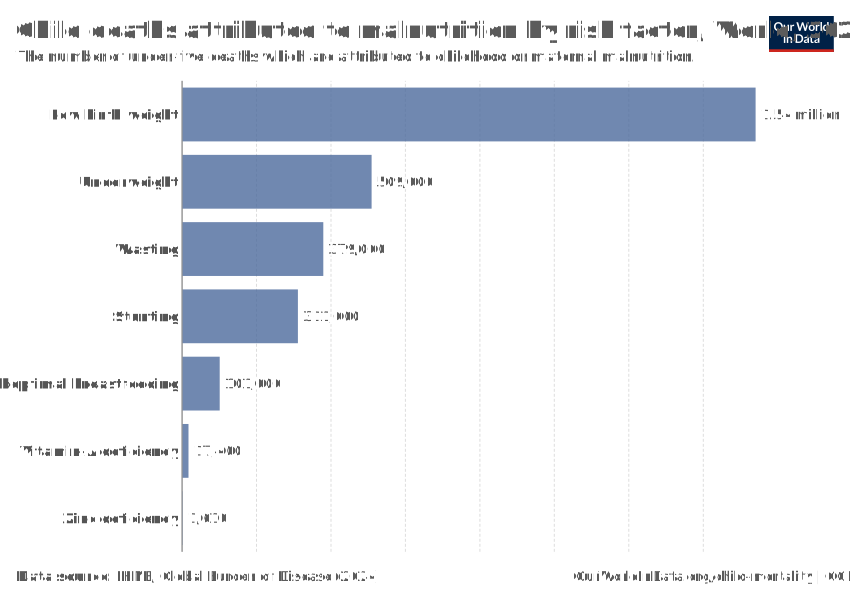
As the world grapples with the growing obesity epidemic in Western countries, millions of children in developing nations continue to suffer from hunger. The scourge of childhood malnutrition is a plague that afflicts 40% of infants under five years old in Asia and sub-Saharan Africa. While the consequences of malnutrition in the West are often diabetes, heart disease, and metabolic disorders, in the “South” it’s a devastating and irreversible outcome that claims the lives of three million children every year.
The Devastating Effects of Malnutrition
Children who suffer from malnutrition experience cognitive delays or immune system deficiencies. Rickets is one of the most obvious consequences of malnutrition in infants. During pregnancy, a woman’s body requires more nutrients to ensure the healthy development of the fetus. If these nutrients are lacking, it can result in permanent organ development issues and set the stage for a life of health problems before they’re even born.
Malnutrition also affects brain development and function. Research suggests that children who suffer from malnutrition have reduced cognitive abilities compared to their well-nourished counterparts. Additionally, malnutrition can lead to increased risk of infections, such as diarrhea and pneumonia, which are among the leading causes of death in infants under five years old globally.
A Global Health Crisis
The issue of childhood malnutrition is so critical that Expo 2015 centered around “Nutrire il Pianeta, energie per la vita” (Feeding the Planet, Energy for Life). Combating hunger worldwide means more than just addressing a health concern – it’s also about ensuring job opportunities, improving living standards, and fostering economic growth in remote communities. Effective aid must be targeted and supervised to avoid exacerbating existing disparities.
Malnutrition affects not only individuals but also entire societies. In developing countries, malnourished children are often unable to attend school, leading to a lack of educational opportunities for their families. Furthermore, the economic burden of malnutrition on communities can lead to increased healthcare costs, reduced productivity, and decreased economic growth.
Breaking the Cycle of Poverty
Malnutrition is not just a healthcare issue; it’s a complex problem that requires a multifaceted approach. Providing access to nutritious food, clean water, and quality medical care should be considered fundamental human rights, not privileges reserved for affluent Westerners. According to the United Nations, malnutrition costs Central American countries around 11% of their GDP.
In order to address childhood malnutrition effectively, it’s essential to break the cycle of poverty that perpetuates this issue. Poverty is a major driver of malnutrition, as those living below the poverty line often lack access to nutritious food and healthcare services. Implementing policies such as cash transfers, conditional cash transfers, and social protection programs can help alleviate poverty and improve nutritional outcomes.
The Challenge Ahead
As we work towards addressing this pressing global issue, it’s essential to recognize that every child deserves access to nutritious food and quality healthcare. By acknowledging the severity of childhood malnutrition and working together to combat it, we can ensure a brighter future for millions of children around the world.
One of the most significant challenges in addressing childhood malnutrition is the lack of resources available to many developing countries. Many countries face budget constraints that limit their ability to invest in healthcare systems and social protection programs.
Solutions and Interventions
Several solutions and interventions can help address childhood malnutrition, including:
- Cash Transfers: Cash transfers are a cost-effective way to provide financial assistance to vulnerable families. Studies have shown that cash transfers can lead to improved nutrition outcomes and increased food security.
- Conditional Cash Transfers: Conditional cash transfers require recipients to meet specific health and education-related conditions in order to receive financial assistance. These programs have been shown to be effective in improving nutritional outcomes and increasing access to healthcare services.
- Social Protection Programs: Social protection programs provide a safety net for vulnerable families, helping them to access basic necessities such as food and healthcare services. These programs can help alleviate poverty and improve nutritional outcomes.
- Agricultural Interventions: Agricultural interventions, such as irrigation systems and agricultural extension services, can help farmers increase their crop yields and access to markets. This can lead to improved nutrition outcomes and increased economic growth.
Frequently Asked Questions
- How many children die every year due to malnutrition?
Three million children die each year due to malnutrition. - What are the consequences of childhood malnutrition?
Childhood malnutrition can lead to cognitive delays, immune system deficiencies, and irreversible health problems like rickets. - Why is addressing malnutrition so crucial?
Addressing malnutrition requires a comprehensive approach that addresses poverty, job opportunities, economic growth, and access to quality healthcare. - What percentage of infants under five years old suffer from childhood malnutrition in Asia and sub-Saharan Africa?
40% of infants under five years old in these regions are affected by childhood malnutrition. - How much does malnutrition cost Central American countries per year?
Malnutrition costs Central American countries around 11% of their GDP annually. - What is the European Commission’s goal for reducing childhood malnutrition?
The European Commission aims to reduce the number of children suffering from malnutrition by 10% within the next decade, aiming for a reduction to 7 million cases by 2025. - Why is it essential to provide access to nutritious food and quality healthcare?
Access to nutritious food and quality healthcare should be considered fundamental human rights, not privileges reserved for affluent Westerners. - What can individuals do to contribute to addressing childhood malnutrition?
By spreading awareness about this critical issue, supporting organizations working towards a solution, and advocating for policy changes that prioritize access to healthy food and quality healthcare, individuals can make a significant impact in the fight against childhood malnutrition.
Conclusion
Childhood malnutrition is a pressing global health crisis that demands immediate attention. By understanding its devastating effects and working together to address it, we can create a brighter future for millions of children around the world. The time to act is now – let’s join forces to ensure every child has access to nutritious food, quality healthcare, and the opportunity to thrive.
In conclusion, childhood malnutrition is a complex problem that requires a multifaceted approach. By breaking the cycle of poverty, providing access to nutritious food and quality healthcare, and advocating for policy changes, we can create a more equitable and just world where every child has access to the resources they need to thrive.


