
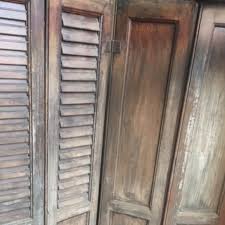
Restoring wood shutters can be a rewarding DIY project that requires minimal effort and economic investment. In this article, we will explore the benefits of restoring wood shutters, understand the problems that can affect them, and provide a step-by-step guide on how to restore rotten wooden shutters.
Why Restore Wood Shutters?
Wood shutters have been a staple of traditional architecture for centuries. Not only do they add a touch of elegance and sophistication to any room, but they also provide an additional layer of protection against harsh weather conditions such as hail, sun, and rain. However, over time, wood shutters can deteriorate due to exposure to the elements, leading to costly repairs or even replacement.
The Benefits of Restoring Wood Shutters
Before we dive into the restoration process, let’s explore some benefits of restoring wood shutters:
- Tax Benefits: According to the stability law, any renovation or replacement of building elements can enjoy tax benefits ranging from 50% to 65%.
- Energy Efficiency: Restored wood shutters can help reduce heat loss in the winter and heat gain in the summer, leading to energy savings.
- Aesthetic Appeal: Restored wood shutters can add a touch of classic charm and sophistication to any room.
Understanding the Problems with Wood Shutters
Wood shutters can deteriorate quickly due to exposure to various elements such as:
- UV Rays: Direct sunlight can cause paint to lift, leading to creeps and cracks in the wood.
- Heat and Cold: Temperature fluctuations can cause warping and cracking of the wood.
- Hail and Rain: Inclement weather can damage the wood, leading to rot and decay.
Materials Needed for Restoration
Before starting the restoration process, you’ll need the following materials:
- Antirust
- Paint
- Acrylic water-based paint
- Sandpaper with different grits (120 and 80)
- Oil ampoule
- Wood filler for wood
- Spatula
- Rags
- Compressed air gun or compressed air canister
- Paintbrushes of various sizes
- Scalpel
- Gloves and protective masks
Step-by-Step Restoration Process
To restore rotten wooden shutters, follow these steps:
Scraping
- Remove the paint that has already peeled off from the wood using an axe.
- Be careful not to damage the underlying wood.
Sanding
- Use sandpaper of 80 grit to smooth out the entire surface of the shutter, including metal parts.
- Sand superficially, only removing old paint and obtaining a smooth surface.
Cleaning
- Use a compressed air gun (or a piston canister) to blow away all remaining dust and paint residue.
- Compressed air is very useful for cleaning already sanded wood shutters.
- To achieve optimal cleanliness, wipe the shutter with a damp cloth.
- Let it dry.
Filling
- If there are large creeps, apply wood filler until you obtain an even surface.
- Use a spatula to spread the filler evenly in the crep.
- Little tip: Apply a bit of filler excess and then, after 4-6 hours of application, sand the surface with fine-grit sandpaper (120) to remove the top layer of filler and achieve a better result.
Antirust
- Repeat the cleaning process for metal parts.
- For faster action, use an antirust with rapid application.
Painting
- First coat of paint: Take a brush with the right size. Avoid using old brushes because they tend to lose their bristles and make it difficult to restore wood shutters. Apply the first coat of paint following the direction of the wood grain. Paint also on edges.
- Second coat of paint: Wait 24 hours, sand with fine-grit sandpaper (120). Remove dust, again using compressed air and clean the surface with a damp cloth (cleaned) impregnated in water rag. Only then can you proceed with the second coat of paint.
Lubricating Hinges
- Wait another 24 hours for the paint to dry completely.
- Lubricate well hinges and reattach wooden shutters to windows.
Tips and Tricks
- Always work in a well-ventilated area when using chemicals or solvents.
- Wear protective gloves and masks to avoid exposure to hazardous materials.
- Use compressed air gun or canister for optimal cleaning results.
- Apply wood filler excess and sand the surface after 4-6 hours of application.
Conclusion
Restoring wooden shutters is a rewarding DIY project that requires minimal effort and economic investment. By following these steps, you’ll be able to recover rotten wood shutters damaged by sun, hail, and signs of time. With proper maintenance, restored wood shutters can last for decades, providing energy efficiency, aesthetic appeal, and tax benefits.
Frequently Asked Questions (FAQs)
Q: Can I restore wooden shutters myself?
A: Yes, restoring wooden shutters is a DIY-friendly project that requires minimal expertise.
Q: What are the most common problems with wood shutters?
A: Wood shutters can deteriorate due to exposure to UV rays, heat and cold, hail and rain.
Q: Can I use any type of paint for restoration?
A: No, acrylic water-based paint is recommended for restoration as it provides a durable and long-lasting finish.
Q: How often should I perform maintenance on wood shutters?
A: Every 4-5 years, depending on exposure to the elements.
Q: Can I restore wooden shutters without sanding?
A: No, sanding is essential for removing old paint and achieving a smooth surface before applying new paint or filler.
Q: Are there any special tools required for restoration?
A: Compressed air gun or canister is very useful for cleaning already sanded wood shutters. Paintbrushes of various sizes are also recommended.
Q: Can I restore wooden shutters with rot and decay?
A: Yes, but the process may be more challenging due to the extent of the damage. It’s essential to prioritize structural integrity and safety.
Q: Are there any tax benefits for restoring wood shutters?
A: Yes, according to the stability law, any renovation or replacement of building elements can enjoy tax benefits ranging from 50% to 65%.
Q: Can I restore wooden shutters with intricate designs or carvings?
A: Yes, but it’s essential to exercise extra caution and use specialized tools to avoid damaging the delicate features.


