
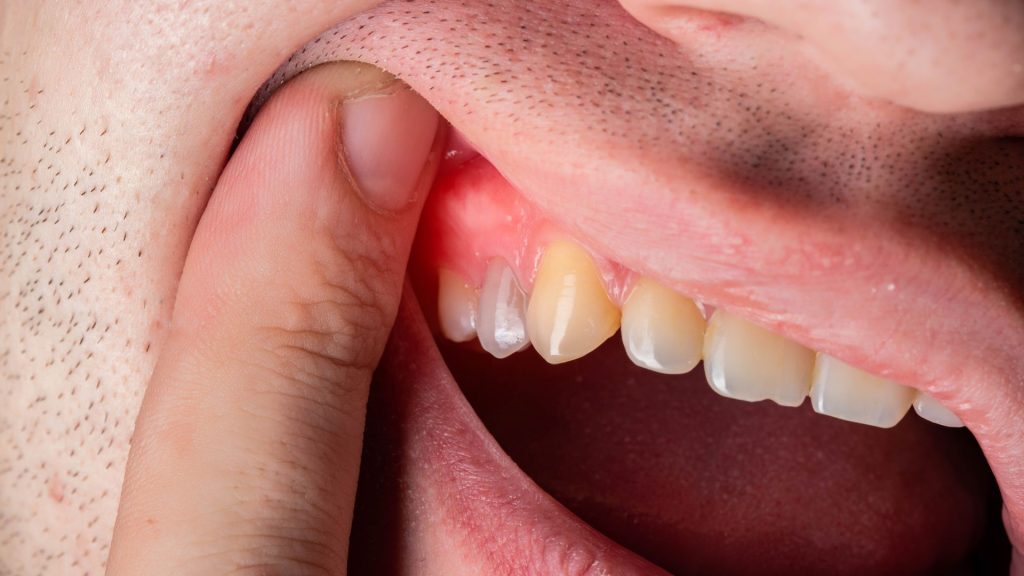
Gingivitis is a common oral health issue that affects millions of people worldwide. It is characterized by inflamed gums, redness, and bleeding. Poor oral hygiene habits are the primary culprits behind gingivitis, as they lead to the accumulation of tartar on teeth, which can cause inflammation and damage to the gums.
Understanding Gingivitis and Its Causes
Gingivitis is a mild form of gum disease that can be reversed with proper treatment. However, if left untreated, it can progress to periodontitis, a more severe form of gum disease that can lead to tooth loss and other systemic health issues. Poor oral hygiene habits, such as infrequent brushing and flossing, can contribute to the development of gingivitis.
The Importance of Natural Remedies
Fortunately, nature offers a wide range of natural remedies that can help combat gingivitis without the need for harsh chemicals. These remedies are not only effective but also gentle on the mouth and gums, making them an excellent alternative to conventional treatments. By incorporating these natural remedies into your daily routine, you can promote overall oral health and reduce symptoms of gingivitis.
Warm Water with Salt: A Simple yet Effective Solution
One of the simplest and most effective natural remedies for inflamed gums is warm water with salt. This remedy has anti-inflammatory and antibacterial properties that can help reduce pain and inflammation in the affected area. Warm water helps to dilate blood vessels, which can increase blood flow to the gums and promote healing.
How to Use Warm Water with Salt
To use warm water with salt, mix 5 grams of salt with 100 ml of warm water in a clean glass. Then, use the solution for oral rinses, keeping it in your mouth for at least 30 seconds before spitting it out. Repeat this process twice a day, morning and evening.
Baking Soda with Ozone Water: A Powerful Combination
Another natural remedy that is gaining popularity is baking soda combined with ozone water. Both of these ingredients have antiseptic and antimicrobial properties that can help regulate bacterial proliferation and reduce symptoms of gingivitis. Baking soda helps to neutralize acid in the mouth, while ozone water has antibacterial properties that can kill harmful bacteria.
How to Use Baking Soda with Ozone Water
To use baking soda with ozone water, mix 5 grams of baking soda with 6 drops of ozone water. Then, apply the paste as a toothpaste by making circular movements while brushing your teeth. Alternatively, you can dilute the ozone water in some warm water and use it as a mouthwash. Repeat this process twice a day, morning and evening.
Apple Cider Vinegar: A Natural Antiseptic
Apple cider vinegar is another natural remedy that has antibacterial, antiviral, and antimicrobial properties. These properties make it an excellent solution for reducing inflammation in gums and bad breath. Apple cider vinegar can help reduce the pH level of the mouth, creating an environment that is less conducive to bacterial growth.
How to Use Apple Cider Vinegar
To use apple cider vinegar, mix 10 ml of apple cider vinegar with 100 ml of warm water. Then, add the mixture to your mouth after brushing your teeth as usual. Repeat this process every day, morning and evening.
Lemon Juice: A Natural Antiseptic
Lemon juice is another natural remedy that has antibacterial properties. Its acidic compounds can eliminate harmful bacteria and reduce inflammation caused by infection. Lemon juice can help reduce the production of plaque, a sticky film that forms on teeth and contributes to gingivitis.
How to Use Lemon Juice
To use lemon juice, mix half a lemon’s juice with 120 ml of warm water. Then, add the mixture to your mouth for 20 seconds before spitting it out. Repeat this process three times a week.
Cranberry Juice: A Natural Antibacterial
Cranberry juice is rich in antioxidants that can help strengthen the immune system and prevent infections. Consuming cranberry juice regularly can also reduce gum inflammation and eliminate bacteria and bleeding. Cranberry juice has been shown to have antibacterial properties that can help combat gingivitis.
How to Use Cranberry Juice
To use cranberry juice, blend 100 grams of fresh cranberries with 500 ml of water. Then, add 25 grams of honey to sweeten it. Drink 2 or 3 glasses a day to reap the benefits of cranberry juice.
Tyme: A Natural Anti-Inflammatory
Tyme is an excellent anti-inflammatory that can help calm pain caused by gum infection. Its use as a mouthwash can prevent bacterial growth and the development of problems like gingivitis and periodontal diseases. Tyme has been used for centuries to treat various oral health issues, including gum disease.
How to Use Tyme
To use tyme, bring 120 ml of water to a boil. Then, add 20 grams of timo and reduce heat. Let it simmer for 2 minutes before turning off the heat and letting it rest. Filter the solution and perform oral rinses for 20 or 30 seconds before spitting it out. Repeat this process three times a day.
Tiglio: A Natural Calming Drink
Tiglio is another natural remedy that has calming properties, which can help reduce inflammation and pain caused by oral problems. Tiglio has been used in traditional medicine to treat various health issues, including gum disease.
How to Use Tiglio
To use tyme, add 10 grams of timo to boiling water and let it rest for 10 minutes. Then, filter the prepared liquid and use it as a mouthwash three times a day.
Conclusion
In conclusion, there are many natural remedies that can help combat gingivitis without the need for harsh chemicals. From warm water with salt to cranberry juice, each remedy has its own unique benefits and properties. By incorporating these remedies into your daily routine, you can reduce symptoms of gingivitis and promote overall oral health.
Frequently Asked Questions
- Q: How often should I use the natural remedies for inflamed gums?
A: You should use the natural remedies at least twice a day, morning and evening, to see noticeable results. - Q: Can I substitute baking soda with other ingredients?
A: No, it is recommended to use baking soda specifically as it has antiseptic and antimicrobial properties that can help regulate bacterial proliferation. - Q: How long does it take to see results from using cranberry juice?
A: It may take a few days to a week to notice the effects of consuming cranberry juice regularly. - Q: Can I use these remedies if I have sensitive teeth or gums?
A: Yes, but start with small amounts and gradually increase as needed. - Q: Are there any side effects associated with using these remedies?
A: Generally, no, but some people may experience mild discomfort or allergic reactions. - Q: Can I use these remedies in conjunction with conventional treatments?
A: Yes, it is recommended to consult with your dentist before combining natural remedies with conventional treatments. - Q: How long do the benefits of using these remedies last?
A: The benefits can last for several weeks or months, depending on how regularly you use the remedies and maintain good oral hygiene habits. - Q: Can I use these remedies to treat gum disease?
A: While these remedies can help reduce symptoms, it is recommended to consult with your dentist for proper diagnosis and treatment of gum disease.
Additional Tips
- Maintain a healthy diet rich in fruits, vegetables, and whole grains to support oral health.
- Avoid sugary drinks and foods that are high in sugar content.
- Brush your teeth at least twice a day with fluoride toothpaste and clean between your teeth once a day with floss or an interdental cleaner.
- Visit your dentist regularly for check-ups and cleanings to prevent oral health issues.
- Practice good oral hygiene habits, such as rinsing your mouth with water after meals and avoiding tobacco products.
By incorporating these natural remedies into your daily routine and maintaining good oral hygiene habits, you can promote overall oral health and reduce symptoms of gingivitis.


