
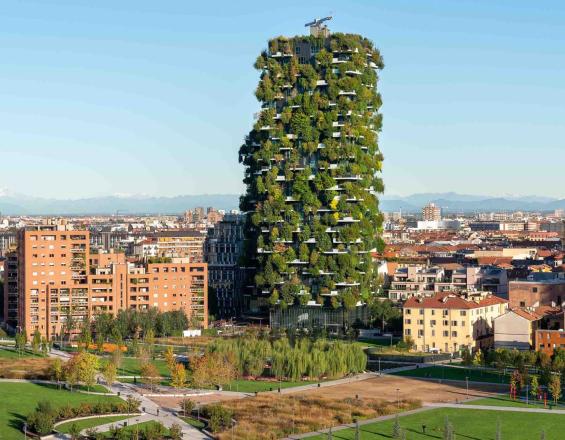
As the world grapples with climate change and environmental degradation, innovative solutions like RhOME for denCity are gaining momentum. Developed by the University of RomeTre’s team, this pioneering project was selected as one of the top 20 finalists in the Solar Decathlon 2014, an international competition that brings together the best minds to create sustainable architecture.
What is the Solar Decathlon?
The Solar Decathlon is an international competition that challenges teams from around the world to design and build innovative, solar-powered homes. The event was conceived by the US Department of Energy’s Building Technologies Office and has been held biennially since 2001. The latest edition will take place in Versailles, France, in June 2014, where 20 teams will compete to showcase their unique approaches to sustainable architecture.
The Solar Decathlon aims to inspire a new generation of architects, engineers, and designers to create homes that are not only environmentally friendly but also aesthetically pleasing and functional. The competition encourages innovative thinking and problem-solving, pushing the boundaries of what is possible in sustainable building design.
The RhOME for denCity Project
RhOME for denCity is a groundbreaking Italian project that aims to redefine the future of sustainable living. This innovative home was designed and built by a team from the University of RomeTre, with the goal of creating a self-sufficient, eco-friendly dwelling that not only produces its own energy but also minimizes its carbon footprint.
RhOME for denCity is more than just a house; it’s an experiment in sustainable living. The project’s architects aimed to create a home that would not only be environmentally friendly but also functional and comfortable for the inhabitants. The result is a beautiful, modern home that showcases cutting-edge technologies and innovative materials.
The 13 Criteria for Evaluation
During the competition, each participating project will be evaluated based on 13 key criteria:
- Architecture: The design and layout of the home.
- Engineering: The technical feasibility and innovative aspects of the project.
- Construction: The materials used, construction methods, and waste management strategies.
- Efficiency: The energy efficiency and thermal performance of the building.
- Energy Balance: The net positive energy balance of the home.
- Comfort: The indoor climate comfort level and livability.
- Functionality: The usability, accessibility, and user-friendliness of the space.
- Communication: The way in which information about the project is disseminated.
- Urban Planning: The integration of the project with its surroundings and urban context.
- Transportation: The feasibility and desirability of using alternative modes of transportation.
- Convenience and Affordability: The cost-effectiveness and convenience of owning a sustainable home.
- Innovation: The introduction of new, innovative materials, systems, or technologies.
- Sustainability: The overall environmental impact and sustainability of the project.
These criteria provide a comprehensive framework for evaluating the performance and sustainability of each participating project. By considering multiple aspects of sustainability, the competition aims to encourage teams to think holistically about their design choices and prioritize environmentally friendly practices.
A Home That Produces More Energy Than It Consumes
RhOME for denCity boasts impressive energy efficiency credentials, producing more than it consumes and achieving performance levels that are up to 8 times higher than those of a class C home. This is made possible by an innovative heat pump system developed by Daikin Italia, which optimizes heating and cooling functions.
The heat pump system works by utilizing the outdoor temperature to provide both heating and cooling, reducing the need for fossil fuels and minimizing energy consumption. This technology not only reduces greenhouse gas emissions but also improves indoor air quality and increases the overall comfort level of the home.
Key Features of the Project
Several aspects of RhOME for denCity stand out:
- Flexible Solar Panels: Pannelli solari fotovoltaici flessibili integrati negli schermi ombreggianti delle logge, designed by Solbian. These solar panels can be reconfigured to optimize energy production and adapt to changing sunlight patterns.
- Reconfigurable Kitchen: A kitchen designed by Valcucine that can be reconfigured to 80% of its original size and fully recycled at 100%. This feature showcases the potential for sustainable materials and design in everyday life.
- Zero-Waste Construction: The use of sustainable materials and construction methods that minimize waste. RhOME for denCity demonstrates how architects and builders can work together to create homes that are not only environmentally friendly but also aesthetically pleasing.
A New Paradigm for Sustainable Living
RhOME for denCity represents a significant leap forward in sustainable living, offering a new paradigm for designing, building, and inhabiting homes. By showcasing innovative technologies, materials, and systems, this project demonstrates the potential for green architecture to transform our daily lives and create a more environmentally conscious future.
The success of RhOME for denCity encourages other architects, designers, and builders to adopt sustainable design principles in their work. As we move towards a more sustainable future, projects like RhOME for denCity play a vital role in inspiring change and promoting environmentally friendly practices.
Conclusion
As we continue on the path towards a more sustainable future, it’s essential that we prioritize innovative solutions like RhOME for denCity. By embracing cutting-edge technologies and design principles, we can create homes that are not only environmentally friendly but also functional, comfortable, and aesthetically pleasing.
Join us in celebrating the potential of green architecture and sustainable living. Together, we can build a better future for generations to come.
FAQs
- What is the Solar Decathlon, and how does it work?
The Solar Decathlon is an international competition that brings together teams to design and build innovative, solar-powered homes. - What is RhOME for denCity, and what makes it special?
RhOME for denCity is a sustainable home project developed by the University of RomeTre’s team, showcasing innovative technologies and materials. - How does the project evaluate sustainability?
The project evaluates sustainability based on 13 key criteria, including energy efficiency, environmental impact, and user-friendliness. - What are some of the benefits of living in a sustainable home like RhOME for denCity?
Living in a sustainable home like RhOME for denCity can reduce your carbon footprint, save energy, and promote overall well-being. - How can individuals get involved in promoting sustainable architecture?
Individuals can participate by supporting innovative projects like RhOME for denCity, spreading awareness about the importance of sustainability, and advocating for policies that support green building practices.
Case Study: The Solar Decathlon
The Solar Decathlon is an international competition that challenges teams from around the world to design and build innovative, solar-powered homes. The event was conceived by the US Department of Energy’s Building Technologies Office and has been held biennially since 2001.
2014 Edition: Versailles, France
The latest edition of the Solar Decathlon took place in Versailles, France, in June 2014. Twenty teams from around the world participated in the competition, showcasing their unique approaches to sustainable architecture.
Team Winners: Netherlands and Spain
The team winners of the 2014 Solar Decathlon were from the Netherlands and Spain. Their innovative home, dubbed “Sola,” was praised for its stunning design and exceptional energy efficiency.
Key Takeaways
The 2014 Solar Decathlon provided valuable insights into sustainable architecture and green building practices. Key takeaways include:
- Innovative materials: The competition highlighted the use of innovative materials in sustainable construction, such as recycled plastics and low-carbon cement.
- Energy-efficient systems: Teams were encouraged to develop energy-efficient systems that minimize energy consumption while maximizing performance.
- Aesthetic design: Sustainable architecture should not only be environmentally friendly but also aesthetically pleasing. The competition showcased stunning designs that blend functionality with beauty.
Future Directions
As we move towards a more sustainable future, the Solar Decathlon will continue to inspire innovation and push the boundaries of sustainable architecture. Future directions include:
- Increased focus on urban planning: The competition should prioritize urban planning and integration, as sustainable homes can have a significant impact on local communities.
- Greater emphasis on accessibility: Sustainable architecture should be accessible to all, regardless of age or ability. The competition should encourage teams to design homes that are not only environmentally friendly but also inclusive.
- Integration with renewable energy sources: As the world shifts towards renewable energy sources, sustainable architecture should prioritize integration with these technologies.
By embracing innovative solutions like RhOME for denCity and pushing the boundaries of sustainable architecture, we can create a brighter future for generations to come.


