
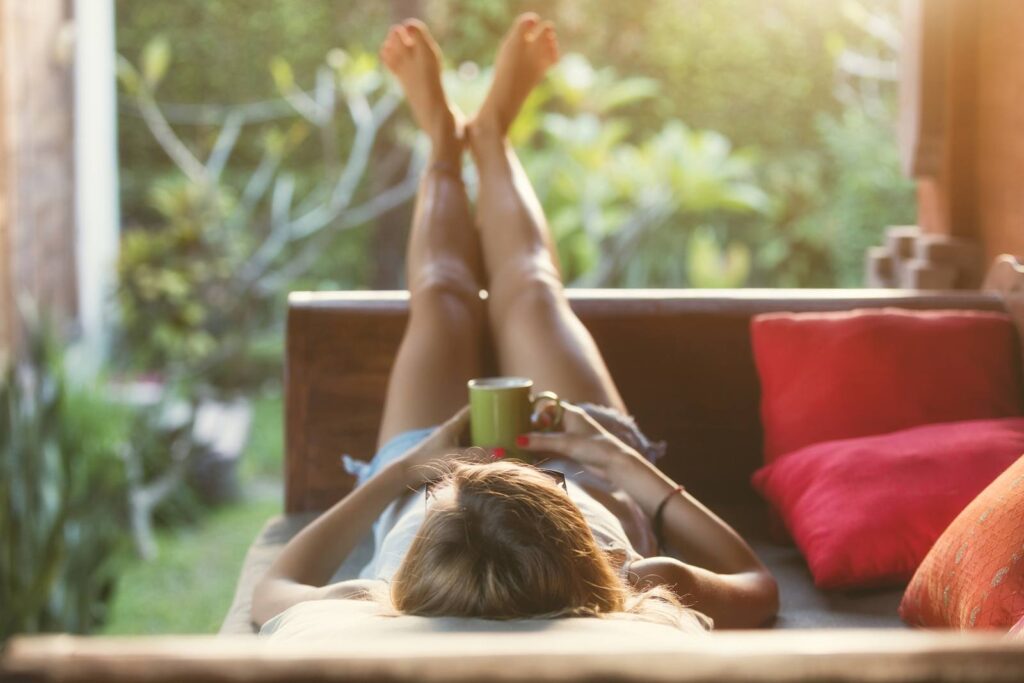
Are you sure you can truly disconnect from work and responsibilities over the weekend? Learning to relax on weekends is not just about finding new activities, but also about how you approach them with a clear mind and body. It’s like walking at a normal pace – nobody expects us to sprint all day, every day.
What Does it Mean to Relax on Weekends?
When our workweek is intense, we often keep up that same pace on the weekends, forgetting to slow down and disengage from work mode. We might not even notice: it’s like being used to running quickly – we’d probably go about our daily lives at a normal speed if nobody told us otherwise.
Before learning how to relax on weekends, let’s clarify what relaxation means for us. We know everyone loves doing things over the weekend – going out with friends, exploring new places, or even just spending time with family. But when are we really relaxing? Do we truly feel our minds and bodies unwind?
How to Relax on Weekends
Our goal is to dedicate these hours (or even less) to finding deep relaxation, getting into harmony between our body and mind. To begin, let’s silence that pesky phone. Turn it off or put it on silent mode – you’re in control here. We know some people love their phones, but we can choose how we use them.
Studies show that 67% of smartphone owners check their devices impulsively, even without notifications. Some people keep their phones right next to their bed, just in case they get a message or a call. In the weekend, it’s time to be more mindful and analog – prioritize live events and activities with real human interaction.
At first, this might seem counterintuitive, but we’ll love not having our phones buzzing all day long. Then we can see how much free time we have left over.
How to Fill Your Time
Everyone has their own preferences and hobbies. Some ideas include modellismo (model building), climbing, or even crosswords – anything that makes you present and happy. Trying new activities is also great for relaxation, as it keeps your mind engaged and focused on the moment.
If you’re looking for suggestions, workshops and events are fantastic ways to expand your horizons without feeling overwhelmed. Just remember, there’s no need to become a pro or a champion – just enjoy the experience!
Some weekend activities can even help with physical relaxation after weeks of stress. For example, training autogeno (a form of self-hypnosis) is excellent for unwinding and setting up two relaxing days. It also helps people who suffer from migraines caused by excessive stress.
Meditation has always been known to reduce anxiety levels and enhance the quality of life. And if you’re not into meditation, yoga can help you find your inner peace. Take a class or workshop to learn basic techniques.
On the other hand, some people prefer more energetic activities like swimming, running, biking, or dancing – anything that gives them energy and joy. The key is finding what works for you and making it part of your relaxation routine.
Walking and Nature
Taking at least 30 minutes of good walking in nature can be incredibly relaxing and beneficial for both body and mind. It’s not just about getting some exercise; it’s also a chance to unwind, breathe fresh air, and clear your thoughts. Even if you’re doing it solo or with friends, this is an essential part of relaxation.
The Importance of Spending Time in Nature
Spending time in nature has numerous benefits for our mental health and well-being. Being surrounded by trees, flowers, birds, and other living creatures can calm our minds and help us feel more grounded. Studies have shown that being in nature can reduce symptoms of depression, anxiety, and stress.
Reading and Relaxation
If reading is one of your favorite weekend activities, then the weekend is the perfect time to indulge in it – without distractions like trains or subways, just sit back, relax, and enjoy the book. Pair that with a warm cup of tea, a furry friend on your lap, or a glass of wine for a truly relaxing experience.
Getting Cozy
Creating a cozy atmosphere can also help you unwind. This means lighting some candles, playing soothing music, and setting up a comfortable reading nook. Even if it’s just a small space in your home, make it inviting and peaceful – it’ll be the perfect spot to relax and recharge.
Tappetino Svedese: A Simple Relaxation Tool
The tappetino svedese (also known as Swedish massage cushion) is an amazing tool for relaxation. It’s simple yet effective, consisting of a layer of rubber with raised points that stimulate blood flow and promote relaxation when used correctly. Use it on your back or shoulders to unwind.
There are many reviews available online from satisfied customers who have experienced its benefits firsthand. Plus, it’s been recognized by the Ministry of Health as a Class I device, making it tax-deductible. You can even find it on Amazon!
The Benefits of Tappetino Svedese
The tappetino svedese has numerous benefits for our mental and physical health. By using this tool regularly, you can reduce stress and anxiety levels, improve your sleep quality, and even alleviate symptoms of chronic pain.
In addition to its many benefits, the tappetino svedese is also easy to use and requires no special training or expertise. Simply place it on your back or shoulders and let the gentle pressure work its magic – you’ll be relaxed in no time!
Conclusion
Relaxing over the weekend is not just about doing things; it’s also about how you approach them. By understanding what relaxation means for us and taking steps to prioritize our well-being, we can truly unwind and recharge.
In this article, we’ve explored various activities that can help you relax on weekends – from meditation and yoga to walking in nature and reading a book with a warm cup of tea by your side. Remember, it’s all about finding what works for you and making relaxation a regular part of your life.
Frequently Asked Questions (FAQs)
Q: What is the most effective way to relax on weekends?
A: Relaxation is subjective, but common practices include meditation, yoga, reading, walking in nature, and spending time with loved ones.
Q: How can I stop checking my phone all day long during the weekend?
A: Try turning off your phone or putting it on silent mode. Find alternative ways to stay connected with friends and family that don’t involve constant notifications.
Q: What are some simple relaxation techniques I can try at home?
A: Autogenic training, deep breathing exercises, progressive muscle relaxation, and guided meditation are all great options for those looking to unwind.
Q: Can tappetino svedese really help me relax?
A: Yes, it has been recognized as a Class I device by the Ministry of Health and is used to relieve stress and promote relaxation. Simply place it on your back or shoulders and enjoy its benefits!
Q: How can I make time for activities that bring me joy and relaxation?
A: Prioritize what you love doing in your free time, whether it’s reading, walking, swimming, or simply spending time with friends.
Q: What if I’m not feeling relaxed after trying some of these techniques – what should I do next?
A: Don’t worry! It might take a little experimentation to find what works best for you. Try different activities and relaxation methods until you feel like yourself again.
Q: Can tappetino svedese be used by anyone, regardless of age or health status?
A: Yes, it is suitable for all ages and can be safely used by individuals with most health conditions, under the guidance of a healthcare professional if necessary.


