
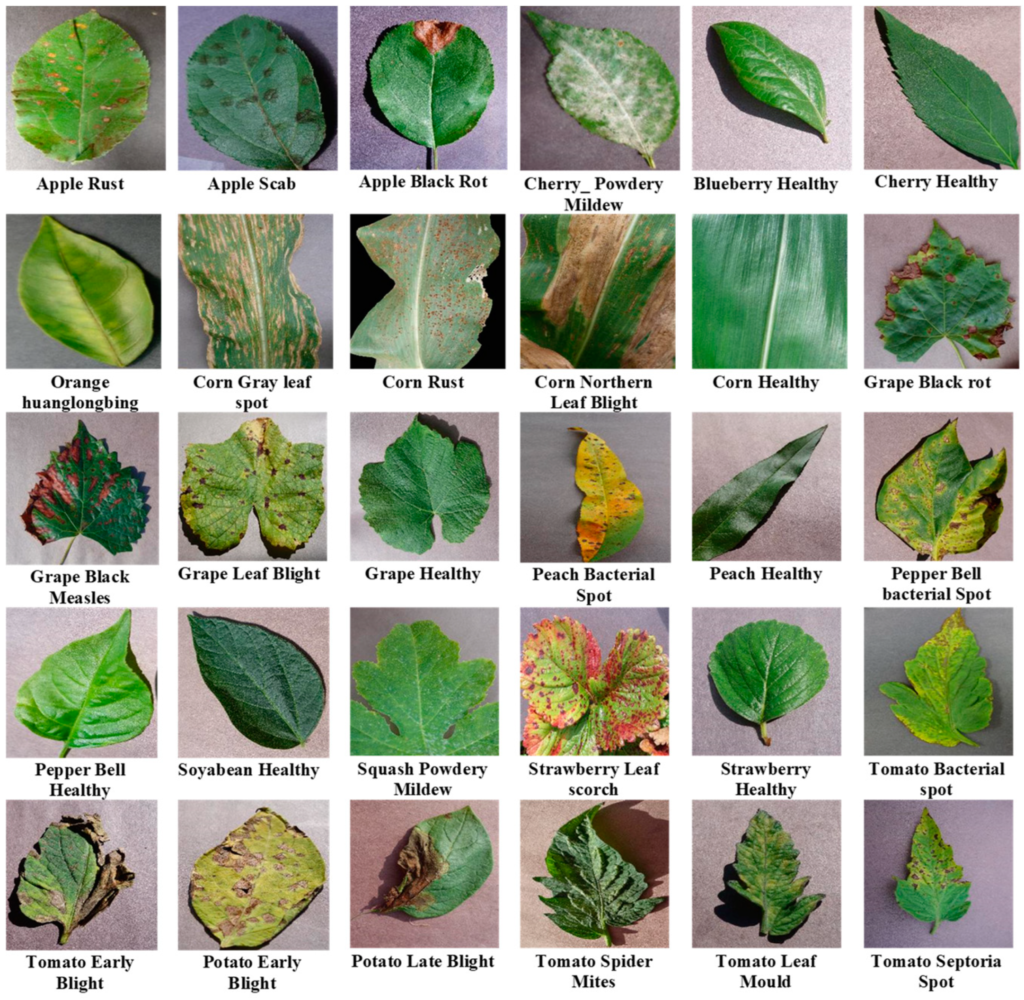
As a gardener, it’s natural to feel a sense of pride and ownership when tending to your outdoor space. However, if not properly cared for, your garden can become a target for pests and diseases that can cause irreparable damage. In this article, we’ll explore some common plant diseases, their symptoms, and most importantly, how to identify and treat them.
The Dangers of Fungal Infections
One of the most common types of fungal infections is the “mal bianco” or white disease. This condition causes a white powdery substance to form on leaves, making them appear discolored and fragile. The fungus thrives in humid environments with temperatures between 20-25°C (68-77°F) and can infect both leaves and flowers, leading to rapid defoliation and even plant death.
Recognizing the White Disease
If you notice white powdery patches on your leaves, it may be a sign of the white disease. To confirm, look for the following characteristics:
- A white or yellowish-gray powder covering the leaf surface
- Leaf discoloration, often with a pale green or grayish tint
- Premature defoliation and plant death if left untreated
Treating the White Disease
To combat the white disease, you’ll need to act quickly. Here are some steps to take:
- Prepare an equiseto decoction: Mix equiseto with water according to the manufacturer’s instructions.
- Apply the solution: Spray the mixture on affected leaves, making sure to cover all surfaces evenly.
- Repeat as necessary: If the disease is severe, you may need to repeat the treatment process several times.
Other Common Plant Diseases
In addition to fungal infections like the white disease, there are other common plant diseases that can affect your garden. Some examples include:
- Botrite or Muffa Grigia: A type of fungus that causes a grayish-brown powder to form on leaves and stems, leading to premature defoliation.
- Leaf Spot Diseases: Small, circular spots on leaves caused by fungal infections like Cercospora and Phytophthora.
Treating Leaf Spot Diseases
To treat leaf spot diseases, follow these steps:
- Remove affected leaves: Prune infected leaves to prevent the spread of disease.
- Improve air circulation: Ensure good airflow around your plants by providing adequate space and removing any debris or obstructions.
- Apply fungicides: Use a fungicide specifically designed for leaf spot diseases, following the manufacturer’s instructions.
Preventing Plant Diseases
While it’s impossible to completely eliminate plant diseases, there are steps you can take to prevent their spread:
- Maintain good hygiene: Regularly clean and disinfect your gardening tools and equipment.
- Provide optimal growing conditions: Ensure your plants receive enough light, water, and nutrients.
- Monitor your garden regularly: Keep a close eye on your plants for signs of disease or pests.
Common Plant Diseases in Different Regions
Different regions have different types of plant diseases that can affect your garden. Here are some common examples:
- In temperate climates: Botrite or Muffa Grigia, Leaf Spot Diseases
- In tropical climates: Mal bianco, Cercospora
- In Mediterranean climates: Phytophthora
How to Identify Plant Diseases in Different Stages
Plant diseases can be identified at different stages of their development. Here are some common examples:
- Initial stages: Look for signs of stress, such as yellowing leaves or wilting.
- Advanced stages: Check for discoloration, lesions, and other symptoms specific to the disease.
How to Treat Plant Diseases in Different Stages
Plant diseases can be treated at different stages of their development. Here are some common examples:
- Initial stages: Apply fungicides specifically designed for the type of plant disease.
- Advanced stages: Use a combination of fungicides and physical removal of infected tissues.
Conclusion
Plant diseases can be a major threat to your garden’s health and productivity. By recognizing the symptoms and taking prompt action, you can save your plants from devastating infections. Remember to maintain good hygiene, provide optimal growing conditions, and monitor your garden regularly to prevent the spread of disease.
Frequently Asked Questions (FAQs)
- Q: How do I know if my plant is infected with a fungal infection?
A: Look for white powdery patches on leaves, leaf discoloration, and premature defoliation. - Q: What is the best way to treat fungal infections like the white disease?
A: Prepare an equiseto decoction, apply it to affected leaves, and repeat as necessary if the disease is severe. - Q: How can I prevent plant diseases from spreading?
A: Maintain good hygiene, provide optimal growing conditions, and monitor your garden regularly. - Q: What are some common leaf spot diseases that affect plants?
A: Cercospora and Phytophthora are two types of fungi that cause leaf spot diseases. - Q: How do I treat leaf spot diseases?
A: Remove affected leaves, improve air circulation, and apply a fungicide specifically designed for leaf spot diseases. - Q: Can plant diseases be completely eliminated?
A: While it’s impossible to eliminate plant diseases entirely, you can prevent their spread by maintaining good hygiene, providing optimal growing conditions, and monitoring your garden regularly.
By understanding the causes and symptoms of common plant diseases, you can take proactive steps to protect your garden from devastating infections.



