
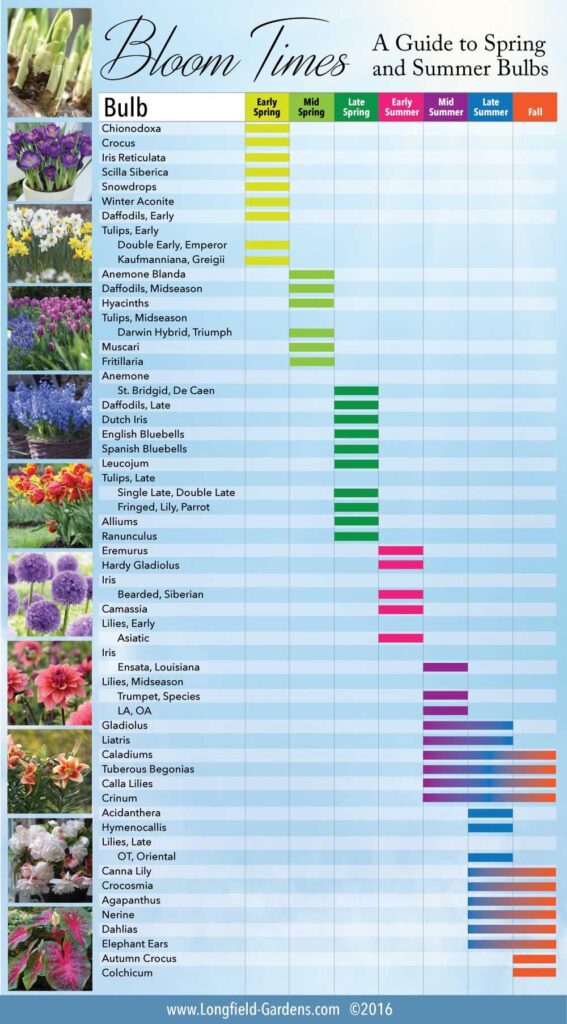
When it comes to planting bulbs, timing is everything. Different types of bulbs are suitable for different seasons, and choosing the right time to plant them can ensure a bountiful display of flowers throughout the year.
In this article, we will explore the best times to plant various types of bulbs, including spring-blooming, autumn-blooming, and winter-blooming bulbs. We will also provide tips on how to plant bulbs successfully and answer some frequently asked questions about bulb care.
What is the Best Time to Plant Bulbs?
While there’s no one-size-fits-all answer to this question, understanding the different types of bulbs and their planting times can help you make informed decisions. In general, spring-blooming bulbs can be planted in the fall or early winter, while summer-blooming bulbs are best planted in the fall. Winter-blooming bulbs, on the other hand, can be planted in the fall or even in late winter.
Spring-Blooming Bulbs
In the spring, you can plant bulbs that bloom in the summer months, such as:
- Gladiolus
- Dahlia
- Zinnia
- Anemone
- Agapanthus
- Begonia
- Calla Lily
- Glory Lily
These bulbs have a certain tolerance for temperature fluctuations and can be planted as early as February or March. To ensure continuous blooming, you can plant new bulbs every two weeks until July.
Spring-blooming bulbs are typically planted 4-6 weeks before the last frost date in your area to give them enough time to establish themselves before the heat of summer sets in.
Autumn-Blooming Bulbs
In the autumn, you can plant bulbs that bloom in the winter months, such as:
- Narcissus
- Tulip
- Daffodil
- Iris (Iris Magnifica is a popular choice)
- Fritillaria
- Leucojum
- Dichelostemma
- Camassia
These bulbs can be planted from late summer to early winter, and some varieties can even tolerate frost.
Autumn-blooming bulbs are typically planted 6-8 weeks before the first frost date in your area to give them enough time to establish themselves before the ground freezes.
Winter-Blooming Bulbs
Some bulbs are naturally resistant to cold temperatures and can thrive in areas with harsh winters. These include:
- Allium amethystum (also known as Amethyst Spring Onion)
- Camassia leichtlinii
These bulbs can add a pop of color to your garden even in the dead of winter, and some varieties can tolerate temperatures as low as -20°C or -25°C.
Winter-blooming bulbs are typically planted 8-10 weeks before the ground freezes in areas with mild winters. This allows them to establish themselves before the cold weather sets in.
How to Plant Bulbs
Once you’ve chosen the right time to plant your bulbs, it’s time to get started. Here are some tips for planting bulbs:
- Dig a hole: Dig a hole that is twice as deep as the bulb.
- Space correctly: Leave about 1.5 times the height of the bulb plus an additional 1.5 cm between each bulb.
- Plant at the right depth: Plant the bulb with the pointed end facing upwards and the flat base facing downwards.
- Water thoroughly: Water the soil well after planting.
If you’re planting bulbs in a pot, make sure to keep the soil consistently moist until the first shoot appears.
Tips for Planting Bulbs Successfully
- Make sure the soil is well-draining before planting bulbs.
- Choose a location that receives the right amount of sunlight and shade for your bulb variety.
- Plant bulbs at the same depth as they were in their original container.
- Avoid overwatering, which can cause rot and other problems.
- Fertilize bulbs after blooming to encourage new growth.
Concime per Bulbi da Fiore
To promote healthy growth and blooming, it’s essential to provide your bulbs with the right nutrients. One popular choice is a specialized bulb food that can be added to the soil before planting.
Some popular options include:
- Concime Compo for Bulbous Plants (available on Amazon)
- Liquid Fertilizer specifically formulated for bulbs
These products can help promote healthy growth and blooming, but it’s essential to follow the instructions carefully.
Frequently Asked Questions
Q: What is the best way to store bulbs over winter?
A: Store bulbs in a cool, dry place with good ventilation. Avoid storing them near heat sources or in direct sunlight.
Q: Can I plant bulbs in areas with poor drainage?
A: Yes, but make sure to choose varieties that are tolerant of wet conditions. Also, consider elevating the soil to improve drainage.
Q: How often should I water my bulbs after planting?
A: Water your bulbs thoroughly after planting and keep the soil consistently moist during the growing season.
Q: Can I plant bulbs in containers?
A: Yes, but make sure to choose varieties that are suitable for container growth. Also, consider using a well-draining potting mix to prevent waterlogged soil.
Q: How long does it take for bulbs to bloom after planting?
A: The time it takes for bulbs to bloom can vary depending on the variety and growing conditions. Generally, you can expect flowers to appear within 6-12 weeks after planting.
Q: Can I plant multiple types of bulbs together?
A: Yes, but make sure to choose varieties that have similar growing requirements and blooming times. Also, consider companion planting to create a diverse and harmonious garden.
Q: How do I divide and replant bulbs?
A: Divide and replant bulbs in the spring or fall, depending on the variety. Make sure to handle the roots gently and plant them at the same depth as before.
Q: Can I grow bulbs indoors?
A: Yes, but make sure to choose varieties that are suitable for indoor growth. Also, consider using a well-draining potting mix and providing sufficient light and temperature control.
Conclusion
Planting bulbs can be a rewarding experience, especially when done correctly. By understanding the different types of bulbs and their planting times, you can ensure a bountiful display of flowers throughout the year. Remember to choose varieties that have similar growing requirements and blooming times, and consider companion planting to create a diverse and harmonious garden.
With these tips and tricks, you’ll be well on your way to becoming a successful bulb grower. Happy planting!


