
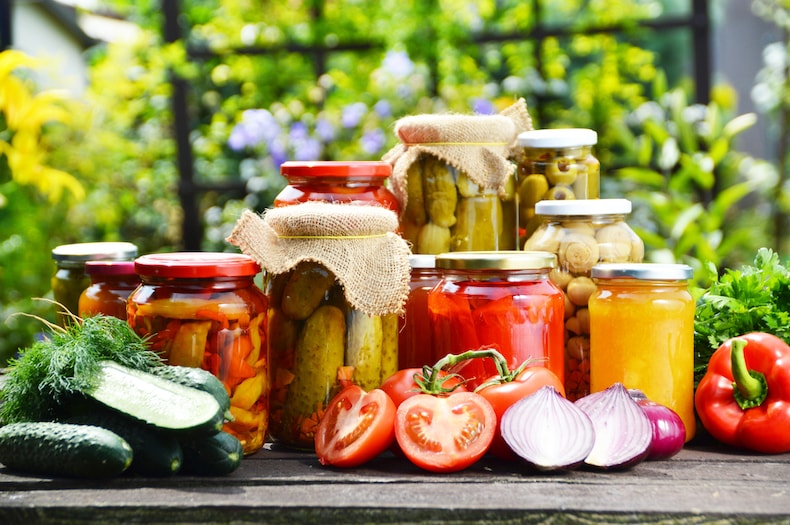
Preserving Vegetables: A Guide to Maintaining Freshness
As a gardener, preserving vegetables is an excellent way to enjoy the fruits of your labor throughout the year. With proper techniques and equipment, you can store vegetables in various ways, ensuring they retain their flavor and nutritional value. In this article, we’ll delve into the world of vegetable preservation, exploring different methods, tips, and best practices.
Why Preserve Vegetables?
Preserving vegetables allows you to:
- Enjoy seasonal produce year-round
- Reduce food waste
- Save money on grocery bills
- Experiment with new recipes and flavors
In addition to these benefits, preserving vegetables also helps support local farmers, reduces the carbon footprint associated with transportation, and ensures a steady supply of fresh produce during times of scarcity.
Choosing the Right Vegetables for Preservation
When selecting vegetables for preservation, consider the following factors:
- Freshness: Choose fresh, crisp vegetables to ensure the best flavor and texture.
- Variety: Select a mix of vegetables that can be preserved using different methods.
- Quality: Opt for high-quality vegetables with minimal bruising or damage.
For example, leafy greens like spinach, kale, and collard greens are well-suited for preserving through freezing or canning. On the other hand, root vegetables like carrots, beets, and potatoes do better when preserved through canning or pickling.
Freezing Vegetables
Freezing is an excellent way to preserve vegetables without sacrificing their nutritional value. Here are some tips for freezing:
- Temperature control: Freeze vegetables at 0°F (-18°C) or below to prevent spoilage.
- Container selection: Use airtight containers or freezer bags to prevent freezer burn and maintain flavor.
- Labeling: Clearly label frozen vegetables with the date and contents.
To ensure optimal quality when freezing, follow these additional tips:
- Remove excess moisture: Pat vegetables dry with paper towels before freezing to prevent excess moisture from accumulating during storage.
- Avoid cross-contamination: Store frozen vegetables in a separate area from other foods to prevent cross-contamination.
- Keep it dark: Freeze vegetables in a dark place or use opaque containers to prevent light from penetrating and causing spoilage.
Why Not Freeze Leafy Greens?
Leafy greens, such as spinach and kale, are not typically preserved through freezing. Instead, consider other preservation methods like canning, pickling, or dehydrating.
Freezing leafy greens can cause a loss of nutrients and flavor due to the breakdown of cell walls and the formation of ice crystals. Additionally, leafy greens often have high water content, which can lead to freezer burn and reduced quality during storage.
Canning Vegetables: A Timeless Tradition
Canning is a classic method for preserving vegetables, allowing you to enjoy them throughout the year. Here’s what you need to know:
- Sterilization: Sterilize equipment and jars before filling to prevent contamination.
- Acidic environment: Create an acidic environment by adding vinegar or lemon juice to preserve vegetables.
- Sealing: Ensure tight seals on jars to maintain freshness.
To ensure safe canning practices, follow these additional tips:
- Follow tested recipes: Use tried-and-true recipes that have been tested and proven safe for canning.
- Use proper equipment: Invest in a pressure canner or other approved equipment to ensure safe processing times.
- Monitor temperature and time: Monitor temperature and processing time closely to prevent spoilage.
Dehydrating Vegetables: A Healthy Alternative
Dehydrating is a great way to preserve vegetables while retaining their nutrients. Here’s how:
- Temperature control: Dehydrate at 135°F (57°C) or below to prevent spoilage.
- Equipment selection: Use a food dehydrator or your oven on the lowest temperature setting.
To ensure optimal quality when dehydrating, follow these additional tips:
- Slice thinly: Slice vegetables into thin slices or strips to facilitate even drying.
- Monitor humidity: Monitor humidity levels closely to prevent moisture from accumulating during storage.
- Store properly: Store dehydrated vegetables in airtight containers to maintain freshness.
Pickling Vegetables: A Tangy Twist
Pickling is a simple way to preserve vegetables, adding flavor and tanginess. Here’s what you need to know:
- Vinegar ratio: Balance vinegar with water in a 1:4 ratio for optimal pickling.
- Spice selection: Add spices and herbs according to personal preference.
To ensure safe pickling practices, follow these additional tips:
- Use tested recipes: Use tried-and-true recipes that have been tested and proven safe for pickling.
- Monitor acidity: Monitor acidity levels closely to prevent spoilage.
- Store properly: Store pickled vegetables in a cool, dark place to maintain freshness.
Salting Vegetables: A Traditional Method
Salting is an ancient method for preserving vegetables, often used for cabbage and other cruciferous greens. Here’s what you need to know:
- Salt ratio: Use 1/4 cup of salt per quart of water.
- Time control: Allow vegetables to sit in brine for 24-48 hours.
To ensure safe salting practices, follow these additional tips:
- Use tested recipes: Use tried-and-true recipes that have been tested and proven safe for salting.
- Monitor temperature: Monitor temperature closely to prevent spoilage.
- Store properly: Store salted vegetables in a cool, dark place to maintain freshness.
Tips and Tricks
Here are some additional tips and tricks for preserving vegetables:
- Labeling: Clearly label containers with the date, contents, and preservation method.
- Storage: Store preserved vegetables in a cool, dark place to maintain flavor and texture.
- Experimentation: Don’t be afraid to try new preservation methods and recipes.
By following these tips and techniques, you can enjoy fresh, flavorful vegetables throughout the year. Whether you’re a seasoned gardener or just starting out, preserving vegetables is a great way to connect with nature and nourish your body.
Frequently Asked Questions
Q: What’s the best way to preserve leafy greens?
A: Leafy greens are not typically preserved through freezing, but can be pickled, dehydrated, or canned using acidic methods.
Q: How long do vegetables last in the freezer?
A: Vegetables can last for several months when frozen at 0°F (-18°C) or below. Always check for spoilage before consuming.
Q: Can I use any type of oil for canning?
A: No, it’s recommended to use a high-quality, oil that is specifically designed for canning.
Q: How do I dehydrate vegetables?
A: Dehydrate vegetables at 135°F (57°C) or below using a food dehydrator or your oven on the lowest temperature setting.
Q: What’s the best way to store pickled vegetables?
A: Store pickled vegetables in a cool, dark place to maintain flavor and texture.
Q: Can I preserve vegetables in brine?
A: Yes, salting is an effective method for preserving vegetables. Use 1/4 cup of salt per quart of water and allow vegetables to sit in brine for 24-48 hours.
Q: What’s the best way to store canned vegetables?
A: Store canned vegetables in a cool, dark place, away from direct sunlight and heat sources.
Q: Can I can low-acid vegetables?
A: No, low-acid vegetables require special attention when canning. Consult with a trusted resource or expert before attempting to can low-acid vegetables.
Q: What’s the best way to rehydrate canned vegetables?
A: Rehydrate canned vegetables by soaking them in water for several hours or using a pressure cooker.


