
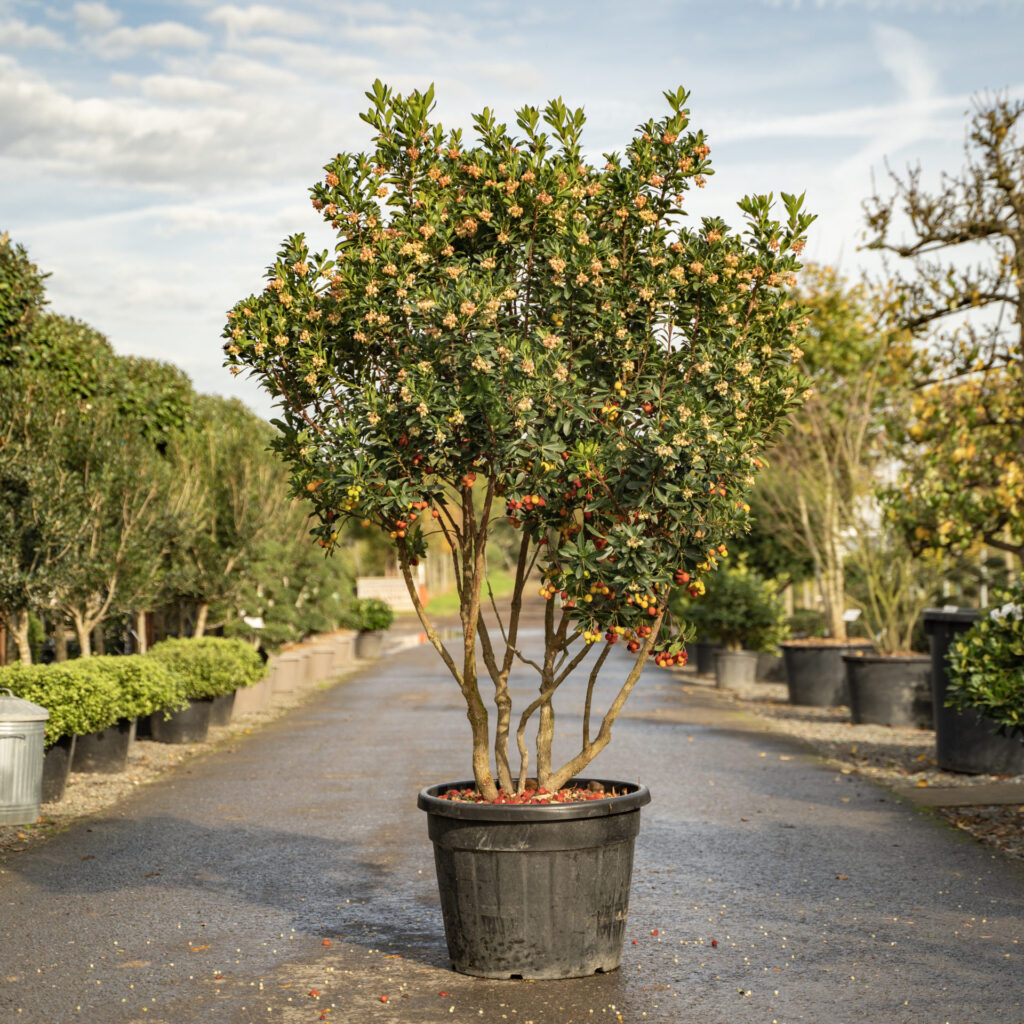
Growing crabapples can add a touch of elegance and vibrancy to your garden, especially during the autumn season. Not only do these trees provide delicious fruit, but they also attract pollinators like bees and butterflies, making them an excellent choice for nature enthusiasts.
In this article, we’ll delve into the world of crabapple cultivation, covering topics from choosing the right location to pruning and fertilizing your tree. Whether you’re a seasoned gardener or a beginner, you’ll find valuable insights and practical advice to help you grow thriving crabapples.
Choosing the Right Location for Your Crabapple Tree
Before planting your crabapple tree, it’s essential to select a suitable location. Look for a spot that receives plenty of sunlight and has well-draining soil. While crabapples can tolerate some wind, strong gusts can cause damage to their delicate flowers and fruits.
If you’re planning to grow your crabapple in a container, choose a large pot with good drainage to prevent waterlogged soil. A depth of at least 40 cm (16 inches) is recommended for optimal root growth.
Understanding the Characteristics of Crabapples
Crabapples are evergreen trees that thrive in Mediterranean climates. They have a distinctive appearance, with green leaves, white or pink flowers, and red or yellow fruits. The tree’s growth rate is moderate, making it suitable for both small gardens and large estates.
One of the most significant benefits of crabapples is their ability to adapt to different environments. They can tolerate some frost but may require protection from harsh winters in colder climates. With proper care, your crabapple tree can become a stunning addition to your garden, providing beauty and fragrance throughout the year.
The Benefits of Growing Crabapples
Growing crabapples offers numerous advantages for gardeners and nature enthusiasts alike. Here are just a few reasons why:
- Delicious Fruit: Crabapples produce sweet and tangy fruits that can be enjoyed fresh or used to make jams, preserves, and other culinary delights.
- Attracts Pollinators: The tree’s showy flowers attract bees, butterflies, and other pollinators, adding to the beauty of your garden.
- Low Maintenance: Crabapples are relatively easy to care for, requiring minimal pruning and fertilization.
Tips for Growing Healthy and Productive Crabapples
To ensure your crabapple tree thrives, follow these guidelines:
- Watering: Water your crabapple regularly, especially during the first year after planting. Avoid overwatering, which can lead to root rot.
- Pruning: Prune your crabapple tree in late winter or early spring to maintain its shape and promote healthy growth.
- Fertilization: Feed your crabapple tree with a balanced fertilizer in early spring to provide essential nutrients for growth.
By following these tips, you’ll be able to enjoy the beauty and benefits of growing crabapples in your garden.
Common Questions About Crabapple Cultivation
Here are some frequently asked questions about growing crabapples:
- Q: Can I grow a crabapple tree indoors?
A: While it’s possible to grow a crabapple tree indoors, it may not thrive due to the limited space and lack of natural light. - Q: How often should I water my crabapple tree?
A: Water your crabapple tree regularly, especially during the first year after planting. Avoid overwatering, which can lead to root rot. - Q: Can I grow a crabapple tree in a container?
A: Yes, you can grow a crabapple tree in a large container with good drainage. However, make sure the pot is at least 40 cm (16 inches) deep.
By understanding the characteristics and benefits of growing crabapples, you’ll be well on your way to cultivating these beautiful trees for years to come.
Frequently Asked Questions
Here are some additional questions about crabapple cultivation:
- Q: How long does it take for a crabapple tree to produce fruit?
A: Crabapple trees typically take 2-5 years to produce fruit after planting. - Q: Can I grow multiple crabapple trees together?
A: Yes, you can grow multiple crabapple trees together in the same garden. However, make sure they have enough space and are well-spaced to avoid overcrowding. - Q: How often should I prune my crabapple tree?
A: Prune your crabapple tree annually to maintain its shape and promote healthy growth.
By answering these questions, you’ll gain a deeper understanding of how to grow thriving crabapples in your garden.
Varieties of Crabapples
Crabapples come in a wide range of varieties, each with its unique characteristics and benefits. Here are some popular types of crabapples:
- Sweet Crisp: Known for its sweet and crunchy apples, Sweet Crisp is a popular variety among gardeners.
- Dolgo Blue: This variety produces blue-gray fruit that’s both edible and ornamental.
- Red Jewel: Red Jewel crabapples produce bright red fruits that are perfect for snacking and cooking.
By choosing the right variety of crabapple for your needs, you’ll be able to enjoy the benefits of growing these beautiful trees in your garden.
Conclusion
Growing crabapples can be a rewarding experience for gardeners and nature enthusiasts alike. By following the guidelines outlined in this article, you’ll be able to cultivate these beautiful trees for years to come. With their delicious fruit, attractive flowers, and low maintenance requirements, it’s no wonder why crabapples have become a popular choice for gardeners worldwide.
Whether you’re a seasoned gardener or just starting out, growing crabapples is an excellent way to add beauty and functionality to your garden.


