
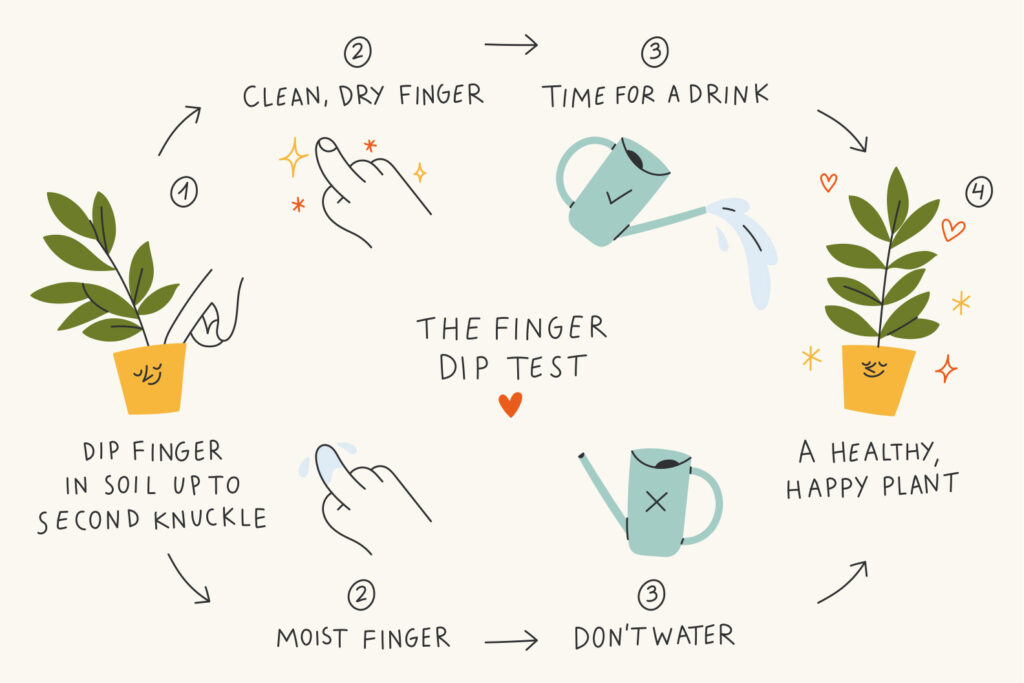
Watering your plants is one of the most common questions gardeners ask. However, it’s not as simple as watering once a week. Different types of plants have varying needs when it comes to water quality and quantity, making it challenging to provide the right amount of moisture.
Understanding Plant Watering Needs: A Complex Issue
While general guidelines may suggest watering plants once a week, this approach doesn’t take into account the specific needs of each plant. Overwatering can be detrimental, causing root rot and other problems, while underwatering can lead to stress and decline in plant health. So, how can you determine when to water your plants?
Observing the Soil Moisture
One way to gauge if your plants need watering is by observing the soil moisture. The soil should always be kept moist, but not waterlogged. If the surface of the soil feels dry to the touch, it’s time to water.
Using a Terracotta Pot as an Indicator
If you’re using a terracotta pot, you can use its color and texture to determine if your plant needs watering. A dark, moist pot indicates that the plant doesn’t need more water, while a light, dry pot suggests it’s time to irrigate.
Factors Affecting Plant Watering Needs
Several factors affect a plant’s watering needs, including:
- Plant type: Different plants have varying requirements for water quality and quantity.
- Climate: Weather conditions, such as temperature and humidity, impact a plant’s need for water.
- Seasonal changes: Plants require more or less water depending on the time of year.
Signs of Overwatering
While it may seem counterintuitive, overwatering can be just as damaging as underwatering. Look out for these signs:
- Yellowing leaves: If your plant’s leaves turn yellow, it may be a sign that the soil is too wet.
- Soft stems: If the stems of your plant become soft and mushy, it indicates an overwatered condition.
- Root rot: This can occur when the roots of the plant begin to decay due to excess moisture.
What to Do in Case of Overwatering
If you’ve accidentally overwatered your plants, don’t panic. Here are some steps you can take:
- Remove the plant from the pot: Carefully lift the plant out of its container to assess the extent of the damage.
- Trim away affected roots: Use sterile scissors or pruning shears to trim away any dead or rotting roots.
- Repot with fresh soil: Transfer the plant to a new pot filled with well-draining soil to prevent further root decay.
Planting Tips for Spring and Fall
When planting, consider the following tips for spring and fall:
- Spring: Plant in well-draining soil to help prevent waterlogged conditions.
- Fall: Choose plants that thrive in cooler temperatures and adjust your watering schedule accordingly.
Watering Techniques for Different Plants
Different plants require unique watering techniques. Here are a few examples:
- Cacti and succulents: Water sparingly, allowing the soil to dry out completely between waterings.
- Ferns and other shade-loving plants: Keep the soil consistently moist but not waterlogged.
Tips for Young Plants
Young plants require more frequent watering than mature plants. Here are some tips:
- Water after transplanting: Water young plants thoroughly after transplanting to ensure they establish a strong root system.
- Check soil moisture regularly: Keep an eye on the soil moisture of your young plants and water when necessary.
Tips for Mature Plants
Mature plants require less frequent watering than young plants. Here are some tips:
- Water deeply but infrequently: Water mature plants deeply, but only once or twice a week, to encourage deep root growth.
- Monitor soil moisture: Keep an eye on the soil moisture of your mature plants and water when necessary.
Conclusion
Watering your plants is an art that requires patience, observation, and attention to detail. By understanding plant watering needs and following these guidelines, you can provide the right amount of moisture for a happy and healthy plant.


