
As we navigate the world of hair dye, it’s not uncommon to encounter those pesky stains left behind on our skin and clothing. Whether you’re a seasoned pro or a newbie to the world of color, removing these stains can be a challenge. But fear not! With the right techniques and products, you can say goodbye to those unsightly marks and hello to a vibrant, stain-free look.
Understanding Hair Dye Stains
Hair dye stains can be caused by a variety of factors, including the type of dye used, the duration of application, and individual skin chemistry. While some stains may be minor, others can be quite stubborn and require specialized removal methods. In this article, we’ll explore the most common types of hair dye stains and provide step-by-step guidance on how to remove them.
Types of Hair Dye Stains
There are several types of hair dye stains that can occur, each with its own unique characteristics and challenges. Here are some of the most common types of hair dye stains:
- Red Stains: Red stains are caused by the presence of red pigment in the hair dye. They can be challenging to remove, especially if they have had time to set.
- Blonde Stains: Blonde stains are caused by the presence of yellow or golden pigment in the hair dye. They can be less common than other types of stains but can still be problematic.
- Brown Stains: Brown stains are caused by the presence of warm, earthy tones in the hair dye. They can be challenging to remove, especially if they have had time to set.
- Black Stains: Black stains are caused by the presence of dark pigment in the hair dye. They can be difficult to remove and may require specialized products.
Stain Removal Methods
When it comes to removing hair dye stains, the key is to act quickly and use the right techniques. Here are some effective methods for tackling common stain types:
- Lemon Wedge: For light-colored stains, try using a lemon wedge to gently scrub away the discoloration.
- Acetone-Based Products: For red dye stains, acetone-based products can be used to break down and remove the pigment.
- Baking Soda and Water: For minor stains, a mixture of baking soda and water can be used to gently scrub away the discoloration.
- Hydrogen Peroxide: For stubborn stains, hydrogen peroxide can be used to break down and remove the pigment.
Removing Hair Dye Stains from Fabrics
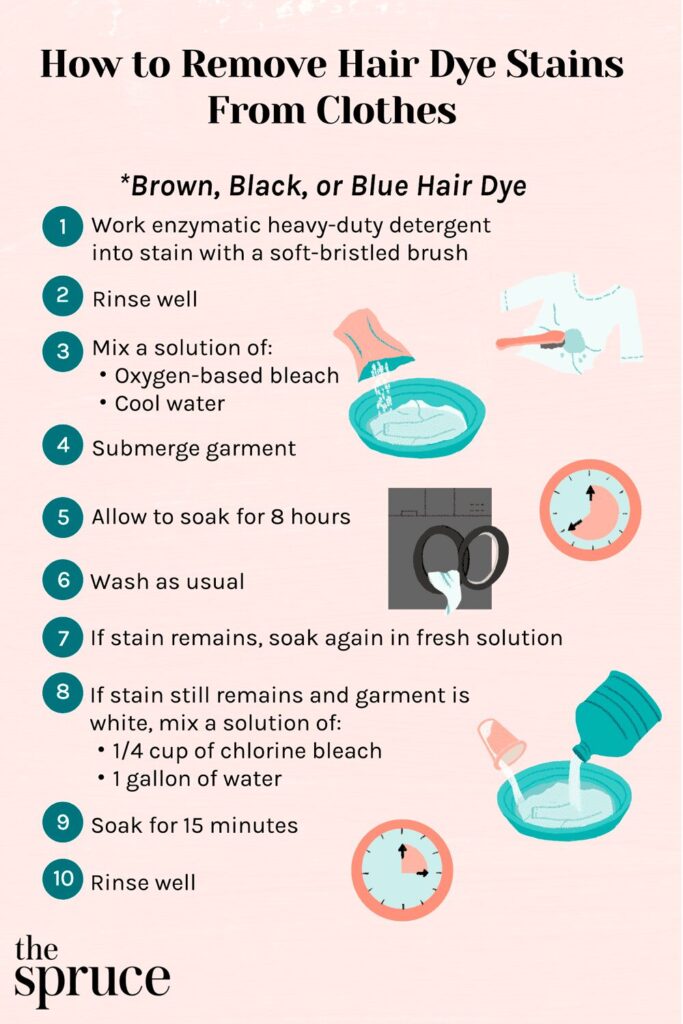
When it comes to removing hair dye stains from fabrics like cotton, linen, or silk, it’s essential to act quickly to prevent the stain from setting. Here are some effective methods for tackling common fabric stains:
- Wooden Surfaces: For wooden surfaces, try using a gentle wood cleaner and avoiding harsh chemicals that can damage the finish.
- Clothing and Linens: For clothing and linens, try blotting the stain gently with a clean cloth or paper towel. Avoid rubbing the stain, as this can push it deeper into the fabric.
- Washable Fabric Removers: For stubborn stains on washable fabrics, try using a fabric remover specifically designed for hair dye.
Removing Hair Dye Stains from Skin
When it comes to removing hair dye stains from skin, it’s crucial to use gentle products that won’t irritate the skin. Here are some effective methods for tackling common skin stains:
- Natural Remedies: For minor stains, try using a mixture of baking soda and water to gently scrub away the discoloration.
- Cosmetic Products: For more severe stains, try using cosmetic products like makeup remover or acne treatment products.
- Hydrogen Peroxide: For stubborn stains on skin, hydrogen peroxide can be used to break down and remove the pigment.
The Dangers of Hair Dye
While hair dye can be a fun and creative way to express yourself, it’s essential to be aware of the potential risks associated with its use. Here are some common dangers to watch out for:
- Skin Irritation: Hair dye can cause skin irritation, including itching, redness, and rashes.
- Eye Damage: Hair dye can also cause eye damage, including blurred vision and sensitivity to light.
Prevention is Key
While it’s impossible to completely eliminate the risk of hair dye stains, there are steps you can take to minimize the risk. Here are some tips for preventing hair dye stains:
- Do a Patch Test: Before applying any hair dye, do a patch test on a small area of skin to ensure that you’re not allergic to the product.
- Use Protective Gear: When working with hair dye, use protective gear like gloves and old clothing to prevent stains from setting.
- Follow Instructions: Follow the instructions provided by the manufacturer carefully to avoid over-processing or under-processing your hair.
Conclusion
Removing hair dye stains may seem like a daunting task, but with the right techniques and products, it’s achievable. By understanding the causes of hair dye stains and using effective removal methods, you can say goodbye to those unsightly marks and hello to a vibrant, stain-free look.


