
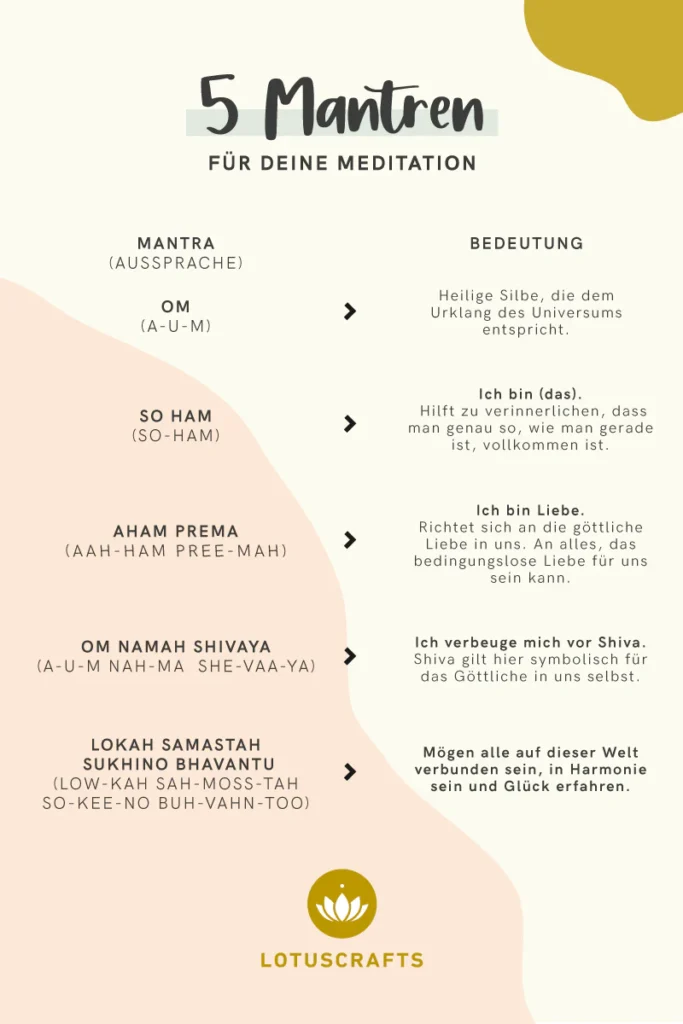
As we navigate the complexities of modern life, it’s easy to feel lost and disconnected from our inner selves. But what if there was a way to tap into the profound wisdom and peace that lies within us? Enter the world of mantras, ancient formulas that have been used for centuries to guide us toward spiritual growth, mental clarity, and emotional balance.
What is a Mantra?
A mantra is a word or phrase that holds powerful symbolic meaning and vibrational energy. Derived from the Sanskrit words “man” (mind) and “tra” (protection), mantras are believed to offer protection and guidance on our journey toward self-discovery and enlightenment. Unlike prayers, which are often directed towards a higher power, mantras are more like personal mantras that we recite to ourselves, aiming to quiet the mind and connect with our inner selves.
The Benefits of Mantras
So, what can mantras do for us? Research suggests that reciting mantras can have a profound impact on both our mental and physical well-being. By using these sacred formulas, we can:
- Calm the mind and reduce stress
- Enhance focus and concentration
- Boost self-esteem and confidence
- Improve relationships and communication skills
But how do mantras work their magic? The answer lies in the power of sound. When we recite a mantra, we’re not just repeating words; we’re creating vibrations that resonate deep within our being. These vibrations can alter our perception, influencing our thoughts, emotions, and behaviors.
The Origins of Mantras
Mantras have been used for centuries in various Eastern spiritual traditions, including Hinduism, Buddhism, Jainism, and Sikhism. The earliest recorded use of mantras dates back to the Vedas, ancient Indian texts that contain hymns, prayers, and philosophical discourses. Over time, mantras evolved to become an integral part of meditation practices, helping individuals cultivate inner peace, wisdom, and spiritual growth.
Choosing a Mantra
With so many mantras to choose from, how do we pick the right one? The answer lies in understanding the two main categories: personal and impersonal mantras. Personal mantras are like personalized prayers, often directed towards specific deities or aspects of the self. Impersonal mantras, on the other hand, are more abstract and universal, aiming to connect us with something greater than ourselves.
Popular Mantras for Meditation
Some popular mantras that have gained widespread recognition include:
- Om: Often considered the most powerful mantra of all, Om represents the infinite and the divine.
- Gayatri: This ancient Indian mantra is said to awaken the mind and promote spiritual growth.
- OM MANI PADME HUM: A well-known Tibetan Buddhist mantra believed to bring about liberation from suffering.
Types of Mantras
There are various types of mantras that can be used for meditation, including:
- Chanting Mantras: Repeating a mantra out loud or with the intention of repeating it.
- Silent Mantras: Reciting a mantra silently, allowing the vibrations to resonate within us.
- Vocalized Mantras: Humming or chanting a mantra to create specific sound frequencies.
- Tibetan Mantras: Using sacred texts from Tibetan Buddhism, such as the Doh Nor Bu, for meditation and spiritual growth.
How to Use Mantras in Your Daily Life
Mantras can be incorporated into various aspects of our daily lives, including:
- Morning Meditation: Start your day with a mantra, setting intentions and aligning yourself with positivity.
- Stress Relief: Recite a mantra when feeling overwhelmed or anxious to calm the mind and reduce stress.
- Focus and Concentration: Use a mantra to enhance focus and concentration during work or study sessions.
- Sleep: Listen to a calming mantra before bed to promote relaxation and deep sleep.
Practicing Mantras
So, how do we incorporate mantras into our daily lives? Here are some tips:
- Recite your mantra with intention and focus
- Use a peaceful and quiet environment
- Experiment with different vocalizations (e.g., humming, chanting, or whispering)
- Be patient and consistent
Overcoming Challenges
While incorporating mantras into your life can be incredibly beneficial, it’s not without its challenges. Here are some common obstacles and solutions:
- Difficulty Focusing: Start with short sessions and gradually increase time as you become more comfortable with the mantra.
- Feeling Distracted: Find a quiet space where you can meditate without distractions, or use guided recordings to help keep you focused.
- Emotional Resistance: Begin with simple mantras that resonate with your emotions, such as “I am enough” or “I am loved.”
- Burnout: Be gentle with yourself and take breaks when needed. Remember, the goal is to cultivate inner peace and balance.
Mantra for Beginners
If you’re new to mantras, start with a simple one like:
- “Om Shanti Shanti Shanti”: A calming mantra that promotes peace and tranquility.
- “I Am Enough”: A empowering mantra that fosters self-acceptance and confidence.
- “Breathe In, Breathe Out”: A mindfulness mantra that encourages deep breathing and relaxation.
Advanced Mantras
As you become more comfortable with mantras, try experimenting with:
- Chanting Mantras: Repeat a mantra out loud, allowing the vibrations to resonate within you.
- Silent Mantras: Recite a mantra silently, focusing on the vibration of the words.
- Tibetan Mantras: Use sacred texts from Tibetan Buddhism for meditation and spiritual growth.
Conclusion
As we explore the world of mantras, it’s essential to remember that these ancient formulas are not just mere words on paper; they hold the power to transform our lives. By embracing the wisdom of mantras, we can tap into a deeper sense of purpose, connection, and inner peace.
Frequently Asked Questions
- What is the difference between a mantra and a prayer?
While both mantras and prayers are used for spiritual growth, mantras are more personal and directed towards self-reflection, whereas prayers are often directed towards a higher power. - Can anyone use mantras?
Yes, mantras can be beneficial for people of all ages, cultures, and backgrounds. - How do I choose the right mantra for me?
Experiment with different mantras and see which one resonates with you the most. Trust your intuition and listen to your inner voice. - Can mantras be used in combination with other spiritual practices?
Absolutely! Mantras can complement yoga, meditation, and other mindfulness practices. - How often should I recite a mantra?
Start with daily practice and gradually increase frequency as you become more comfortable with the mantra. - What is the best way to pronounce a mantra?
Experiment with different vocalizations until you find one that feels natural and authentic for you. - Can mantras be used in situations where I need immediate stress relief?
Yes, reciting a mantra can help calm the mind and reduce stress in the moment. - How long should I practice a mantra before experiencing benefits?
Patience is key! Regular practice (even just 5-10 minutes a day) will begin to yield results over time.
Remember, mantras are not a quick fix; they’re a journey of self-discovery and growth. By embracing the wisdom of these ancient formulas, we can unlock our full potential and live a more balanced, harmonious life.


