
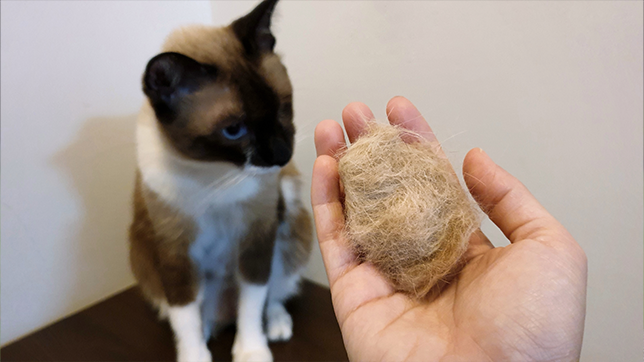
The Feline Hairball: A Common but Troublesome Problem
As any cat owner knows, the hairball is a frustrating and sometimes alarming issue that can affect even the healthiest of felines. But what exactly is a hairball, and how does it form? In this article, we’ll delve into the world of feline grooming and explore the causes, symptoms, and treatments for this common problem.
What is a Hairball?
A hairball, also known as a trichobezoar, is an accumulation of swallowed hair that forms in a cat’s stomach. This can happen when a cat grooms excessively, ingesting large amounts of fur in the process. The hair then accumulates in the stomach, causing a range of problems for the feline.
How Does a Hairball Form?
Cats spend a significant amount of time grooming themselves to keep their coats clean and healthy. This involves licking, biting, and scratching their fur to remove dirt, debris, and loose hairs. However, this process can sometimes go too far, leading to the ingestion of large amounts of hair.
Grooming Habits: A Key Factor in Hairball Formation
Cats are meticulous about their grooming, which is essential for maintaining their coat health. They spend a significant amount of time licking, biting, and scratching their fur to remove dirt, debris, and loose hairs. While this process is crucial for keeping their coats clean and healthy, it can sometimes lead to hairballs.
The Role of Hair Length in Hairball Formation
Long-haired cats are more prone to hairballs than short-haired cats. This is because the longer the hair, the more likely it is to be ingested during grooming. In addition, long-haired cats often groom themselves more frequently, which can increase the amount of hair that’s swallowed.
Hairballs in Senior Cats: A Common Issue
As cats age, their grooming habits may change. Senior cats may experience a decline in physical mobility, making it more difficult for them to groom themselves effectively. This can lead to an accumulation of loose hairs on their coat, which can increase the risk of hairballs.
Pettiness, Divination, and Vomiting: The Signs of a Hairball
If your cat is experiencing any of the following symptoms, it may be a sign that a hairball has formed:
- Excessive licking or grooming: If your cat is spending an inordinate amount of time licking its fur, it may be trying to dislodge a hairball.
- Vomiting: Cats with hairballs often vomit to try and rid themselves of the offending object.
- Coughing or choking: In some cases, cats can experience coughing or choking as they attempt to dislodge a hairball from their throat.
The Risks: Gastrite, Stipsis, and Intestinal Blockages
If left untreated, a hairball can cause serious health problems for your cat. These include:
- Gastrite: Inflammation of the stomach lining due to the presence of a hairball.
- Stipsis: A chronic condition characterized by hard, dry feces that can lead to constipation and other gastrointestinal issues.
- Intestinal blockages: In severe cases, a hairball can accumulate in the intestines, causing a blockage that can prevent your cat from passing stool or even lead to intestinal obstruction.
Prevention is the Best Medicine
While it’s impossible to completely eliminate the risk of hairballs, there are steps you can take to reduce their occurrence:
- Regular grooming: Brushing your cat regularly can help reduce shedding and minimize the amount of hair that’s ingested.
- Dietary changes: Feeding a high-fiber diet can help promote regular bowel movements and reduce the risk of constipation.
- Purification products: Certain products, such as those containing psyllium or flaxseed, can help stimulate digestive health and prevent hairballs.
Natural Remedies for Hairballs
If your cat has developed a hairball, there are several natural remedies you can try to help alleviate symptoms:
- Ginger: Known for its anti-inflammatory properties, ginger can help soothe the stomach and reduce nausea.
- Psyllium: This fiber supplement can help promote regular bowel movements and prevent constipation.
- Vitamin E oil: This essential oil has antioxidant properties that may help protect against hairball formation.
Purification Products for Hairballs
While natural remedies can be helpful, there are also several purification products available on the market that can help dissolve and remove hairballs:
- Purina Hairball Control: A food supplement containing psyllium husk to help reduce shedding and prevent hairballs.
- Garden of Life RAW Beauty Fiber: A fiber supplement derived from fruits, vegetables, and whole grains that can help promote digestive health.
Conclusion
Hairballs are a common problem affecting many felines worldwide. By understanding the causes, symptoms, and treatments for this issue, you can take steps to prevent hairball formation and alleviate symptoms if they do occur. Remember to always consult with your veterinarian for professional advice on caring for your feline friend.
Frequently Asked Questions
- Can I give my cat a pill to dissolve a hairball?: No, it’s not recommended to give your cat a pill to dissolve a hairball. Instead, try using natural remedies or purification products as outlined above.
- How often should I groom my cat?: Brushing your cat regularly can help reduce shedding and minimize the amount of hair that’s ingested. Aim to brush at least once a day, or more frequently if needed.
- Can hairballs be a sign of a larger health issue?: Yes, hairballs can sometimes be a sign of an underlying health problem, such as gastrite or intestinal blockages. If your cat is experiencing persistent hairball symptoms, consult with your veterinarian to rule out other potential causes.
In conclusion, the feline hairball is a common but troublesome problem that requires attention and care. By understanding its causes, symptoms, and treatments, you can help prevent hairball formation and alleviate symptoms if they do occur.


