
As the old adage goes, “when life gives you lemons, make lemonade.” However, when life decides to give you colon irritability, it can be a whole different story. This common issue can manifest in various forms and affect people of all ages, causing discomfort, pain, and disrupts digestion. But what exactly is colon irritability, and how can we alleviate its symptoms?
What is Colon Irritability?
Colon irritability refers to an imbalance in the digestive system, specifically with the colon. This condition affects not only the intestines but also the entire body, making it challenging to identify its root cause. The colon’s primary function is to absorb nutrients, and when it doesn’t work properly, our bodies can’t reap the benefits of a balanced diet.
In addition to impaired digestion, colon irritability can lead to decreased immunity, metabolic disturbances, and even stress-related issues. It’s essential to recognize that this condition is not a standalone issue but rather a symptom of a larger problem – an imbalance in our overall health.
Causes of Colon Irritability
There are several potential causes of colon irritability, including:
- Poor diet or eating habits
- Sensitivity to certain substances (e.g., gluten, dairy)
- Stress, anxiety, or depression
- Chronic constipation or diarrhea
- Medication side effects (e.g., antibiotics, antidepressants)
Symptoms of Colon Irritability
The symptoms of colon irritability can be quite varied and may resemble those of other digestive issues. Some common signs include:
- Bloating and gas
- Abdominal pain or cramping
- Diarrhea or constipation
- Nausea and vomiting
- Fatigue and lethargy
In addition to these physical symptoms, colon irritability can also affect a person’s mental well-being. Individuals may experience:
- Anxiety and depression
- Irritability and mood swings
- Difficulty concentrating and memory loss
- Insomnia and sleep disturbances
Dietary Changes for Colon Irritability
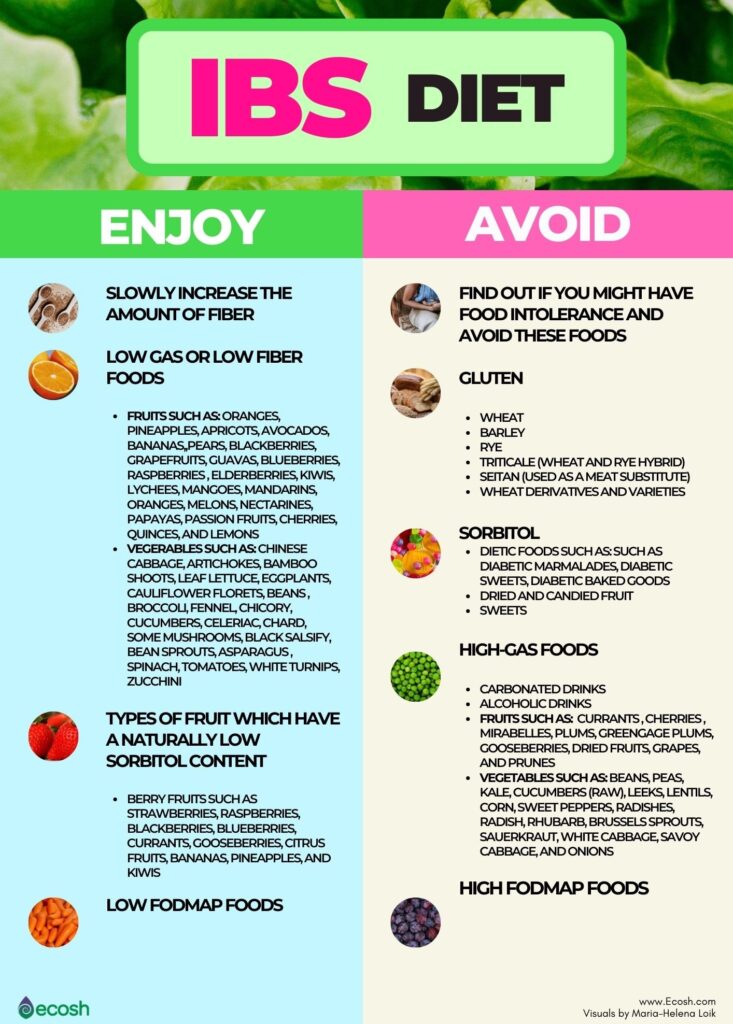
When it comes to managing colon irritability, dietary changes can play a significant role. Here are some tips to help you get started:
- Increase fiber intake: Focus on whole, unprocessed foods like fruits, vegetables, whole grains, and legumes.
- Stay hydrated: Drink plenty of water throughout the day to help flush out toxins.
- Avoid trigger foods: Identify and avoid foods that can irritate your colon, such as gluten, dairy, or spicy foods.
Foods That Can Help Alleviate Colon Irritability
While dietary changes are essential in managing colon irritability, certain foods may also provide relief. Some beneficial options include:
- Probiotic-rich foods: Fermented foods like yogurt, kefir, and kimchi contain probiotics that can help restore balance to the gut microbiome.
- Omega-3 rich foods: Fatty fish like salmon, sardines, and mackerel are high in omega-3 fatty acids, which can reduce inflammation and alleviate symptoms.
- Prebiotic-rich foods: Foods like asparagus, bananas, and onions contain prebiotics that feed beneficial bacteria in the gut.
Natural Remedies for Colon Irritability
In addition to dietary changes, there are several natural remedies that may help alleviate symptoms of colon irritability. Some popular options include:
- Probiotics: Beneficial bacteria that can help restore balance to the gut microbiome.
- Digestive enzymes: Supplements that can aid digestion and reduce symptoms.
- Herbal teas: Certain herbs like peppermint, chamomile, or ginger may help soothe the digestive system.
Conclusion
Colon irritability is a common issue that affects many people, causing discomfort, pain, and disrupting our overall health. By understanding its causes, recognizing its symptoms, and making dietary changes, we can take steps towards alleviating its effects. Natural remedies like probiotics, digestive enzymes, and herbal teas may also provide relief. If you’re experiencing persistent or severe symptoms, consult with a healthcare professional for personalized guidance.
Frequently Asked Questions
Q: What are the most common causes of colon irritability?
A: Poor diet, sensitivity to certain substances, stress, chronic constipation or diarrhea, and medication side effects can all contribute to colon irritability.
Q: How can I alleviate symptoms of colon irritability?
A: Dietary changes, staying hydrated, avoiding trigger foods, and incorporating natural remedies like probiotics, digestive enzymes, and herbal teas may help alleviate symptoms.
Q: Can colon irritability be treated with medication?
A: While some medications may provide temporary relief, addressing the underlying causes of colon irritability through dietary changes and natural remedies is often more effective in the long run.
Q: How can I prevent colon irritability from recurring?
A: Maintaining a balanced diet, staying hydrated, practicing stress-reducing techniques, and getting regular check-ups with your healthcare provider can all help prevent future episodes of colon irritability.
Q: Can colon irritability be cured?
A: While it’s possible to alleviate symptoms and manage the condition through dietary changes and natural remedies, curing colon irritability entirely may require ongoing treatment and lifestyle modifications.


