
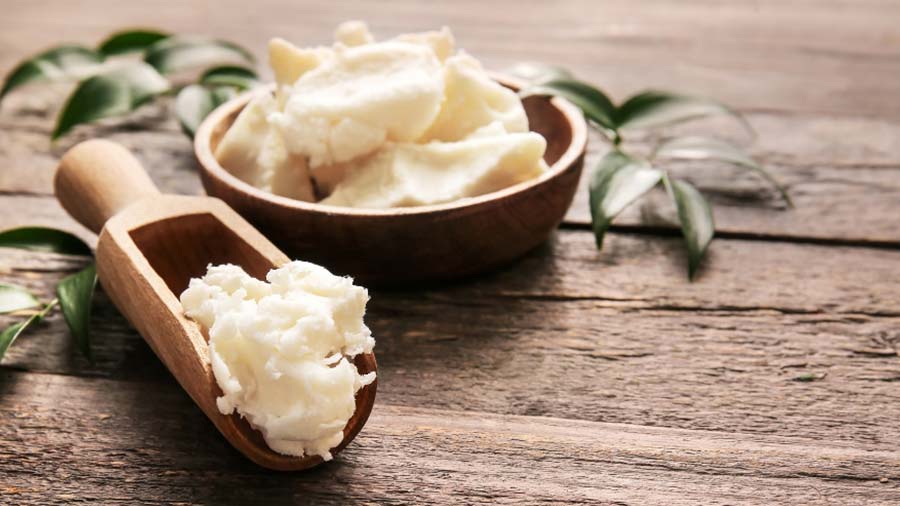
Karité butter, also known as shea butter, is a popular natural product extracted from the seeds of the karité tree (Vitellaria paradoxa or Butyrospermum parkii). This African tree grows in the savannas of West Africa, where its nuts are rich in vitamins, fatty acids, and other beneficial compounds. In this article, we will delve into the world of karité butter, exploring its properties, uses, and benefits for skin and hair care.
The Karité Tree
The karité tree is a deciduous tree that can grow up to 20 feet tall, with a broad trunk and gray bark. Its leaves are alternate, measuring 10-15 cm in length, with an entire margin and oval shape. The flowers are white or pale pink, blooming in clusters during the dry season. The fruit of the karité tree is a drupe with a single seed, which is harvested to produce karité butter.
Karité Butter Production
The production of karité butter involves several traditional steps:
- Harvesting: Women collect mature fruit from the karité tree.
- Seed extraction: The fruit is cleaned and seeds are removed.
- Drying: Seeds are left to dry in the sun to reduce moisture content.
- Roasting: Seeds are roasted to further reduce moisture content and develop their characteristic flavor.
- Grinding: Ground seeds are mixed with water to form a paste.
- Kneading: The mixture is kneaded by hand or with a machine to separate the butter from the pulp.
- Separation: The resulting mixture is boiled or stirred to separate the butter from the remaining pulp.
- Purification: The butter is rinsed in boiling water and dried.
Properties and Uses of Karité Butter
Karité butter is renowned for its numerous benefits, particularly in skincare:
- Moisturizing properties: Karité butter retains moisture, making it an excellent hydrating agent for skin.
- Anti-aging properties: Vitamins A, E, and F present in karité butter help prevent signs of aging, such as wrinkles and fine lines.
- Protective barrier: The butter creates a protective layer on the skin, shielding it from external factors like wind, cold, and sun exposure.
- Anti-inflammatory properties: Compounds in karité butter have anti-inflammatory effects, which can soothe irritated skin.
Using Karité Butter
Karité butter is a versatile ingredient used in various skincare products:
- Creams and lotions: Use as a base for homemade creams and lotions to hydrate and nourish the skin.
- Hair care: Apply karité butter to dry hair to lock in moisture and protect against damage.
Benefits of Karité Butter for Hair Care
Karité butter is an excellent natural ingredient for hair care, offering several benefits:
- Moisturizing properties: Karité butter helps to hydrate the hair shaft, making it look healthier and shinier.
- Protective barrier: The butter creates a protective layer on the hair, shielding it from damage caused by environmental factors like wind, cold, and sun exposure.
- Nourishing properties: Vitamins and fatty acids present in karité butter help to nourish the hair follicles, promoting healthy hair growth.
Homemade Skincare Products with Karité Butter
Karité butter is a popular ingredient in homemade skincare products, offering numerous benefits for skin care:
- Moisturizing creams: Mix karité butter with other natural oils like coconut oil and shea oil to create a hydrating moisturizer.
- Face masks: Combine karité butter with honey and yogurt to create a soothing face mask.
- Lip balms: Use karité butter as a base for homemade lip balms, mixing it with other natural ingredients like beeswax and essential oils.
Cultural Significance of Karité Butter
Karité butter has significant cultural and historical importance in many African societies:
- Traditional uses: Karité butter has been used for centuries in traditional medicine, skincare, and hair care practices.
- Symbolism: The karité tree is often considered a symbol of fertility, prosperity, and good fortune.
Conclusion
Karité butter is a natural product with numerous benefits for skin and hair care. Its moisturizing, anti-aging, protective, and anti-inflammatory properties make it an excellent ingredient for homemade skincare products. With its rich history and cultural significance, karité butter is more than just a product – it’s a symbol of tradition and sustainability.
FAQs
- What are the benefits of using karité butter on skin?
Karité butter is known for its moisturizing properties, anti-aging effects, protective barrier, and anti-inflammatory benefits. - Can I use karité butter as a hair mask?
Yes, karité butter can be used as a hair mask to nourish and protect dry hair. - How do I make homemade skincare products using karité butter?
To create your own skincare products, combine karité butter with other natural ingredients like coconut oil, shea oil, or essential oils to suit your skin type and needs. - Can karité butter be used on sensitive skin?
Karité butter is generally gentle and non-irritating, making it suitable for most skin types, including sensitive skin. - Where can I purchase karité butter?
Karité butter can be found in local markets, online stores, or specialty shops selling natural skincare products. - Is karité butter organic?
Some producers claim that their karité butter is organically sourced and processed, while others may use conventional farming methods. It’s always best to verify the origin and production process of your chosen product. - Can I use karité butter on baby skin?
Karité butter can be used on baby skin as a gentle moisturizer, but it’s recommended to dilute it with other natural oils first. - Is karité butter suitable for oily skin?
While karité butter has moisturizing properties, it can also exacerbate oily skin if applied in excess. Start with a small amount and adjust as needed.
By understanding the properties and uses of karité butter, you can unlock its full potential in your skincare routine and discover the benefits of this ancient natural product.


