
Introduction
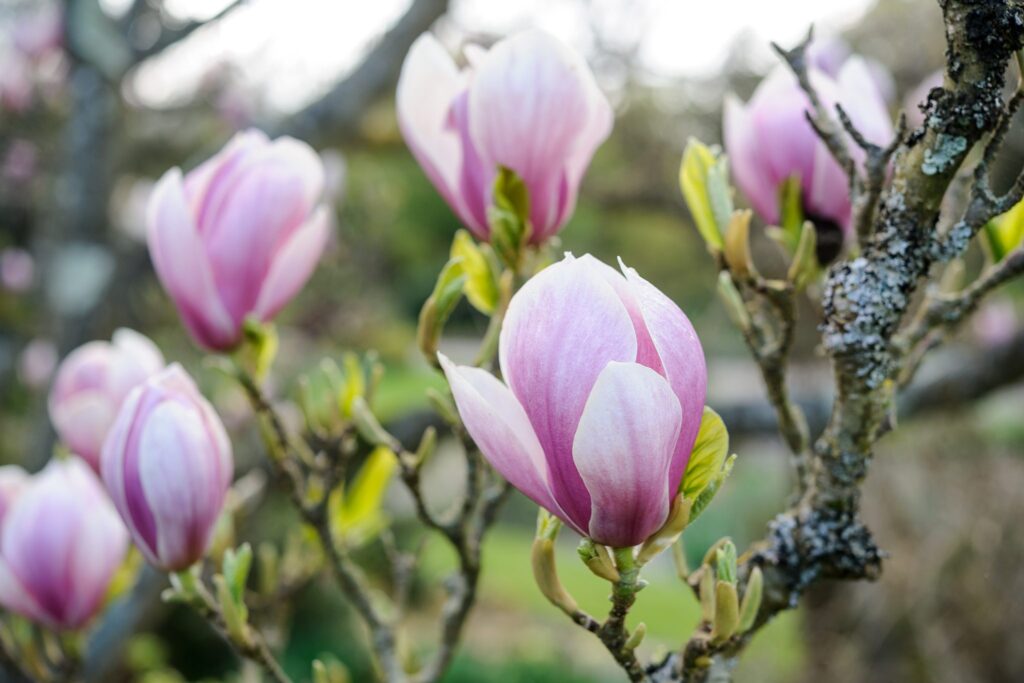
Magnolias are one of the most popular flowering trees in the world, known for their stunning white, pink, and purple flowers that bloom in the spring. However, growing a magnolia can be challenging, especially for beginners. In this article, we will provide you with a comprehensive guide on how to grow a magnolia, including its various types, care requirements, and maintenance tips.
Understanding Magnolia Types
There are many different species of magnolias, each with its own unique characteristics. Some popular varieties include:
- Magnolia x soulangeana: This is one of the most common types of magnolias, known for its large white flowers.
- Magnolia stellata: Also known as “Star Magnolia,” this variety has striking white flowers that resemble a star shape.
- Magnolia liliflora: This type of magnolia has showy purple flowers and is often used in landscaping.
Choosing the Right Location
Before planting a magnolia, it’s essential to choose a location that receives plenty of sunlight. Magnolias prefer full sun to partial shade, depending on the specific variety. However, they also require good air circulation to prevent disease and pests.
- Sunlight: Magnolias need at least 6 hours of direct sunlight per day.
- Shade: If you live in a hot climate or have limited sunlight, consider planting a magnolia under a tree or near an open area that receives partial shade.
- Wind Protection: Make sure your magnolia is planted away from strong winds to prevent damage and disease.
Soil Requirements
Magnolias prefer well-draining soil that is rich in organic matter. They can tolerate a range of pH levels but perform best in slightly acidic soil (pH 6.0-7.0). Avoid planting magnolias in areas with standing water or where water tends to collect.
- Soil pH: Magnolias prefer slightly acidic soil, so avoid using alkaline fertilizers.
- Soil Texture: A mix of clay, silt, and sand is ideal for magnolia growth.
- Organic Matter: Add compost or well-rotted manure to improve soil fertility and drainage.
Watering and Irrigation
Magnolias need regular watering, especially during the first year after planting. However, overwatering can be detrimental, so it’s essential to avoid this common mistake.
- Watering Schedule: Water your magnolia deeply once or twice a week, depending on weather conditions.
- Soil Moisture: Check the soil moisture by inserting your finger into the soil up to the knuckle. If the soil feels dry, it’s time to water.
- Rainfall: Avoid watering during periods of heavy rainfall.
Fertilization
Magnolias require regular fertilization to promote healthy growth and flowering. Use an acidic fertilizer (pH 6.0-7.0) during the growing season (spring-fall), and avoid fertilizing in the fall when the tree is dormant.
- Fertilizer Type: Acidic fertilizers are best for magnolias, as they promote healthy growth.
- Fertilization Schedule: Fertilize your magnolia every 4-6 weeks during the growing season.
- Organic Options: Consider using organic fertilizers like fish emulsion or compost tea.
Pruning and Maintenance
While magnolias don’t need frequent pruning, they do require some maintenance to keep them healthy and looking their best. Remove any dead or diseased branches, and trim back overgrown branches to maintain a balanced shape.
- Pruning Tools: Use sharp, clean pruning tools to prevent spreading disease.
- Pruning Schedule: Prune your magnolia every 2-3 years, depending on its age and growth rate.
- Shaping: Consider pruning your magnolia into a desired shape or size for aesthetic purposes.
Common Problems and Solutions
Magnolias are generally low-maintenance trees but can be susceptible to certain problems. Here are some common issues and solutions:
- Pests: Regularly inspect your magnolia for signs of pests like aphids, scale, or borers. Use organic pesticides whenever possible.
- Diseases: Watch out for diseases like root rot, leaf spot, or powdery mildew. Treat affected areas promptly with fungicides.
- Nutrient Deficiencies: Monitor your magnolia’s growth and adjust fertilization accordingly.
By following these guidelines and tips, you can grow a healthy and thriving magnolia tree that will bring beauty and joy to your garden or yard for years to come.
Frequently Asked Questions
Here are some answers to common questions about growing magnolias:
- Q: How often should I water my magnolia?
A: Water your magnolia deeply once or twice a week, depending on weather conditions. - Q: What type of fertilizer do I use for magnolias?
A: Use an acidic fertilizer (pH 6.0-7.0) during the growing season (spring-fall). - Q: Can I prune my magnolia every year?
A: While pruning is not necessary, it’s essential to remove dead or diseased branches and trim back overgrown branches. - Q: How often should I fertilize my magnolia?
A: Fertilize your magnolia during the growing season (spring-fall) using an acidic fertilizer.
By following these tips and guidelines, you can grow a beautiful and thriving magnolia tree that will bring joy and beauty to your garden or yard for years to come.


