
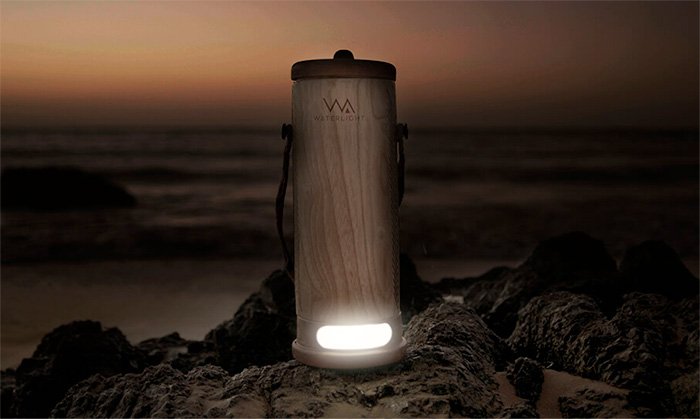
As the world grapples with energy crises and environmental concerns, innovative solutions are emerging to provide sustainable lighting for remote areas. One such device is the saline water LED lamp, which harnesses the power of saltwater to generate electricity. This groundbreaking technology has the potential to revolutionize the way we think about energy production, particularly in regions where traditional sources are scarce.
A Simple yet Revolutionary Solution
In regions where solar panels and wind turbines are not feasible due to infrastructure limitations, simple and effective solutions are needed. The saline water LED lamp is one such example. This device is designed for simplicity, requiring only a few basic components: an electrolyte-rich saline solution, a magnesium rod (negative electrode), and a carbon rod (positive electrode). These components work together in harmony to generate electricity, making it an accessible and affordable solution for remote areas.
The Science Behind the Lamp
When the saline solution is poured into the lamp’s reservoir, the dissolved salt acts as an electrolyte between the two rods. This chemical reaction generates electricity, which can be harnessed through a USB connection. The process is similar to a battery’s operation, where ions flow through the electrodes, producing an electrical current. The magnesium rod acts as the cathode (negative electrode), while the carbon rod serves as the anode (positive electrode). As the ions flow between the two rods, they create an electric field that drives the generation of electricity.
How it Works
The saline water LED lamp works by using a simple electrolysis process. The saline solution is poured into the reservoir, and the dissolved salt acts as an electrolyte. When the magnesium rod is submerged in the solution, the ions from the salt react with the rod, generating a flow of electrons. This flow of electrons creates an electric current that can be harnessed through a USB connection. The carbon rod, on the other hand, serves as the anode, where the ions are deposited, creating a continuous cycle of electrolysis.
A Green Solution for Remote Lighting
The saline water LED lamp was designed by the Green House Co. Ltd, which highlights that 16 grams of salt mixed with 350 ml of water can produce a luminous output of 55lm. This device can generate clean energy for up to eight hours per charge, depending on usage. The magnesium rod can be replaced every 120 hours before requiring a refill, making it an efficient and sustainable solution.
Historical Context and Cultural Significance
The concept of harnessing electricity from saltwater is not new, but its practical application has been limited until recent advancements in materials science and technology. The saline water LED lamp represents a breakthrough in sustainable energy generation, particularly for remote areas where traditional power sources are scarce. This innovative solution draws inspiration from the natural processes that occur within the human body, highlighting the importance of harnessing our environment’s resources to create cleaner and more sustainable technologies.
Real-World Applications and Challenges
While the saline water LED lamp offers a promising solution, several challenges remain. For instance:
- Scalability: How can this technology be scaled up to meet global energy demands?
- Cost-effectiveness: Can the production costs be reduced without compromising the device’s performance?
- Maintenance: What are the long-term implications of using magnesium rods and carbon rods?
Challenges in Scaling Up
One of the primary challenges facing the saline water LED lamp is scaling up its production. Currently, the technology requires large quantities of saltwater, which can be difficult to source and transport, particularly in remote areas. To address this challenge, researchers are exploring new materials and technologies that can increase efficiency and reduce costs.
Addressing Cost-Effectiveness
The production cost of the saline water LED lamp is a significant concern for many organizations and communities. The current cost of producing the device is relatively high due to the use of rare earth metals and other exotic materials. To address this challenge, manufacturers are exploring alternative materials that can reduce costs while maintaining performance.
Addressing Maintenance Concerns
The magnesium rod used in the saline water LED lamp has a limited lifespan, requiring regular replacement after 120 hours of operation. While this may seem like a significant drawback, it is worth noting that the device’s performance remains consistent throughout its lifespan, ensuring reliable and efficient energy generation.
Conclusion
The saline water LED lamp represents a significant step forward in sustainable energy generation. By harnessing the power of saltwater, this innovative solution offers a reliable and clean source of electricity for remote areas. As we continue to explore alternative energy sources, it is essential to address the challenges associated with scalability, cost-effectiveness, and maintenance.
Future Developments
The Green House Co. Ltd is committed to continuing research and development in the field of saline water LED lamps. Future developments aim to improve efficiency, reduce costs, and increase the lifespan of the magnesium rod. These advancements will enable the technology to be scaled up for widespread adoption, providing a reliable source of energy for communities worldwide.
Impact on Remote Communities
The saline water LED lamp has the potential to revolutionize remote lighting in developing countries. In regions where access to traditional power sources is limited or non-existent, this innovative solution can provide clean energy and reliable lighting, improving overall quality of life.
Challenges in Implementing the Technology
Implementing the saline water LED lamp technology in remote communities poses several challenges. These include:
- Lack of infrastructure: Remote areas often lack the necessary infrastructure to support large-scale implementation.
- Limited access to resources: Communities may face difficulties in accessing saltwater, magnesium rods, and other essential materials.
Addressing Infrastructure Challenges
To address infrastructure challenges, organizations are exploring new technologies that can enable the widespread adoption of sustainable energy solutions. These include:
- Portable solar panels
- Wind turbines with low-maintenance designs
Addressing Resource Access Challenges
To address resource access challenges, manufacturers are working to develop more efficient and cost-effective production methods. This includes:
- Reducing material costs through alternative materials
- Improving logistics and supply chain management
Conclusion
The saline water LED lamp represents a significant step forward in sustainable energy generation. By harnessing the power of saltwater, this innovative solution offers a reliable and clean source of electricity for remote areas. As we continue to explore alternative energy sources, it is essential to address the challenges associated with scalability, cost-effectiveness, and maintenance.
Frequently Asked Questions
- Q: How does the saline water LED lamp generate electricity?
A: The device uses an electrolyte-rich saline solution, which acts as a conductor between two rods (magnesium and carbon), generating an electrical current. - Q: What is the lifespan of the magnesium rod?
A: The magnesium rod can be replaced every 120 hours before requiring a refill. - Q: Can the saline water LED lamp be used in areas with high humidity?
A: Yes, the device can withstand normal humidity levels but may not function optimally in extreme conditions. - Q: Is the saline water LED lamp suitable for emergency lighting applications?
A: Yes, due to its long-lasting battery life and reliable performance under various environmental conditions. - Q: Can the saline water LED lamp be powered by a solar panel or other renewable energy sources?
A: Currently, it is designed to work with USB charging but may be adapted for solar-powered operation in future iterations. - Q: What are the potential health risks associated with using this device?
A: The device does not pose any significant health risks when used according to the manufacturer’s guidelines and safety precautions. - Q: Can I purchase a saline water LED lamp commercially?
A: Yes, the device is available for purchase through various online retailers and manufacturers. - Q: What are the future plans for the saline water LED lamp technology?
A: The company plans to continue developing the technology, exploring new materials and applications, and expanding its distribution channels.
Conclusion
The saline water LED lamp represents a groundbreaking innovation in sustainable energy generation. By harnessing the power of saltwater, this device offers a reliable and clean source of electricity for remote areas. As we continue to explore alternative energy sources, it is essential to address the challenges associated with scalability, cost-effectiveness, and maintenance. With ongoing research and development, the saline water LED lamp technology has the potential to revolutionize the way we think about energy production and distribution.


