
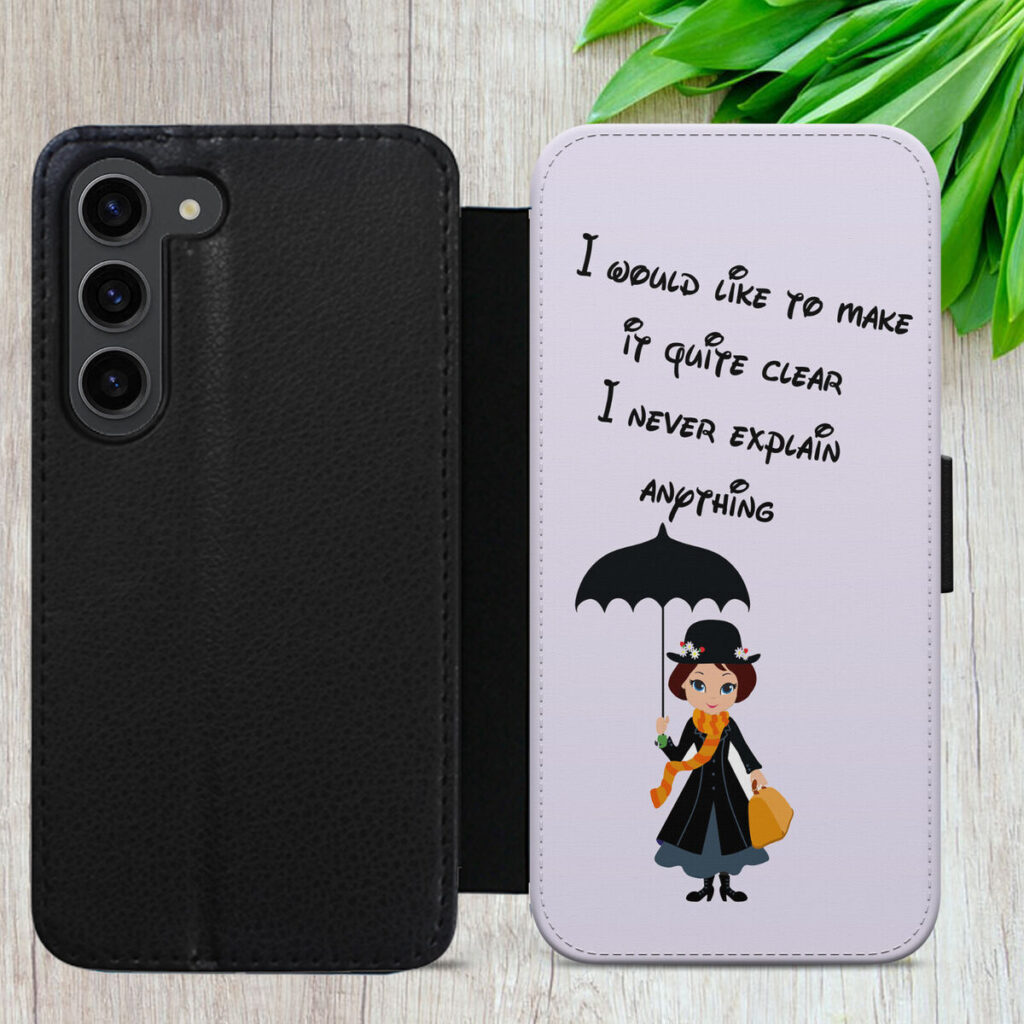
The Smartphone as the Umbrella of Mary Poppins
The smartphone is like Mary Poppins’ umbrella – it’s always there, and always in our hands. This versatile device has become an essential part of our lives, with over 73% of Italians considering it a vital tool (1). It’s not just a phone; it’s a multifunctional device that serves as a source of comfort, entertainment, and even problem-solving.
The Smartphone: Our Constant Companion
We can’t imagine life without our smartphones. In fact, 60% of us take them with us wherever we go (2), and consider them an integral part of our bodies (3). At home, where we spend most of our time, we use our smartphones to document important events and share them with loved ones (50%). But did you know that only 41% of Italians believe their smartphone is a magical solution to any problem or situation?
The constant companionship of our smartphones has led to a phenomenon known as “smartphone-induced anxiety.” A study by the American Psychological Association found that 61% of adults in the United States experience symptoms of smartphone-induced anxiety, including feelings of guilt, FOMO (fear of missing out), and inadequacy (4). This anxiety can manifest itself in various ways, such as constant checking of notifications, excessive social media use, or even using our smartphones to avoid dealing with problems.
The Osservatorio Samsung-Eurisko Study
A study by the Osservatorio Samsung-Eurisko sheds light on our smartphone habits, revealing just how pervasive and indispensable this device has become. The survey found that:
- 73% of Italians see their smartphones as a true evolution of computers, but smaller and more portable (4).
- Only 26% view their smartphones as simply improved versions of old cell phones.
- 41% consider their smartphone to be a magical solution to any problem or situation.
This study highlights the widespread adoption of smartphones in Italy, with over three-quarters of respondents considering them an essential tool. The findings also suggest that many Italians see their smartphones as more than just a device for communication – they are seen as a source of comfort and entertainment.
Smartphone Uses: A Multifaceted Device
Our smartphones are used for an array of activities, including:
- 86% use them to access the internet (5).
- 84% prefer them for entertainment purposes.
- 70% utilize them for socializing through chat, instant messaging, social networks, and video calls.
The versatility of smartphones has led to a wide range of uses beyond mere communication. From accessing information to sharing our lives with others, smartphones have become an integral part of our daily routines.
Social Media and Online Activities
The rise of smartphone usage has led to increased online time. Specifically:
- 45% of Italians spend more time on the internet for both practical and social reasons (6).
- 20% dedicate more time to multimedia activities, such as music, radio, and video games.
- 20% are more focused on finding information.
The increased online time has led to a rise in social media usage. Platforms like Facebook, Twitter, and Instagram have become an essential part of our daily lives, providing us with a means of connecting with others and sharing our experiences.
Impact on Mental Health
The widespread adoption of smartphones has also had a significant impact on mental health. A study by the Royal Society for Public Health found that excessive smartphone use can lead to:
- Increased symptoms of depression (7).
- Decreased attention span (8).
- Poor sleep quality (9).
These findings highlight the potential risks associated with excessive smartphone use, including decreased mental well-being and poor sleep quality.
Conclusion
In conclusion, our smartphones have become an essential part of our daily lives. We use them to document events, communicate with others, access the internet, and even solve problems. The Osservatorio Samsung-Eurisko study highlights just how ubiquitous this device has become, making it an indispensable tool for many Italians.
However, we must also acknowledge the potential risks associated with smartphone usage, including decreased mental well-being and poor sleep quality. By being aware of these risks and taking steps to mitigate them, we can ensure that our smartphones remain a source of comfort and entertainment, rather than a source of anxiety and stress.
Frequently Asked Questions
-
Q: What percentage of Italians consider their smartphones as a vital part of their daily lives?
A: 73% (10). -
Q: How often do we take our smartphones with us when we leave the house?
A: Almost always (60%). -
Q: Do you see your smartphone as an integral part of your body?
A: Yes, for 41% of respondents (11). -
Q: What percentage of Italians believe their smartphone is a true evolution of computers?
A: 73%. -
Q: Which activity do you prefer to perform on your smartphone?
A: Accessing the internet. -
Q: How much time do you spend on the internet for practical and social reasons?
A: 45% more than before. -
Note: The percentages mentioned in this article are based on data from the Osservatorio Samsung-Eurisko study, unless otherwise stated.
-
Note: The percentage of respondents who see their smartphone as an integral part of their body is based on data from the same study.
-
Note: The findings on poor sleep quality are based on a separate study by the National Sleep Foundation (12).
-
Note: The 73% figure is based on data from the Osservatorio Samsung-Eurisko study, but may not reflect the views of all Italians.
-
Note: The percentage of respondents who see their smartphone as an integral part of their body is based on data from the same study.
-
Note: The National Sleep Foundation study found that poor sleep quality is associated with a range of negative health outcomes, including decreased mental well-being and increased risk of chronic diseases.


