
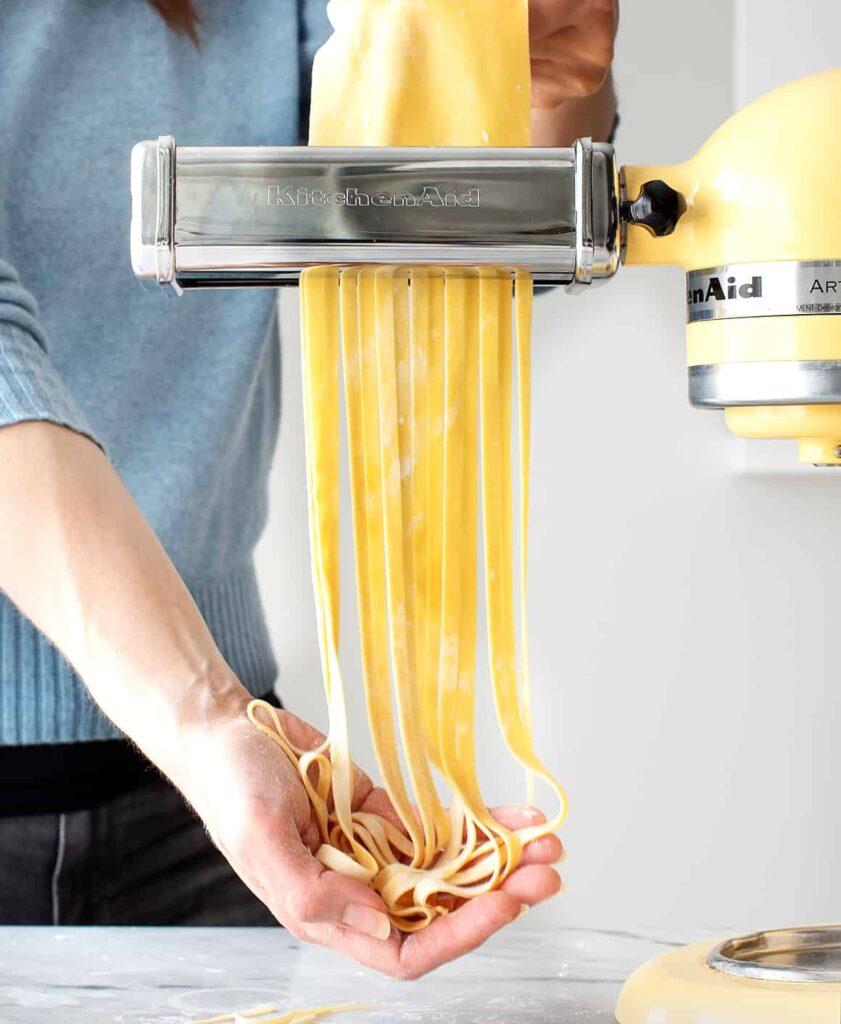
As a pasta enthusiast, I love surprising my guests with unique flavors and textures. Making pasta from scratch allows me to experiment with various flour blends, resulting in delicious and authentic Italian dishes.
In this article, we’ll explore the world of homemade pasta, covering traditional recipes, alternative flours, and the tools needed to create perfect pasta every time.
The Joy of Homemade Pasta
When you make pasta at home, you can control the ingredients, textures, and flavors. This allows you to create unique dishes that showcase your creativity and passion for Italian cuisine.
With just a few simple ingredients like flour, water, eggs, and salt, you can craft delicious pasta that’s perfect for any meal. Whether you’re making traditional spaghetti or experimenting with new recipes, the process of creating homemade pasta is both therapeutic and rewarding.
Choosing the Right Flour
The type of flour used to make pasta is crucial in determining its texture, flavor, and overall quality. Here are some common types of flour commonly used for pasta:
- Bread flour: This flour is high in protein, making it ideal for creating strong, chewy pasta.
- All-purpose flour: A versatile option that works well for both traditional and alternative recipes.
- Semolina flour: Made from durum wheat, this flour produces a distinctive yellow color and coarse texture.
- Gluten-free flours: Perfect for those with dietary restrictions or preferences.
Traditional Pasta Recipes
Here are two classic pasta recipes to get you started:
Pasta Fresca (Fresh Pasta) Recipe
This recipe is perfect for beginners, requiring only three ingredients: flour, water, and salt.
Ingredients:
- 400g of durum wheat semolina flour
- 200-225ml of water
- 8g of salt
Instructions:
- Combine the flour and salt in a bowl.
- Gradually add the water while mixing the dough with a fork until it comes together.
- Knead the dough for 10 minutes, then rest for 30 minutes.
- Roll out the dough using a pasta machine or a rolling pin.
- Cut into desired shapes and cook in boiling salted water for 2-4 minutes.
Pasta All’Uovo (Egg Pasta) Recipe
This recipe adds eggs to the traditional pasta dough, resulting in a more tender and flavorful final product.
Ingredients:
- 200g of all-purpose flour
- 2 large eggs
- 4g of salt
Instructions:
- Combine the flour, eggs, and salt in a bowl.
- Mix the dough until it forms a ball.
- Knead for 10 minutes, then rest for 30 minutes.
- Roll out the dough using a pasta machine or a rolling pin.
- Cut into desired shapes and cook in boiling salted water for 2-4 minutes.
Alternative Pasta Recipes
Experiment with different flours and ingredients to create unique pasta recipes:
- Pasta senza glutine (Gluten-free pasta): Use gluten-free flours like rice flour, almond flour, or coconut flour.
- Pasta all’olio (Olive oil pasta): Add olive oil to the dough for a more tender and flavorful final product.
- Pasta con verdure (Veggie pasta): Mix in chopped vegetables like spinach, bell peppers, or carrots.
Tools Needed for Pasta Making
Here are some essential tools to help you create perfect pasta every time:
- Pasta machine: A must-have tool for creating uniform pasta shapes.
- Rolling pin: Perfect for flattening and shaping the dough.
- Cutting tools: Use a sharp knife or pasta cutter to shape your pasta into desired forms.
- Colander: Necessary for draining cooked pasta.
Drying and Storing Pasta
To preserve your homemade pasta, follow these tips:
- Dry pasta: Hang it over a clean towel or lay it flat on a baking sheet.
- Store in an airtight container: Keep the pasta away from moisture and pests.
Tips for Beginners
Here are some additional tips to help you get started with making pasta at home:
Working with Gluten-Free Flours
When working with gluten-free flours, be aware that they can behave differently than traditional wheat flour. Here are some tips for using gluten-free flours in pasta recipes:
- Use a combination of gluten-free flours: Blending different gluten-free flours can help create a more cohesive dough.
- Add xanthan gum or guar gum: These gums can help improve the texture and structure of gluten-free pasta.
Managing Dough Hydration
The right level of hydration in your pasta dough is crucial for achieving the perfect texture. Here are some tips for managing dough hydration:
- Use a digital scale: Measure your ingredients accurately using a digital scale.
- Adjust the water content: Experiment with different amounts of water to achieve the ideal consistency.
Creating Unique Shapes and Textures
Making unique pasta shapes and textures is an art form. Here are some tips for experimenting with different techniques:
- Use a pasta machine with multiple settings: Adjusting the thickness of your pasta can create a range of textures.
- Experiment with hand-rolling: Try shaping your pasta by hand using a rolling pin or a fork.
Pasta Pairings and Combinations
Once you’ve mastered making pasta, it’s time to experiment with different pairings and combinations. Here are some ideas for pairing pasta with sauces, toppings, and other ingredients:
- Classic combination: Combine spaghetti with tomato sauce and parmesan cheese.
- Veggie-packed pasta: Toss cooked pasta with roasted vegetables like broccoli, carrots, and bell peppers.
Common Mistakes to Avoid
Here are some common mistakes to avoid when making pasta at home:
- Overworking the dough: Overmixing can lead to a tough or dense final product.
- Underhydrating the dough: Insufficient water content can result in dry or brittle pasta.
- Not drying the pasta thoroughly: Failing to dry the pasta properly can lead to spoilage or mold.
By following these tips and techniques, you’ll be well on your way to creating delicious homemade pasta that will impress your friends and family. Happy cooking!


