
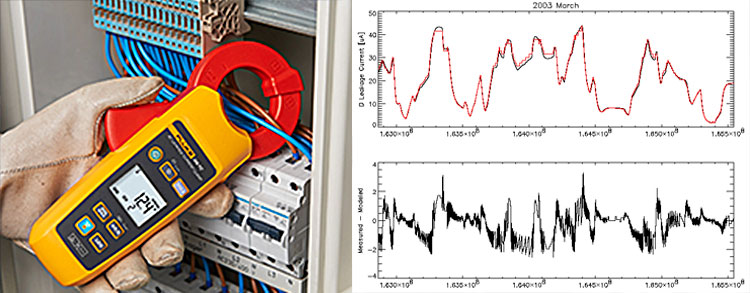
Electrical disruptions, also known as power surges or electrical shocks, can be a significant concern for homeowners. These disruptions occur when there is a loss of electricity due to a poorly connected electrical system. In this article, we will explore the causes of electrical disruptions, how to detect them, and what measures can be taken to prevent such incidents.
Understanding Electrical Disruptions
Electrical disruptions happen when an electrical circuit becomes disconnected or overloaded, causing the electricity to flow erratically. This can lead to a range of problems, including damage to appliances, safety hazards, and increased energy bills. The first sign of an electrical disruption is often the sudden loss of power from the main supply.
Causes of Electrical Disruptions
So, what causes these electrical disruptions? Some common culprits include:
- Poorly connected or damaged wiring
- Outdated electrical systems that are no longer designed to handle modern appliances
- Lack of grounding in the electrical system
- Faulty circuit breakers or fuses
- Overloaded circuits due to the addition of new appliances
To identify these issues, it’s essential to perform regular checks on your electrical system. Here are some steps you can take:
Checking Your Electrical System
Performing a thorough inspection of your electrical system is crucial in identifying potential issues before they become major problems. Here’s how to do it safely and effectively:
- Consult a licensed electrician if you’re unsure about any aspect of the process.
- Turn off the main power supply to prevent accidents or injuries.
- Check for signs of wear, damage, or corrosion on wires, outlets, and switches.
- Look for frayed cords, exposed wiring, or other safety hazards.
Using Specialized Equipment
To detect electrical disruptions, you’ll need specialized equipment such as a multimeter or an ammeter. These tools can help identify issues with your electrical system, including:
- High levels of resistance in the circuit
- Faulty or malfunctioning components
- Signs of overheating or overloading
Preventing Electrical Disruptions
Once you’ve identified potential issues, there are steps you can take to prevent electrical disruptions from occurring. Here are some tips:
- Hire a licensed electrician to perform regular inspections and maintenance.
- Use high-quality equipment and materials for your electrical system.
- Avoid overloading circuits or using extension cords as permanent solutions.
- Install Ground Fault Circuit Interrupters (GFCIs) in areas where water is present, such as bathrooms and kitchens.
Safety Considerations
Electrical disruptions can be a serious safety concern, especially if they cause electrical shock or fire hazards. To minimize the risk of injury, follow these safety guidelines:
- Avoid touching any live wires or electrical components.
- Keep children and pets away from electrical appliances and wiring.
- Use protective gear such as gloves and safety glasses when working with electrical equipment.
- Follow all safety precautions when using power tools or performing electrical work.
Consequences of Electrical Disruptions
Electrical disruptions can have serious consequences, including:
- Damage to appliances and electronics
- Safety hazards such as electrical shock or fire
- Increased energy bills due to unnecessary electricity usage
- Potential long-term damage to your electrical system
Conclusion
Electrical disruptions can be a significant concern for homeowners. By understanding the causes of these issues, how to detect them, and what measures can be taken to prevent them, you can enjoy a safer and more reliable electrical system. Remember to consult a licensed electrician if you’re unsure about any aspect of the process.
Frequently Asked Questions
- What are electrical disruptions?
Electrical disruptions occur when there is a loss of electricity due to a poorly connected or overloaded electrical system. - How can I detect electrical disruptions?
Use specialized equipment such as a multimeter or an ammeter to detect issues with your electrical system. - Can I prevent electrical disruptions?
Yes, by hiring a licensed electrician for regular inspections and maintenance, using high-quality equipment and materials, avoiding overloading circuits, and installing Ground Fault Circuit Interrupters (GFCIs). - What are the safety risks associated with electrical disruptions?
Electrical disruptions can cause serious injury or death due to electrical shock, fire hazards, or other safety issues. - How often should I inspect my electrical system?
It’s recommended to have a licensed electrician perform regular inspections and maintenance every 5-10 years, depending on the age and condition of your electrical system.
Additional Resources
- National Electrical Code (NEC) guidelines for electrical safety
- Local building codes and regulations regarding electrical systems
- Licensed electrician associations for guidance and support
By understanding electrical disruptions and taking steps to prevent them, you can enjoy a safer and more reliable electrical system.


