
As temperatures rise during the summer, it’s tempting to escape to the beach or mountains to beat the heat. However, when you’re at home, you can’t help but worry about your beloved plants, which need water, especially in hot weather. Some people are lucky enough to have friends or neighbors who take care of their plants for them, while others must find alternative solutions. In this article, we’ll explore some cost-effective and eco-friendly DIY irrigation systems that can ensure your plants receive the right amount of water.
The Importance of Irrigation Systems
Irrigation systems play a crucial role in gardening, as they help maintain soil moisture levels and prevent overwatering or underwatering. Without proper watering, plants may suffer from stress, leading to reduced growth rates, decreased fruit production, and increased susceptibility to pests and diseases. A well-designed irrigation system can also help you save money on water bills by optimizing water usage.
Hydrogel Capsules: A Low-Cost Solution
One popular DIY irrigation system is using hydrogel capsules. These small, plastic spheres release water gradually as they absorb moisture from the soil. You can find them in gardening stores and nurseries. Simply fill a container with water, and then immerse the hydrogel capsules. Place them on top of the soil around your plants, following the instructions provided with the product.
How Hydrogel Capsules Work
Hydrogel capsules contain a porous material that absorbs water from the surrounding soil. As the capsule absorbs moisture, it releases water back into the soil through small pores. This process is repeated continuously, providing a steady supply of water to your plants.
Benefits of Using Hydrogel Capsules
- Cost-effective: Hydrogel capsules are relatively inexpensive compared to traditional irrigation systems.
- Low maintenance: Simply fill and place the capsules in the desired location, eliminating the need for complex plumbing or scheduling.
- Easy to use: The system is simple to set up and requires minimal technical expertise.
Important Considerations When Using Hydrogel Capsules
- Not all plants are compatible with this system. Check with your local nursery or gardening expert before using hydrogel capsules for your specific plants.
- Hydrogel capsules may not be suitable for areas with high soil pH levels, as they can leach nutrients into the soil.
Plastic Bottle Irrigation System
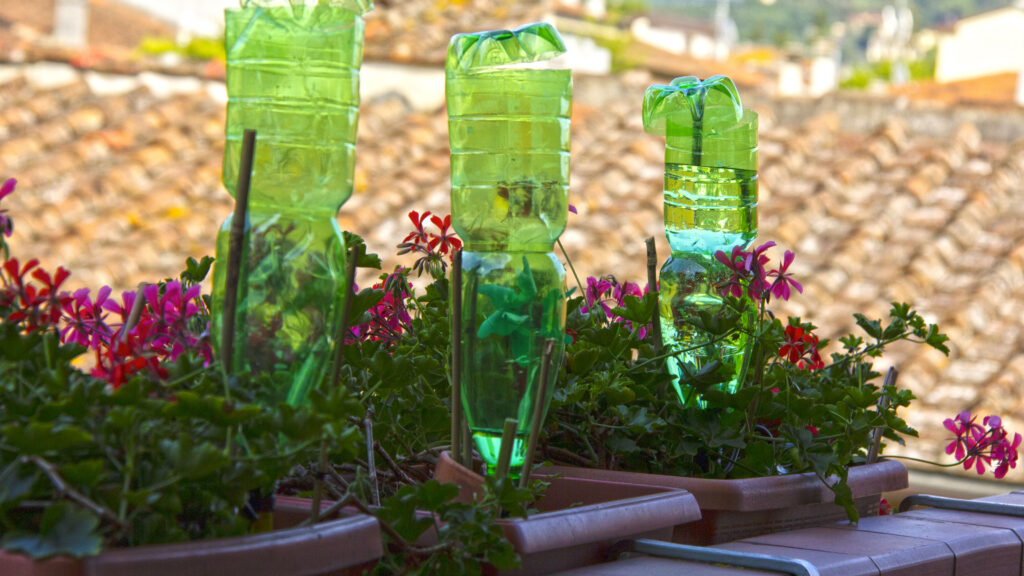
This DIY irrigation system is simple and effective. You’ll need empty plastic bottles, a pencil, and a drill (optional). Drill two small holes in the top of each bottle, about 1-2 inches apart, using a pencil as a guide. Fill the bottles with water, and then place them on top of the soil around your plants. As the water drains from the bottles, it will help keep the soil consistently moist.
Tips for Using Plastic Bottle Irrigation Systems
- Use multiple bottles to create a mini-greenhouse effect and increase water retention.
- If you’re away for an extended period, consider using multiple bottles or connecting them to a larger irrigation system.
- Be cautious when using plastic bottles in hot weather, as they may leach chemicals into the soil. Consider alternative materials or add a protective coating to prevent this issue.
Self-Watering System with a Tanica
For a more comprehensive DIY irrigation system, consider using a tanica (a type of container) with a watering can or hose connection. You’ll need:
- A large tanica or container
- A water source (hose or watering can)
- Tubing and connectors
- Two small tubicines
Attach the tubing to the tanica, connecting it to a watering can or hose. Place the tanica near your plants, and fill it with water. As needed, connect the tank to the irrigation system, ensuring that the soil around your plants remains consistently moist.
Benefits of Using Self-Watering Systems
- Low maintenance: The self-watering system allows you to set up a watering schedule in advance, reducing the need for frequent monitoring.
- Water conservation: By providing water to your plants on demand, you can reduce water waste and optimize efficiency.
Conclusion:
DIY irrigation systems are an excellent way to save money, reduce waste, and provide your plants with the right amount of water. By exploring these simple and effective methods, you can create a more sustainable gardening practice that benefits both you and the environment.
Frequently Asked Questions (FAQs)
- Q: Can I use hydrogel capsules for all types of plants?
A: No, not all plants are compatible with hydrogel capsules. Check with your local nursery or gardening expert to ensure compatibility. - Q: How often should I replace the hydrogel capsules?
A: Replace hydrogel capsules every 1-3 months, depending on soil conditions and plant growth. - Q: Can I use plastic bottles for irrigation in areas with high temperatures?
A: Be cautious when using plastic bottles in hot weather, as they may leach chemicals into the soil. Consider alternative materials or add a protective coating to prevent this issue. - Q: What are some common mistakes to avoid when creating a DIY irrigation system?
A: Avoid overwatering, under-watering, and neglecting to clean and maintain your irrigation system regularly. - Q: Can I combine different irrigation methods (e.g., hydrogel capsules and plastic bottles) in the same system?
A: Yes, but be sure to research compatibility and test the combination before applying it to your plants. - Q: How can I measure water consumption for my DIY irrigation system?
A: Use a flow meter or a measuring cup to track water usage and adjust as needed to optimize efficiency. - Q: Are there any specific considerations for using a tanica in areas with frost or freezing temperatures?
A: Yes, use a food-grade plastic tank specifically designed for gardening, and ensure that the tanica is placed above the soil line to prevent damage from frost. - Q: Can I create a DIY irrigation system without electricity?
A: Yes, using gravity-fed systems like hydrogel capsules or plastic bottles can eliminate the need for electricity.
Additional Tips for Creating an Effective DIY Irrigation System
- Monitor your plants’ water needs and adjust your system accordingly.
- Consider using rainwater collection systems to supplement your DIY irrigation system.
- Keep your irrigation system clean and well-maintained to prevent clogs and ensure optimal performance.
By understanding these concepts and best practices, you can create an efficient and sustainable irrigation system that benefits both your plants and the environment.


