
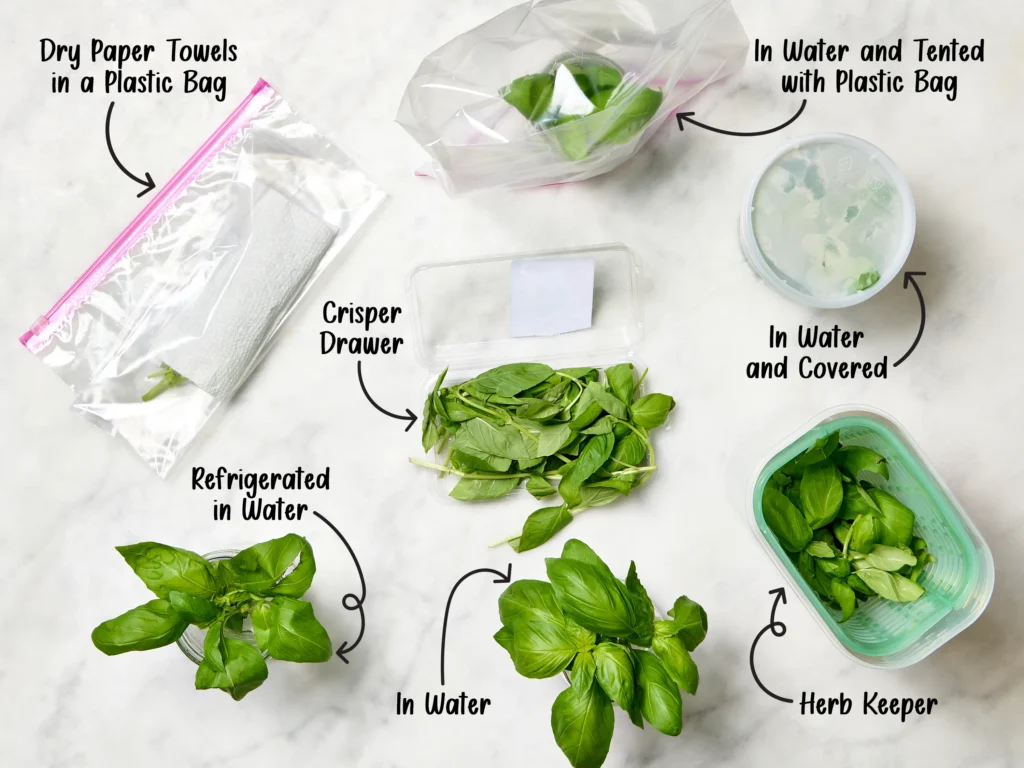
Introduction
Basil is one of the most popular aromatic herbs used in cooking, and its unique flavor pairs well with a variety of dishes, from first courses to second courses. However, basil’s seasonal availability can be a challenge for many cooks. In this article, we will explore various methods for preserving basil, including drying, pickling, and oil-based preservation.
The Benefits of Preserving Basil
Preserving basil allows you to enjoy its flavor and aroma throughout the year, even when fresh basil is out of season. Basil’s health benefits also make it a great addition to any pantry. By learning how to preserve basil, you can:
- Enjoy your favorite dishes year-round
- Access the nutritional benefits of basil, including antioxidants and vitamins
- Reduce food waste by preserving fresh herbs
How to Preserve Basil: Drying
Dried basil is a staple in many cuisines, and it’s easy to make at home. Here’s a simple method for drying basil:
- Harvesting and Cleaning: Harvest your basil leaves, and gently wash them with cold water to remove any dirt or debris.
- Air-Drying: Tie the basil leaves in small bunches and hang them upside down in a warm, dry place with good air circulation. Allow the leaves to air-dry for 1-3 days, depending on the humidity level.
- Slicing and Drying: Once the basil is completely dry, slice it into thin strips or chop it finely.
Tips for Successful Drying
- Use a fan to speed up the drying process
- Hang the basil leaves in a single layer to prevent them from rubbing against each other
- Check on the basil regularly to ensure it doesn’t develop mold or become too brittle
How to Preserve Basil: Pickling
Pickled basil adds a tangy flavor to many dishes, from salads to sauces. Here’s a simple method for pickling basil:
- Harvesting and Cleaning: Harvest your basil leaves, and gently wash them with cold water to remove any dirt or debris.
- Creating the Brine: Combine 1 cup of vinegar (white wine or apple cider), 1/2 cup of water, and 1 tablespoon of sugar in a saucepan. Bring the mixture to a boil, then reduce heat and simmer for 5 minutes.
- Packaging the Basil: Pack the basil leaves into a clean glass jar, leaving about 1 inch of space at the top.
Tips for Successful Pickling
- Use a mason jar with a tight-fitting lid to prevent spoilage
- Keep the pickled basil in the refrigerator to slow down the fermentation process
- Experiment with different flavor combinations, such as adding garlic or lemon juice to the brine
How to Preserve Basil: Oil-Based Preservation
Oil-based preservation is an excellent method for storing fresh basil without losing its flavor or aroma. Here’s a simple method:
- Harvesting and Cleaning: Harvest your basil leaves, and gently wash them with cold water to remove any dirt or debris.
- Creating the Infusion: Combine 1 cup of oil (olive or grapeseed) with 1/4 cup of chopped fresh basil in a clean glass jar. Store the jar in a cool, dark place for at least 2 weeks.
Tips for Successful Oil-Based Preservation
- Use a high-quality oil that won’t become rancid over time
- Store the infused oil in the refrigerator to slow down the oxidation process
- Experiment with different oil ratios and basil quantities to find your preferred flavor profile
Preserving Basil Sottolio
Basil sottolio is an Italian method for preserving basil that involves soaking it in salt water. Here’s how to do it:
- Harvesting and Cleaning: Harvest your basil leaves, and gently wash them with cold water to remove any dirt or debris.
- Creating the Brine: Combine 1 cup of salt (kosher or sea salt) with 1/4 cup of chopped fresh basil in a clean glass jar. Store the jar in a cool, dark place for at least 2 weeks.
Tips for Successful Basil Sottolio
- Use a coarse salt that will help to preserve the basil without overpowering it
- Keep the brine refrigerated to slow down the fermentation process
- Experiment with different flavor combinations, such as adding lemon juice or garlic to the brine
Preserving Basil Fresco
Basil fresco is an excellent way to preserve basil without losing its flavor or aroma. Here’s how to do it:
- Harvesting and Cleaning: Harvest your basil leaves, and gently wash them with cold water to remove any dirt or debris.
- Freezing the Basil: Rinse the basil leaves and pat them dry with a paper towel. Place the basil in an airtight container or freezer bag and store it in the freezer.
Tips for Successful Freezing
- Freeze the basil as soon as possible after harvesting to preserve its flavor and aroma
- Store the frozen basil in a single layer to prevent it from clumping together
- Experiment with different freeze-drying methods, such as using a food dehydrator or oven
Conclusion
Preserving basil is an easy and rewarding process that allows you to enjoy its flavor and aroma throughout the year. By learning how to preserve basil using these methods, you can:
- Access the nutritional benefits of basil
- Enjoy your favorite dishes year-round
- Reduce food waste by preserving fresh herbs
Frequently Asked Questions (FAQs)
- Q: How long does it take to dry basil?
A: The drying time for basil depends on humidity and temperature levels, but typically takes 1-3 days. - Q: Can I freeze dried basil?
A: Yes, you can freeze dried basil, but make sure to store it in an airtight container or freezer bag to maintain its flavor and aroma. - Q: What is the best method for preserving basil?
A: The best method for preserving basil depends on personal preference and usage. Oil-based preservation and pickling are popular methods that allow you to enjoy fresh basil throughout the year. - Q: Can I preserve basil using other methods?
A: Yes, there are several other methods for preserving basil, including smoking, infusing oil with basil, and dehydrating basil leaves. -
Q: How do I store preserved basil?
A: Store preserved basil in an airtight container or jar to maintain its flavor and aroma. Keep it away from direct sunlight, heat sources, and moisture. -
Q: Can I preserve basil in the refrigerator?
A: Yes, you can store pickled or oil-based preserved basil in the refrigerator for up to 2 months. -
Q: Is preserved basil safe to eat?
A: Yes, when done properly, preserving basil using these methods ensures that it remains safe to eat. -
Q: Can I use preserved basil as a substitute for fresh basil?
A: While preserved basil can be used in some recipes, it may not have the same flavor and aroma as fresh basil. Use it sparingly and adjust seasoning accordingly. -
Q: How do I know when my basil is spoiled?
A: Check on your preserved basil regularly for signs of spoilage, such as mold, sliminess, or a sour smell. If you notice any of these signs, discard the basil immediately. -
Q: Can I preserve basil in bulk?
A: Yes, you can preserve basil in bulk using methods like drying, pickling, or oil-based preservation. Just be sure to follow proper storage and handling procedures to maintain the quality of your preserved basil.


