
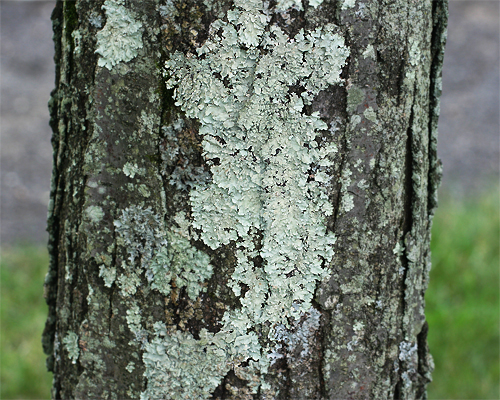
As we walk through nature, we often notice the presence of moss and lichens on tree trunks. While they may seem harmless, these organisms can cause significant damage to trees if left unchecked. In this article, we will delve into the world of moss and lichens, exploring their impact on trees, treatment options, and environmental implications.
Understanding the Relationship Between Moss, Lichens, and Trees
Mosses and lichens are both non-vascular plants that thrive in damp environments. They can be found growing on tree trunks, branches, and even rocks. While they may seem like a nuisance, moss and lichen growth can have significant impacts on the health and longevity of trees.
In many cases, mosses and lichens are beneficial to trees, providing essential nutrients such as nitrogen, phosphorus, and potassium. However, excessive growth can cause problems for trees, leading to issues with bark cracking, branch breakage, and even tree death. In severe cases, the growth can even block sunlight and water from reaching the tree’s roots.
The Dangers of Excessive Moss and Lichens
While mosses and lichens are not typically harmful, excessive growth can cause problems for trees. The weight of the moss or lichen can lead to bark cracking, branch breakage, and even tree death. In severe cases, the growth can even block sunlight and water from reaching the tree’s roots.
For example, in urban areas, excessive moss and lichen growth on tree trunks can be a sign of poor air quality. Lichens are extremely sensitive to pollutants and toxins in the air, making them an excellent indicator of air quality. When lichens grow in abundance, it can indicate that the air is too clean for trees to thrive.
Lichens: A Symptom of Environmental Issues
Lichens are often considered a “canary in the coal mine” for environmental health. These organisms are extremely sensitive to pollutants and toxins in the air, making them an excellent indicator of air quality.
Unfortunately, the increasing presence of lichens is a sign of poor environmental conditions. The decline of lichen populations is a cause for concern, as it can indicate a range of issues, including acid rain, pollution, and climate change.
In addition to their role as an indicator species, lichens also play a crucial role in the ecosystem. They provide food and habitat for various animals, such as insects and birds, and help to break down organic matter.
Treating Moss and Lichens on Tree Trunks
When it comes to treating moss and lichen growth on tree trunks, there are several options available. One of the most effective methods involves using fungicides containing copper or zinc. These products can be applied directly to the affected area, and they’re often safe for trees.
However, it’s essential to choose a fungicide that’s specifically designed for use on tree trunks. Some products can damage bark or harm nearby plants, so it’s crucial to select a product that’s both effective and environmentally friendly.
Some popular options for treating moss and lichen growth include:
- Copper-based fungicides: These are often effective in treating moss and lichen growth, but be sure to follow the instructions carefully and take necessary precautions to avoid harming nearby plants or trees.
- Zinc-based fungicides: These can also be effective in treating moss and lichen growth, but may require more frequent application.
- Organic treatments: For those who prefer organic methods, there are several options available. Some popular choices include vinegar-based products and soap-based solutions.
Preventing Moss and Lichens from Growing
Prevention is often the best approach when it comes to moss and lichen growth on tree trunks. By maintaining good tree health through regular watering, pruning, and fertilization, you can create an environment that discourages the growth of these organisms.
Additionally, using copper-based products or other fungicides can help prevent moss and lichen growth. However, be sure to follow the instructions carefully and take necessary precautions to avoid harming nearby plants or trees.
Some tips for preventing moss and lichen growth include:
- Regularly inspecting your tree trunks for signs of moss and lichen growth
- Watering regularly but avoiding overwatering, which can lead to root rot and other issues
- Pruning branches to improve air circulation and reduce humidity
- Fertilizing trees with a balanced fertilizer that includes essential nutrients like nitrogen, phosphorus, and potassium
Conclusion
Mosses and lichens may seem harmless, but they can cause significant damage to tree trunks if left unchecked. By understanding their relationship with trees and taking steps to prevent growth, we can protect our treasured trees from the negative impacts of these organisms.
In addition to prevention and treatment, it’s essential to address environmental issues that contribute to moss and lichen growth. By working together to improve air quality and reduce pollution, we can create a healthier environment for all living things – including our beloved trees.
Frequently Asked Questions
-
Q: Can I remove moss and lichens from tree trunks myself?
A: While it’s possible to remove moss and lichens yourself, it’s often best to consult with a professional arborist or forester to ensure that the removal process doesn’t harm the tree. -
Q: What is the best way to treat moss and lichen growth on tree trunks?
A: Copper-based fungicides are often effective in treating moss and lichen growth, but be sure to follow the instructions carefully and take necessary precautions to avoid harming nearby plants or trees. -
Q: How can I prevent moss and lichen growth on tree trunks?
A: Maintaining good tree health through regular watering, pruning, and fertilization can help create an environment that discourages moss and lichen growth. -
Q: Can lichens be used as a bioindicator for environmental health?
A: Yes, lichens are extremely sensitive to pollutants and toxins in the air, making them an excellent indicator of air quality. -
Q: How can I protect my trees from the negative impacts of moss and lichen growth?
A: By understanding their relationship with trees, preventing growth through regular maintenance, and treating infestations promptly, you can help protect your treasured trees from the negative impacts of moss and lichens. -
Q: Can I use bleach to treat moss and lichens on tree trunks?
A: No, using bleach is not a recommended treatment option for moss and lichen growth on tree trunks. Bleach can damage bark or harm nearby plants. -
Q: How often should I inspect my trees for moss and lichen growth?
A: Regular inspections (at least once a year) are recommended to catch any infestations early and prevent them from spreading. -
Q: Can I use fungicides containing sulfur on tree trunks?
A: No, using fungicides containing sulfur is not recommended for treating moss and lichen growth on tree trunks. Sulfur can damage bark or harm nearby plants.
Additional Resources
For those looking to learn more about the battle against moss and lichens, there are several additional resources available:
- The United States Forest Service provides guidance on managing moss and lichen growth in urban forests.
- The American Society of Consulting Arborists offers tips for preventing and treating moss and lichen growth.
- The National Park Service provides information on the importance of maintaining healthy tree populations.
By working together to understand and address the issues related to moss and lichens, we can create a healthier environment for all living things – including our beloved trees.


