
As we navigate our daily lives, it’s easy to overlook the tiny molecules that make up our diet. However, certain naturally occurring substances in our food can have a significant impact on our health. One such group of compounds is phenolics, which are widely present in various foods and beverages. In this article, we’ll delve into what phenolics are, where they can be found, their benefits, and how you can incorporate them into your diet.
What are Phenolics?
Phenolics are a heterogeneous group of naturally occurring substances that have been shown to have positive effects on human health. They’re often referred to as “vitamin P” due to their vitamin-like properties. Chemically, phenolics are molecules composed of multiple phenolic rings condensed together, with hydroxyl (-OH) groups attached to an aromatic ring.
Think of phenolics like a team of superheroes working together to protect our cells from damage. They’re made up of various members, each with its own unique powers. Some act as antioxidants, shielding cells from free radicals and helping to prevent chronic diseases. Others have anti-inflammatory properties, reducing inflammation and promoting overall well-being.
Where Can You Find Phenolics?
Phenolics are produced by plants through secondary metabolic processes. They serve different roles depending on their chemical composition, such as defense mechanisms against herbivorous animals or acting as barriers against microbial invasion.
There are three main classes of phenolics: simple phenols, flavonoids, and tannins. Simple phenols are widely present in food and beverages, including coffee, tea, and certain fruits. Flavonoids, on the other hand, can be distinguished by their structure into various families, such as flavonols, flavonoids, isoflavones, anthocyanins, and others.
Phenolics in Wine
In wine, phenolics play a crucial role in color and taste sensations. Flavonols, specifically, influence the chromaticity of white wines, while catechins and leucoanthocyanins are responsible for the instability of white wine colors. Tannins, a type of phenolic compound, contribute to the bitterness and roughness found in red wines.
The amount of phenolics present in wine can vary greatly depending on factors like grape variety, climate, and winemaking techniques. When selecting a wine, consider the type of grapes used and the winemaking process to maximize your phenolic intake.
Phenolics in Oil
In oil, phenolics confer stability, nutritional quality, and health benefits. To understand their role, it’s essential to distinguish between lipophilic phenols, tocoferols, and hydrophilic phenols. Lipophilic phenols are present in other vegetable oils and fats, while hydrophilic phenols are only found in extra virgin olive oil.
In olive oil, you can find specific phenolic compounds like phenolic acids, alcohols, secoreidoids, lignans, and flavonoids. These compounds contribute to the oil’s nutritional value and sensory characteristics.
Phenolics in Grapes
Grapes are one of the richest sources of phenolics, particularly in terms of antioxidant power. They have anti-inflammatory, cardioprotective, anticancerous, antimicrobial, and neuroprotective properties. The amount present can vary greatly between different grape varieties.
When selecting grapes or wine, look for those with high phenolic content to maximize your benefits.
Phenolics as Supplements
Given the numerous health benefits of phenolics, supplements have become increasingly popular. These supplements often contain a combination of flavonoids, tannins, and other phenolic compounds, which can help bridge the gap between diet and health benefits.
When considering supplements, look for products that are rich in phenolic compounds and follow these guidelines:
- Antioxidants protect cells from damage caused by free radicals.
- Anticancerogens protect cells against direct attack by carcinogens.
- Antiatherogenic substances help fight arteriosclerosis and related diseases.
- Phenols always have anti-inflammatory and antibacterial properties.
Phenolics in Vegetables
Phenolics are also present in various vegetables, including coffee, cacao, tea, and others. To increase your intake, prioritize the consumption of fresh and raw vegetables, as cooking can significantly reduce phenolic content.
Some key vegetables to include in your diet are:
- Leafy greens like spinach and kale
- Cruciferous vegetables like broccoli and cauliflower
- Berries like blueberries and strawberries
Foods Rich in Phenolics
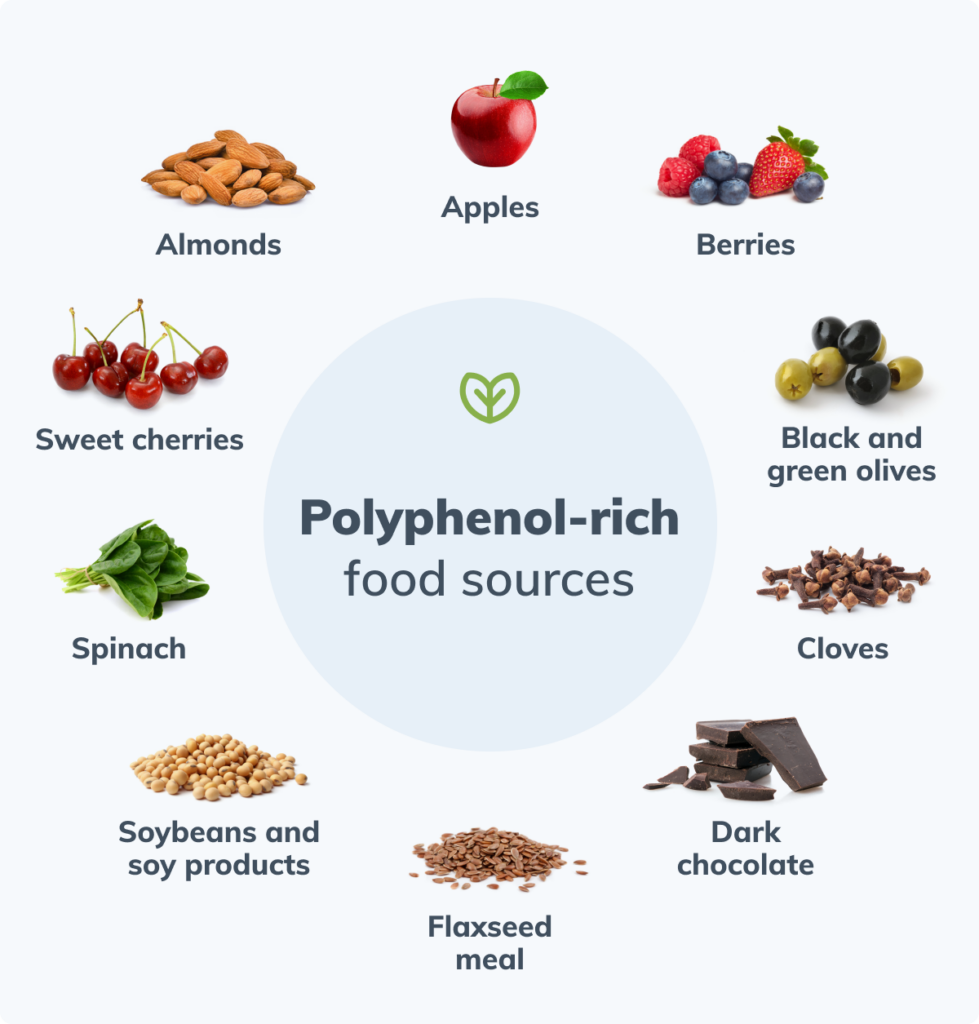
In addition to wine, olive oil, grapes, and vegetables, there are many other foods rich in phenolics. Some of the top phenolic-rich foods include:
- Berries (blueberries, strawberries, raspberries)
- Leafy greens (spinach, kale, collard greens)
- Cruciferous vegetables (broccoli, cauliflower, Brussels sprouts)
- Nuts and seeds (almonds, sunflower seeds, pumpkin seeds)
- Coffee
- Tea
- Cacao
- Dark chocolate
How to Incorporate Phenolics into Your Diet
Incorporating phenolics into your diet is easier than you think. Here are some tips:
- Eat a variety of fruits and vegetables: Focus on fresh and raw produce, as cooking can significantly reduce phenolic content.
- Choose whole grains over processed foods: Whole grains like brown rice, quinoa, and whole wheat bread contain more phenolics than their processed counterparts.
- Incorporate nuts and seeds into your diet: Almonds, sunflower seeds, and pumpkin seeds are all rich in phenolics.
- Drink coffee and tea: Both of these beverages are rich in phenolics, which can help protect against chronic diseases.
- Select olive oil with high phenolic content: Extra virgin olive oil is a rich source of phenolics, particularly hydrophilic phenols.
Conclusion
Phenolics are a fascinating group of compounds that offer a wide range of health benefits. By understanding where they can be found, how they work, and incorporating them into your diet, you can unlock the full potential of these tiny molecules.
Remember to always consume phenolic-rich foods in their natural state, as supplements may not provide the same benefits. With a little knowledge and planning, you can harness the power of phenolics to enhance your overall health and well-being.
Frequently Asked Questions
- What is the best way to get more phenolics in my diet?
Prioritize fresh and raw vegetables, whole grains, and fruits high in polyphenols like berries, citrus fruits, and apples. - Can I find phenolics in processed foods?
While some processed foods may contain phenolic compounds, it’s essential to choose products with minimal processing and added sugars. - Are phenolics safe for everyone?
Phenolics are generally considered safe, but individuals with certain medical conditions or taking medications should consult their healthcare provider before consuming high amounts. - Can I get too much of a good thing?
While phenolics are beneficial, excessive consumption can lead to adverse effects like digestive issues or allergic reactions. - How do I choose the best wine for my health benefits?
Opt for wines with higher polyphenol content and consider the grape variety, climate, and winemaking techniques. - Can I find phenolics in other beverages besides wine?
Yes, other beverages like tea, coffee, and juices may contain phenolic compounds. - Are there any specific foods that are high in phenolics?
Some of the top phenolic-rich foods include:- Berries (blueberries, strawberries, raspberries)
- Leafy greens (spinach, kale, collard greens)
- Cruciferous vegetables (broccoli, cauliflower, Brussels sprouts)
- Nuts and seeds (almonds, sunflower seeds, pumpkin seeds)
- How can I store phenolic-rich foods to maximize their benefits?
Store fresh produce in a cool, dark place, and cook them briefly to preserve the phenolics.
By incorporating phenolics into your diet and lifestyle, you can take a proactive approach to maintaining optimal health and reducing your risk of chronic diseases.


