
Understanding Dopamine
Dopamine is often referred to as the “feel-good” hormone, but it’s more than that. It’s a neurotransmitter that plays a crucial role in regulating various bodily functions, including movement, memory, pleasure, reward, prolactin production, sleep regulation, attention, and cognitive processes.
What Is Dopamine?
Dopamine is a natural molecule produced by the body, which was first synthesized in a laboratory by George Barger and James Ewens. It’s part of the catecholamine family and acts as a messenger between neurons, facilitating communication within the nervous system.
The Role of Dopamine in the Body
Dopamine is responsible for many essential functions, including:
- Regulating movement and motor control
- Managing memory and learning
- Inducing feelings of pleasure and satisfaction
- Modulating reward processing and motivation
- Controlling prolactin production and reproductive hormones
- Regulating sleep-wake cycles and alertness
- Influencing attention and cognitive processes
Dopamine Deficiency: The Link to Parkinson’s Disease
A deficiency in dopamine is closely linked to Parkinson’s disease, a neurodegenerative disorder that affects movement and motor control. Dopamine plays a crucial role in the brain’s reward system, and its imbalance can lead to symptoms such as tremors, rigidity, and bradykinesia.
Dopamine and Serotonin: The Neurotransmitter Duo
Dopamine works together with serotonin to regulate various bodily functions, including mood, appetite, and sleep. This neurotransmitter duo is responsible for inducing a sense of pleasure and satisfaction in response to certain stimuli.
Food and Dopamine: What You Can Eat
A balanced diet rich in essential nutrients can help support dopamine production. Foods that promote dopamine release include:
- Leafy greens (such as spinach, kale, and collard greens)
- Cruciferous vegetables (like broccoli, cauliflower, and Brussels sprouts)
- Berries (including blueberries, strawberries, and raspberries)
- Nuts and seeds (rich in tyrosine, an amino acid that supports dopamine production)
- Fatty fish (such as salmon, tuna, and mackerel)
Foods to Avoid
Certain foods can negatively impact dopamine levels:
- Processed meats
- Refined sugars
- Caffeine
- Foods high in saturated fats
On the other hand, foods rich in antioxidants and omega-3 fatty acids can support overall health and well-being.
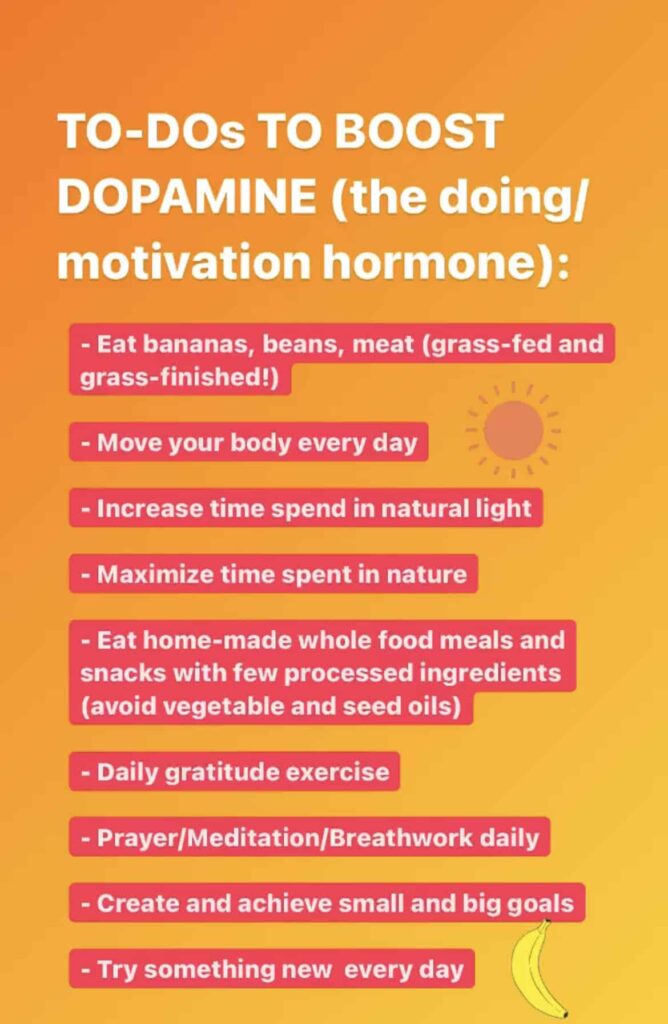
Efforts to Support Dopamine Production
To promote healthy dopamine levels:
- Exercise regularly: Physical activity stimulates dopamine release.
- Get enough sleep: Adequate rest helps regulate dopamine production.
- Eat a balanced diet: Include foods that support dopamine production.
- Manage stress: Chronic stress can negatively impact dopamine levels.
Conclusion
Dopamine is an essential neurotransmitter that plays a vital role in regulating various bodily functions. Understanding its importance and how to boost its levels can lead to improved overall health and well-being.


