
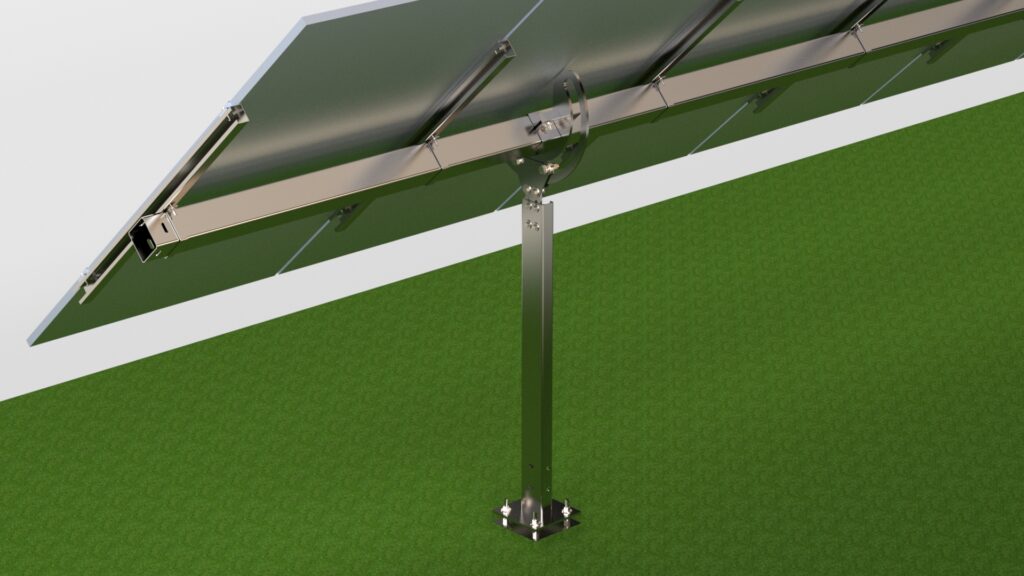
As a homeowner or business owner, you’re likely aware of the importance of maximizing your solar panel system’s efficiency. One way to do this is by using a solar tracker, also known as an inseguitore solare in Italian. In this article, we’ll explore what a solar tracker does, its benefits, and how to choose the right one for your solar panel system.
What is a Solar Tracker?
A solar tracker is a device that follows the sun’s movement throughout the day to optimize energy production from your solar panels. It works by adjusting the angle of the panels to ensure they receive maximum sunlight, even when the sun is not directly overhead.
There are different types of solar trackers, including monoassial and biassial models. Monoassial trackers follow the sun in a single axis, while biassial trackers can move in both axes. The type of tracker you choose depends on your location, climate, and budget.
Types of Solar Trackers
Here are some common types of solar trackers:
- Monoassial Tracker: This is the most basic type of tracker, which follows the sun in a single axis. It’s suitable for smaller solar panel systems and has lower costs.
- Biassial Tracker: This type of tracker can move in both axes, making it more efficient than monoassial trackers. However, it also comes with higher costs.
- Tilt-Only Tracker: This type of tracker only adjusts the angle of the panels to follow the sun’s movement. It’s suitable for systems with a fixed orientation and lower costs.
- Rolling Tracker: This type of tracker follows the sun by rolling horizontally, making it more efficient than tilt-only trackers. However, it also comes with higher costs.
Benefits of Solar Trackers
Solar trackers offer several benefits, including:
- Increased Energy Production: By adjusting to the sun’s movement, solar trackers can increase energy production by up to 40%.
- Lower Costs: While solar trackers may have higher upfront costs, they can pay for themselves over time through increased efficiency and reduced maintenance.
- Improved System Reliability: Solar trackers can help reduce system downtime due to weather conditions or shading.
Choosing the Right Solar Tracker
When choosing a solar tracker, consider the following factors:
- Climate: If you live in an area with extreme temperatures or weather conditions, choose a tracker that’s designed for your climate.
- Budget: Consider the upfront costs and potential savings over time when choosing a tracker.
- System Size: Choose a tracker that’s suitable for your solar panel system size and complexity.
Types of Solar Trackers Based on Technology
There are different types of solar trackers based on their technology:
- Mechanical Trackers: These trackers use mechanical components to move the panels, such as gears or motors.
- Hydraulic Trackers: These trackers use hydraulic pressure to move the panels, which can be more efficient than mechanical trackers.
- Electric Trackers: These trackers use electric motors to move the panels, which can be more efficient than mechanical or hydraulic trackers.
Types of Solar Trackers Based on Mounting
There are different types of solar trackers based on their mounting:
- Fixed Mounts: These trackers have a fixed position and follow the sun’s movement using a single axis.
- Tilt-Only Mounts: These trackers only adjust the angle of the panels to follow the sun’s movement.
- Two-Axis Mounts: These trackers can move in both axes, making them more efficient than fixed or tilt-only mounts.
Benefits of Solar Trackers Based on Technology
Different technologies used in solar trackers have different benefits:
- Mechanical Trackers: Mechanical trackers are less expensive to install and maintain but may not be as efficient as hydraulic or electric trackers.
- Hydraulic Trackers: Hydraulic trackers can move the panels more efficiently than mechanical trackers, which can lead to increased energy production.
- Electric Trackers: Electric trackers can move the panels more efficiently than hydraulic trackers, which can lead to increased energy production.
Benefits of Solar Trackers Based on Mounting
Different mounting systems used in solar trackers have different benefits:
- Fixed Mounts: Fixed mounts are less expensive to install and maintain but may not be as efficient as tilt-only or two-axis mounts.
- Tilt-Only Mounts: Tilt-only mounts can improve energy production by adjusting the angle of the panels, which can lead to increased efficiency.
- Two-Axis Mounts: Two-axis mounts can move in both axes, making them more efficient than fixed or tilt-only mounts.
Cost Comparison of Solar Trackers
Here’s a cost comparison of different types of solar trackers:
- Monoassial Tracker: $15,000 – $30,000
- Biassial Tracker: $20,000 – $50,000
- Tilt-Only Tracker: $10,000 – $25,000
- Rolling Tracker: $30,000 – $75,000
Return on Investment (ROI) of Solar Trackers
The ROI of solar trackers depends on various factors, including the type of tracker, climate, and system size. Here are some estimated ROIs for different types of solar trackers:
- Monoassial Tracker: 10-15 years
- Biassial Tracker: 8-12 years
- Tilt-Only Tracker: 12-18 years
- Rolling Tracker: 10-15 years
Conclusion
Solar trackers are an effective way to maximize energy production from solar panels. When choosing a solar tracker, consider factors such as climate, budget, and system size. There are different types of solar trackers based on technology and mounting systems, each with its own benefits and costs. By understanding the benefits and considerations of solar trackers, you can make an informed decision about choosing the right one for your solar panel system.
Frequently Asked Questions
Here are some frequently asked questions about solar trackers:
- How much can I expect to save on my energy bills by using a solar tracker?
- The amount of savings will depend on your location, climate, and solar panel system size.
- What is the average lifespan of a solar tracker?
- Most solar trackers have an average lifespan of 10-15 years, depending on quality and maintenance.
- Can I install a solar tracker myself?
- While it’s possible to install a solar tracker yourself, it may be more challenging than expected. Consider hiring a professional if you’re not experienced with solar panel systems.
Additional Resources
Here are some additional resources for learning more about solar trackers:
- National Renewable Energy Laboratory (NREL): NREL is a leading research organization that provides information on solar trackers and other renewable energy technologies.
- Solar Energy Industries Association (SEIA): SEIA is a trade association that represents the solar industry and provides information on solar trackers and other solar energy technologies.
- International Renewable Energy Agency (IRENA): IRENA is an intergovernmental organization that promotes the adoption of renewable energy technologies, including solar trackers.


