
In recent years, smart working has become an increasingly popular trend. The COVID-19 pandemic has accelerated its adoption, forcing people to work from home and adopt digital solutions to stay connected. One such solution is digital signatures.
Understanding the Importance of Digital Signatures in a Remote Work Environment
Digital signatures are electronic documents that are linked to a unique identifier, making it possible to authenticate the signatory’s identity and ensure the integrity of the document. This technology has become an essential tool for businesses, governments, and individuals to electronically sign documents, reducing the need for physical signatures.
What is Digital Signatures?
Digital signatures are electronic documents that are linked to a unique identifier, making it possible to authenticate the signatory’s identity and ensure the integrity of the document. This technology has become an essential tool for businesses, governments, and individuals to electronically sign documents, reducing the need for physical signatures.
The Benefits of Digital Signatures in Smart Working
Digital signatures have numerous benefits in a smart working environment. Here are some of the most significant advantages:
- Increased Efficiency: Digital signatures eliminate the need for physical documentation, reducing the time and effort required to process transactions.
- Improved Security: Digital signatures ensure that documents are tamper-proof, preventing unauthorized changes or alterations.
- Enhanced Trust: Digital signatures provide a high level of assurance that the signer is who they claim to be, building trust between parties.
Applications of Digital Signatures in Smart Working
Digital signatures have various applications in smart working, including:
- Business-to-Business Contracts: Digital signatures enable businesses to sign contracts remotely, reducing costs and increasing efficiency.
- Remote Employee Verification: Digital signatures can be used to verify the identity of remote employees, ensuring compliance with regulations and laws.
- Document Management: Digital signatures help streamline document management by eliminating the need for physical storage.
The Future of Digital Signatures
As technology continues to evolve, digital signatures will play an increasingly important role in smart working. Here are some trends to watch:
- Artificial Intelligence (AI): AI-powered digital signatures will enable faster and more efficient signing processes.
- Cloud-Based Services: Cloud-based digital signature services will provide greater flexibility and accessibility.
Conclusion
Digital signatures have revolutionized the way we work, providing a secure, efficient, and trustworthy solution for remote transactions. As smart working continues to grow, digital signatures will become an essential tool for businesses and individuals alike. By understanding the benefits and applications of digital signatures, you can unlock new possibilities for your organization.
Frequently Asked Questions (FAQs)
- What is a digital signature?
- A digital signature is an electronic document that is linked to a unique identifier, ensuring the authenticity and integrity of the signer.
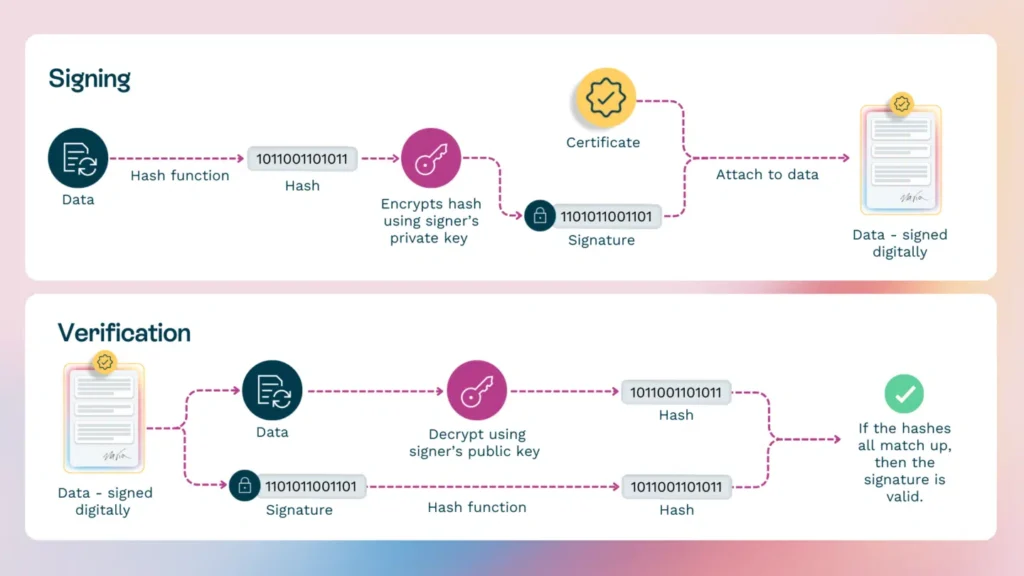
- How does digital signature work?
- Digital signatures use encryption and decryption techniques to verify the identity of the signer and ensure the security of the document.
- What are the benefits of using digital signatures in smart working?
- Digital signatures provide increased efficiency, improved security, and enhanced trust between parties.
- Can I use digital signatures for all types of documents?
- While digital signatures can be used for most documents, they may not be suitable for all types of transactions or agreements.
By answering these FAQs, you can gain a better understanding of the role of digital signatures in smart working and how they can benefit your organization.


