
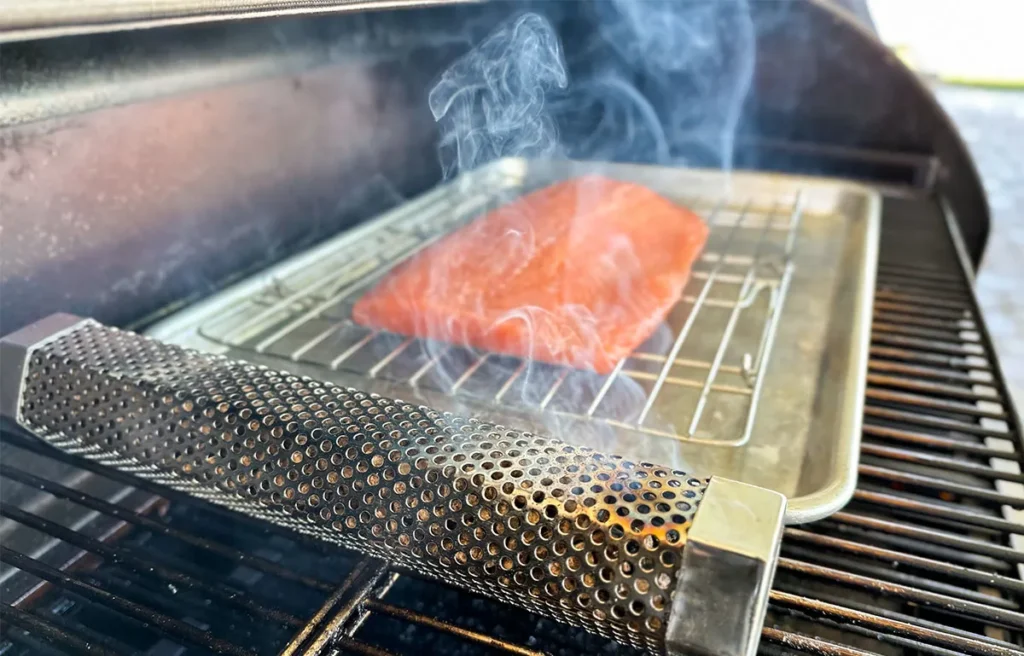
Smoking food, whether hot or cold, is a traditional technique used worldwide in various cuisines. The cold smoking method, similar to hot smoking, allows cooks to infuse flavors into their dishes by using the smoke from burning wood, which adds depth and complexity to the product.
While many people have recently rediscovered hot and cold smoking, this practice has been around for centuries and can be easily replicated at home with some basic knowledge. Let’s dive in together to explore the key aspects of cold smoking!
Contents
- What is Cold Smoking?
- How to Do Cold Smoking
- Differences between Hot and Cold Smoking
- Benefits of Cold Smoking
- Common Challenges and Solutions
- Tips for Beginners
- Advanced Techniques
- Conclusion
- Frequently Asked Questions
What is Cold Smoking?
Cold smoking is a technique that involves infusing flavors into food using smoke, similar to hot smoking. However, unlike hot smoking, cold smoking uses lower temperatures and longer exposure times to achieve the desired flavor profile.
This method can be applied to various foods, including meats, fish, cheeses, teas, and even liquors. The goal is to add a rich, smoky flavor without cooking or heating the product.
How to Do Cold Smoking
The cold smoking process involves burning a specific type of wood, which should have low resin content to ensure the best results.
The fumes from this combustion are then used to infuse flavors into the food. The key is to control the temperature and exposure time to achieve the perfect balance of flavor.
Differences between Hot and Cold Smoking
Hot smoking involves exposing food to high temperatures (50-85°C) for a short period, typically 2-3 hours. In contrast, cold smoking uses lower temperatures (20-25°C) for an extended period, often several days or even weeks.
The result is a more subtle, complex flavor profile that is characteristic of cold-smoked products.
Benefits of Cold Smoking
So why use cold smoking? Here are some benefits:
- Improved flavor: The low and slow process allows flavors to penetrate the food deeply, resulting in a more intense and complex taste experience.
- Increased control: With cold smoking, you have more control over the temperature, exposure time, and type of wood used, allowing for a higher degree of customization.
- Food safety: Cold smoking is generally considered safer than hot smoking because it doesn’t require heating food to an extremely high temperature.
Common Challenges and Solutions
One common challenge when starting cold smoking is achieving consistent results. Here are some solutions:
- Temperature control: Invest in a smoker with precise temperature control or use a thermometer to monitor the temperature.
- Humidity control: Maintain a humid environment by using a humidifier or misting the food regularly.
- Wood selection: Choose a wood type that complements the flavor profile you’re aiming for and has low resin content.
Tips for Beginners
Here are some tips for beginners:
- Start with small batches: Begin with small quantities to ensure consistent results and avoid over-smoking or under-smoking.
- Experiment with different woods: Try different types of wood to find the one that works best for your food and desired flavor profile.
- Keep records: Keep a record of your smoking experiments, including temperature, exposure time, and results. This will help you refine your technique over time.
Advanced Techniques
Once you’ve mastered the basics of cold smoking, here are some advanced techniques to explore:
- Layered smokes: Experiment with layering different types of smoke to create unique flavor profiles.
- Wood blending: Combine different wood types to create complex and nuanced flavors.
- Infused woods: Infuse your own wood chips or chunks with herbs, spices, or other ingredients for added depth.
Conclusion
Cold smoking is an art that requires patience, practice, and experimentation. By understanding the basics of cold smoking and mastering the technique, you can unlock new flavors and possibilities in your cooking.
Whether you’re a seasoned chef or a curious home cook, cold smoking offers endless opportunities for creativity and discovery. So why not give it a try? Your taste buds will thank you!
Frequently Asked Questions
- What is the best type of wood to use for cold smoking?
- Popular choices include beech, alder, and applewood.
- How long does cold smoking take?
- The time required can vary greatly depending on the food, temperature, and desired level of flavor development. Typically, it ranges from a few days to several weeks.
- Can I use hot smoking instead of cold smoking?
- Hot smoking is not recommended for achieving the same level of flavor complexity as cold smoking. It’s best suited for products that require high temperatures and short exposure times.
- Is cold smoking safe?
- When done correctly, cold smoking is a safe process. However, improper use or neglect of food safety guidelines can lead to contamination or other issues. Always follow proper food handling and storage practices.
- Can I smoke fish at home?
- Yes! Fish is an excellent candidate for cold smoking. Just be sure to follow the recommended temperature and exposure times to avoid over-smoking or under-smoking.
- How do I maintain my affumicatore?
- Regularly clean and inspect your smoker to ensure proper function and longevity.
Additional Resources
For more information on cold smoking, check out these resources:
- Cold Smoking Guide: A comprehensive guide to cold smoking, covering topics from basic techniques to advanced methods.
- Smoking for Beginners: A beginner’s guide to smoking, including tips and tricks for getting started with hot and cold smoking.
- Smoker Reviews: In-depth reviews of smokers and smoker accessories, helping you choose the right equipment for your needs.
By following these guidelines and exploring the world of cold smoking, you can unlock new flavors and possibilities in your cooking. Happy smoking!


