
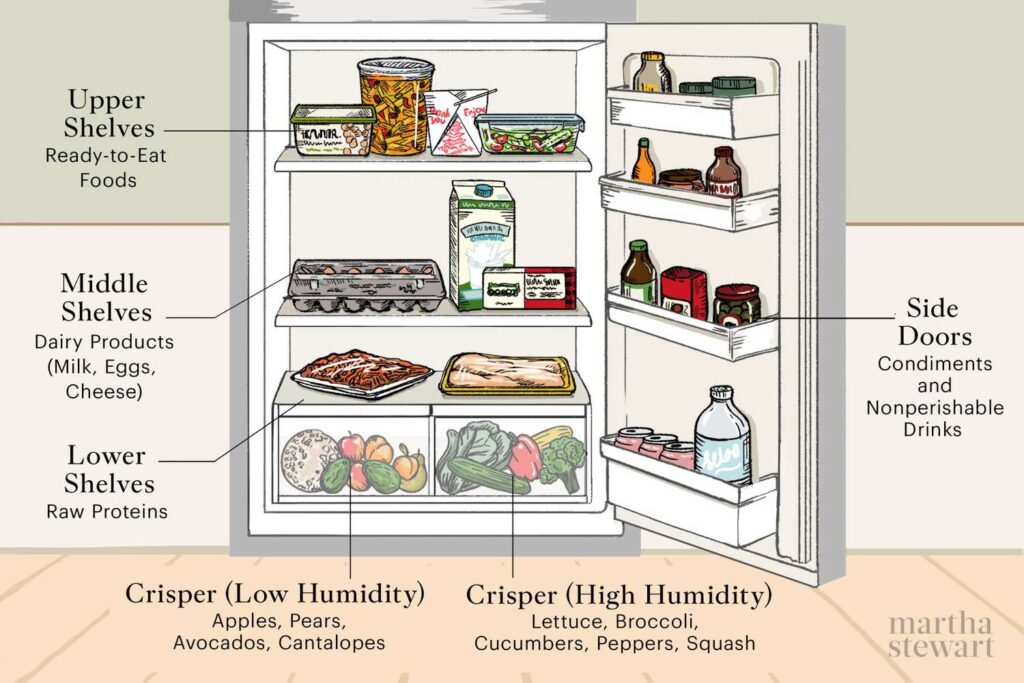
As we strive to reduce food waste and optimize our grocery shopping, understanding how to store food properly in the refrigerator becomes increasingly important. Unlike Tetris, arranging your fridge contents isn’t a game; it’s a critical aspect of maintaining freshness, preventing spoilage, and ensuring the longevity of your food. In this article, we will delve into the world of refrigerator organization, exploring the best practices for storing various types of food to maximize their shelf life.
The Importance of Fridge Organization
A well-organized fridge is not just aesthetically pleasing; it also helps you:
- Easily locate ingredients and reduce food waste
- Avoid overcooking or undercooking your meals due to expired or spoiled food
- Keep your refrigerator running efficiently by ensuring good air circulation
Understanding Fridge Temperature Zones
Your refrigerator has several temperature zones, each designed for specific types of food. By understanding these zones, you can:
- Store perishable items at the optimal temperature range (around 5°C)
- Prevent bacterial growth and spoilage
- Maintain the quality and safety of your food
Zone 1: The Deli Section (Door Shelf)
The door shelf is the coldest part of your refrigerator, making it ideal for:
- Storing cheese, butter, and other dairy products
- Placing raw meat and poultry to prevent cross-contamination
- Keeping condiments and sauces at a consistent temperature
Zone 2: The Middle Shelves
The middle shelves are typically set at around 4°C, making them suitable for:
- Storing vegetables, fruits, and cut meats
- Placing cooked leftovers to cool down quickly
- Maintaining the freshness of prepared meals
Zone 3: The Top Shelves
The top shelves are usually set at a slightly higher temperature (around 5°C), making them ideal for:
- Storing ready-to-eat foods, such as sandwiches and salads
- Keeping baked goods, like bread and pastries, fresh
- Maintaining the quality of frozen meals
Tips for Optimizing Fridge Organization
To get the most out of your refrigerator’s storage capacity, follow these expert tips:
- Use Airtight Containers: Store food in airtight containers to prevent moisture and other contaminants from entering.
- Label Your Shelves: Clearly label each shelf with its corresponding temperature zone to ensure you store food correctly.
- Keep Raw Meat Separate: Store raw meat, poultry, and seafood in sealed bags or containers to prevent cross-contamination.
- Consume Perishable Items First: Regularly check the expiration dates of your stored food and consume perishable items before they spoil.
Understanding Food Storage Containers
Proper storage containers are crucial for maintaining the freshness and safety of your food. Consider using:
- Glass or plastic containers with tight-fitting lids
- Reusable bags or wrap for storing fruits, vegetables, and leftovers
- Vacuum-sealed containers for meats and cheeses
Maximizing Your Fridge’s Storage Capacity
To make the most of your refrigerator’s storage capacity, consider these expert tips:
- Store Food in a Hierarchical Order: Place larger items at the bottom shelves, followed by smaller items on top.
- Utilize Vertical Space: Use stackable containers or baskets to maximize vertical space and reduce clutter.
- Keep Frequently Used Items Accessible: Store frequently used items in easy-to-reach locations to save time and effort.
Fridge Maintenance and Cleaning
Regularly cleaning and maintaining your refrigerator is essential for preventing bacterial growth, reducing odors, and ensuring optimal performance. Consider the following:
- Wipe down shelves and walls with a damp cloth every week
- Clean up spills immediately to prevent stains and odors
- Check expiration dates regularly and dispose of expired items
Conclusion
By understanding the importance of fridge organization and applying these expert tips, you can:
- Extend the shelf life of your food
- Reduce food waste and save money on grocery bills
- Maintain a clean and hygienic refrigerator that’s easy to navigate
Remember, a well-organized refrigerator is not just a matter of convenience; it’s also essential for maintaining the quality and safety of your food.
Frequently Asked Questions
- Q: What temperature should I set my refrigerator at?
A: The ideal temperature range for most refrigerators is between 3°C and 5°C. - Q: How often should I clean my refrigerator?
A: Regularly wipe down your refrigerator’s shelves, walls, and floor with a damp cloth to prevent bacterial growth and maintain cleanliness. - Q: Can I store cooked meals in the refrigerator?
A: While it’s generally safe to store cooked meals in the refrigerator, it’s essential to cool them down quickly to prevent bacterial growth. - Q: What is the best way to store raw meat, poultry, and seafood?
A: Store these items in sealed bags or containers to prevent cross-contamination and maintain their freshness. - Q: Can I store fruits and vegetables at room temperature?
A: While some fruits and vegetables can be stored at room temperature, others require refrigeration to maintain their quality and safety.
By applying these expert tips and understanding the importance of fridge organization, you’ll be well on your way to creating a clean, efficient, and safe refrigerator that meets your needs.


