
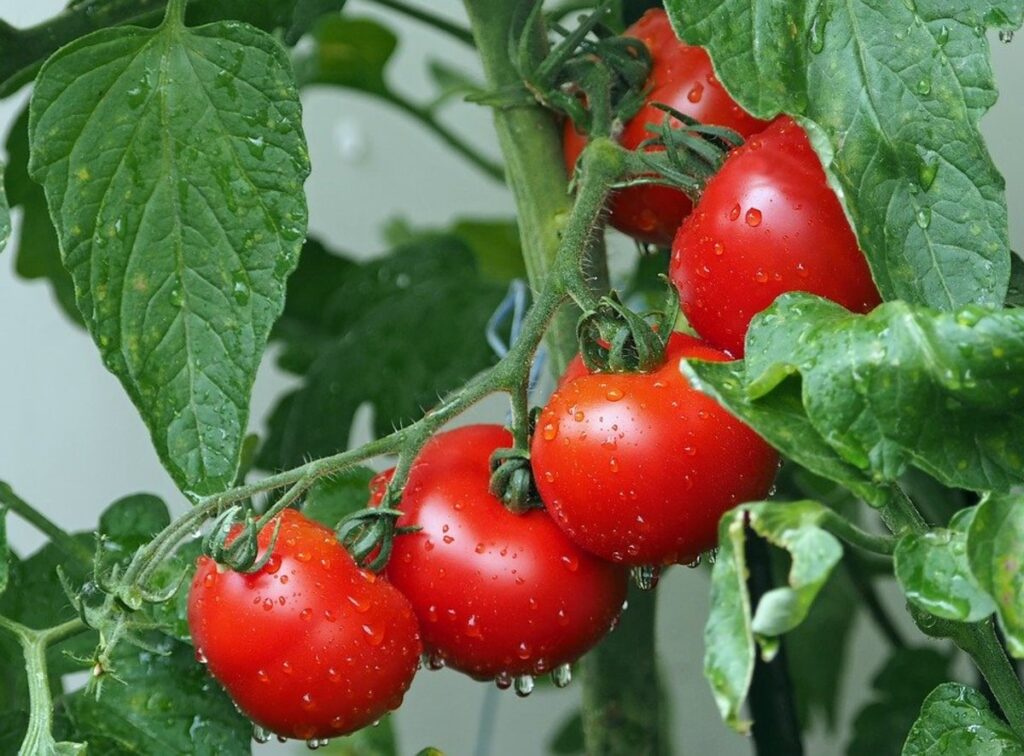
Tomato plants are one of the most popular garden crops, and for good reason. They’re easy to grow, delicious, and versatile in a variety of dishes. However, like all plants, tomatoes require specific nutrients to thrive. In this article, we’ll explore the importance of micronutrients for tomato plants, the role of macronutrients, and how to choose the right fertilizer for your garden.
Understanding the Importance of Micronutrients for Tomato Plants
Just like humans, plants can suffer from nutrient deficiencies, which can lead to a range of problems. A soil lacking certain micronutrients can predispose tomato plants to a multitude of diseases and make them more fragile. Micronutrients such as copper, manganese, iron, zinc, boron, and molybdenum play a vital role in plant growth and development.
Copper is essential for plant defense against pathogens and pests, while manganese helps with photosynthesis and energy production. Iron is necessary for chlorophyll production, which gives plants their green color and allows them to absorb sunlight. Zinc is involved in protein synthesis and cell division, while boron plays a role in plant cell wall development. Molybdenum is essential for nitrogen fixation, which converts atmospheric nitrogen into a form that plants can use.
The Macronutrient Advantage: Why Tomatoes Need Specific Nutrients
For humans, macronutrients such as protein, fat, and carbohydrates are essential for growth and development. For tomato plants, the picture is different. The key nutrients they need to thrive include:
- Nitrogen (N)
- Phosphorus (P)
- Potassium (K)
- Calcium (Ca)
- Sulfur (S)
- Magnesium (Mg)
These macronutrients are crucial for plant growth and development, and a balanced fertilizer that provides them in the right proportions is essential for optimal tomato production.
Nitrogen promotes leaf growth and green color, while phosphorus is involved in root development and flower formation. Potassium helps regulate water balance within the plant, while calcium supports cell wall structure and strength. Sulfur plays a role in plant defense against pests and diseases, and magnesium is necessary for photosynthesis.
The Role of Micronutrients: Unlocking Growth Potential
Micronutrients such as copper, manganese, iron, zinc, boron, and molybdenum play a vital role in plant growth and development. They act as “activators of growth” and are often at the root of problems when plants are not receiving enough nutrients.
Copper helps regulate plant hormone activity, while manganese is involved in photosynthesis and energy production. Iron is necessary for chlorophyll production, which gives plants their green color and allows them to absorb sunlight. Zinc is involved in protein synthesis and cell division, while boron plays a role in plant cell wall development.
Molybdenum is essential for nitrogen fixation, which converts atmospheric nitrogen into a form that plants can use. This process is critical for the production of amino acids, which are the building blocks of proteins.
The Importance of Soil pH
Soil pH can greatly impact nutrient availability to tomato plants. Most plants thrive in a slightly acidic to neutral soil pH, between 6.0 and 7.0.
If your soil pH is too low, it may be necessary to add lime to raise the pH. If your soil pH is too high, it may be necessary to add peat moss or sulfur to lower the pH.
Choosing the Right Fertilizer for Your Tomato Plants
With so many fertilizers available on the market, it can be overwhelming to choose the right one for your tomato plants. When selecting a fertilizer, look for products that contain the necessary nutrients in balanced proportions.
Consider the following factors when choosing a fertilizer:
- Nutrient type (macronutrients or micronutrients)
- Soil pH
- Plant growth stage (vegetative or fruiting)
- Climate and region
The Power of Organic Fertilizers
Organic fertilizers are becoming increasingly popular among gardeners due to their environmental benefits and ability to promote healthy plant growth. They release nutrients as they break down, providing a slow and steady supply of nutrients to plants.
Some examples of organic fertilizers include:
- Fish bone meal
- Alfalfa meal
- Composted manure
- Manure tea
Top Tips for Applying Fertilizer to Your Tomato Plants
- Make sure your tomato plants are well-watered before applying fertilizer.
- Use a balanced fertilizer that contains the necessary macronutrients in proportions.
- Apply fertilizer according to package instructions or follow our top tips below.
Fertilizing Tomatoes in Vases: Dos and Don’ts
When it comes to fertilizing tomatoes in vases, it’s essential to use a balanced fertilizer that is specifically designed for container-grown plants. Here are some dos and don’ts to keep in mind:
- Use a small amount of fertilizer (about 1-2 teaspoons per plant) to avoid burning the roots.
- Water your tomato plant thoroughly after applying fertilizer to ensure optimal nutrient uptake.
Fertilizing Tomatoes in the Ground: A Step-by-Step Guide
When it comes to fertilizing tomatoes in the ground, there are a few things to keep in mind:
- Use a balanced fertilizer that contains the necessary macronutrients in proportions.
- Apply fertilizer according to package instructions or follow our top tips below.
Common Fertilizer Mistakes and How to Avoid Them
- Don’t over-fertilize your tomato plants, as this can lead to an overload of nutrients and damage to the plant.
- Don’t fertilize your tomato plants too frequently, as this can cause burnout and reduce yields.
Some common fertilizer mistakes include:
- Over-fertilizing
- Under-fertilizing
- Not following package instructions
To avoid these mistakes, always read the label carefully and follow package instructions.
Conclusion: Unlocking Optimal Tomato Yield with Balanced Fertilizers
By following these top tips and choosing the right fertilizer for your tomato plants, you’ll be well on your way to unlocking optimal yield and growing delicious, healthy tomatoes all season long. Remember to choose a balanced fertilizer that contains the necessary macronutrients in proportions, and don’t over-fertilize or under-fertilize your plants.
Frequently Asked Questions (FAQs)
- What are the most important micronutrients for tomato plants?
The most important micronutrients for tomato plants include copper, manganese, iron, zinc, boron, and molybdenum.
- How often should I fertilize my tomato plants?
Fertilize your tomato plants every 1-2 weeks during the growing season, depending on their nutrient needs.
- Can I use a balanced fertilizer for all my plants?
While a balanced fertilizer can be beneficial for many plants, it’s not always the best choice for tomato plants. Look for fertilizers that contain specific nutrients and macronutrients tailored to your plant’s needs.
- How do I choose the right fertilizer for my container-grown tomatoes?
When choosing a fertilizer for your container-grown tomatoes, look for products specifically designed for container-grown plants and follow package instructions carefully.
- What are some common fertilizer mistakes and how can I avoid them?
Common fertilizer mistakes include over-fertilizing, under-fertilizing, and not following package instructions. To avoid these mistakes, always read the label carefully and follow package instructions.
- How do I apply fertilizer to my tomato plants in vases?
When applying fertilizer to your tomato plant in a vase, use a small amount (about 1-2 teaspoons per plant) and water thoroughly after application.
- What are some organic fertilizer options for tomatoes?
Some organic fertilizer options for tomatoes include fish bone meal, alfalfa meal, and composted manure.
- Can I grow tomatoes in poor soil?
While it’s possible to grow tomatoes in poor soil, it’s often more challenging and may require additional fertilization and care. To improve soil quality, consider adding organic matter like compost or manure to your soil.


