
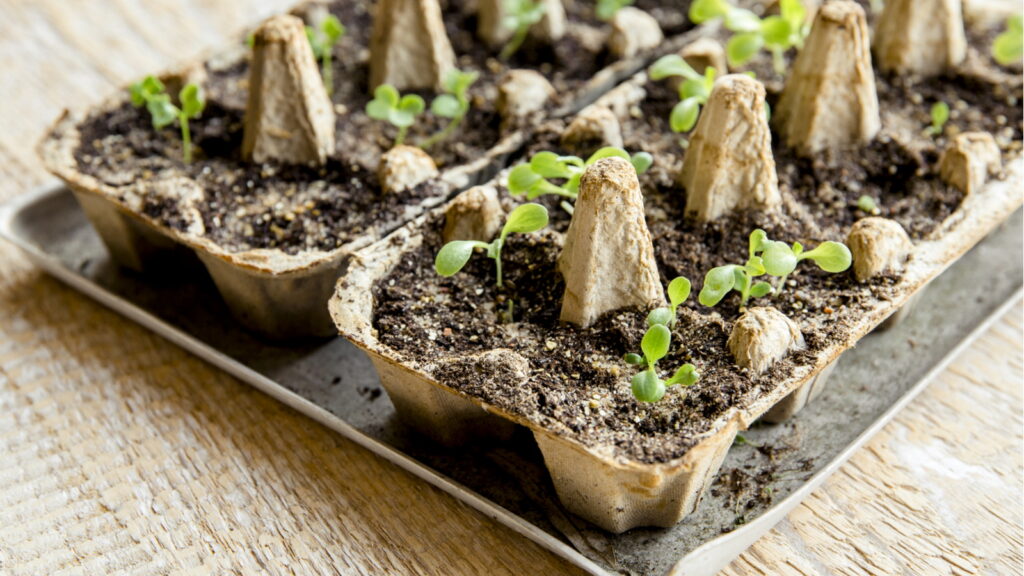
As an avid gardener, you’re likely familiar with the importance of providing optimal conditions for your seedlings to grow. But have you ever wondered how to create a thriving environment for your young plants? In this article, we’ll explore the basics of creating a successful seedling tray, from preparing the materials to selecting the right equipment.
What Makes a Good Seedling Tray?
A well-designed seedling tray should provide the following essential elements:
- A substrate for growth
- Adequate air circulation
To create a perfect environment for your seedlings, you’ll need to select the right materials and design your tray accordingly. Let’s dive into the details.
Materials Needed
You can start with a basic setup using a container or even an old ice cream bucket! Simply drill holes in the bottom for proper drainage and add a suitable substrate.
- Substrate Options: You can use store-bought potting soil, but you can also repurpose other materials like:
- Water-absorbing paper (like Scottex) soaked in water
- Fertilized liquid (optional)
- Container: A plastic container or a DIY setup using cardboard and tape
Additional Considerations
- Lighting: Some plants require specific light conditions, so you may need to invest in supplemental lighting.
- Temperature control: Some seedlings are sensitive to temperature fluctuations, so it’s essential to maintain a consistent environment.
Commercial Options
If you’re short on time or prefer the convenience of a pre-made solution, there are many commercial seedling trays available. These products often come with built-in temperature control and adjustable lighting.
- Temperature-Controlled Seedlings: Some products, like the Grand Top from Amazon, offer precise temperature control between 0°C to 40°C.
- Compact Designs: Look for compact designs that fit your space and budget.
Budget-Friendly Options
If you’re on a tighter budget, consider DIY-ing a seedling tray or looking for affordable options online. You can find:
- Used Containers: Repurpose old containers or buy second-hand ones.
- Cheap Substrates: Look for affordable substrates at your local nursery or online.
Tips for Optimal Growth
To ensure optimal growth, consider the following tips:
- Monitor Temperature: Keep an eye on temperature fluctuations to avoid overheating or chilling your seedlings.
- Adjust Lighting: Provide the right amount of light for your plants. Too little, and they may become leggy; too much, and they may become scorched.
- Maintain Humidity: Ensure adequate humidity around your seedlings. You can use a humidifier or cover the tray with a clear plastic bag to maintain moisture.
Common Mistakes and Solutions
- Overwatering: Make sure not to overwater your seedlings. Check for waterlogged soil, and adjust your watering schedule accordingly.
- Under- or Over-Lightening: Be mindful of the amount of light you provide. Too little, and your plants may struggle; too much, and they may become scorched.
Conclusion
Starting a seedling tray is easier than you think! By following these simple steps and considering the right materials, you can create a thriving environment for your young plants. Whether you choose a DIY setup or invest in commercial equipment, remember to prioritize temperature control, air circulation, and proper lighting for optimal growth.
Frequently Asked Questions
- What’s the best substrate for seedlings?
- A suitable substrate should be absorbent, well-draining, and fertile.
- How do I choose the right container for my seedling tray?
- Consider size, material, and drainage when selecting a container.
- Can I use any type of lighting for seedlings?
- Different plants require specific light conditions; research your plant’s needs before investing in lighting.
-
How do I maintain temperature control for my seedlings?
- Use thermometer-controlled equipment or adjust your environment to provide consistent temperatures.
-
What are some budget-friendly options for creating a seedling tray?
- Consider DIY-ing a tray, repurposing containers, or looking for affordable substrates.
- Can I reuse old containers as seedling trays?
- Yes! Clean and prepare the container for optimal growth.
- How do I ensure proper air circulation in my seedling tray?
- Drill holes for drainage and provide adequate space between plants to promote healthy growth.
-
What are some common mistakes when starting a seedling tray?
- Overwatering, under- or over-lighting, and poor substrate quality can hinder growth.
-
Can I start seeds directly in the soil, or do I need to use a tray first?
- Both methods have their benefits; consider your plants’ needs and available space when deciding.
- How long does it take for seedlings to mature?
- Growth rates vary depending on factors like lighting, temperature, and nutrient quality.


