
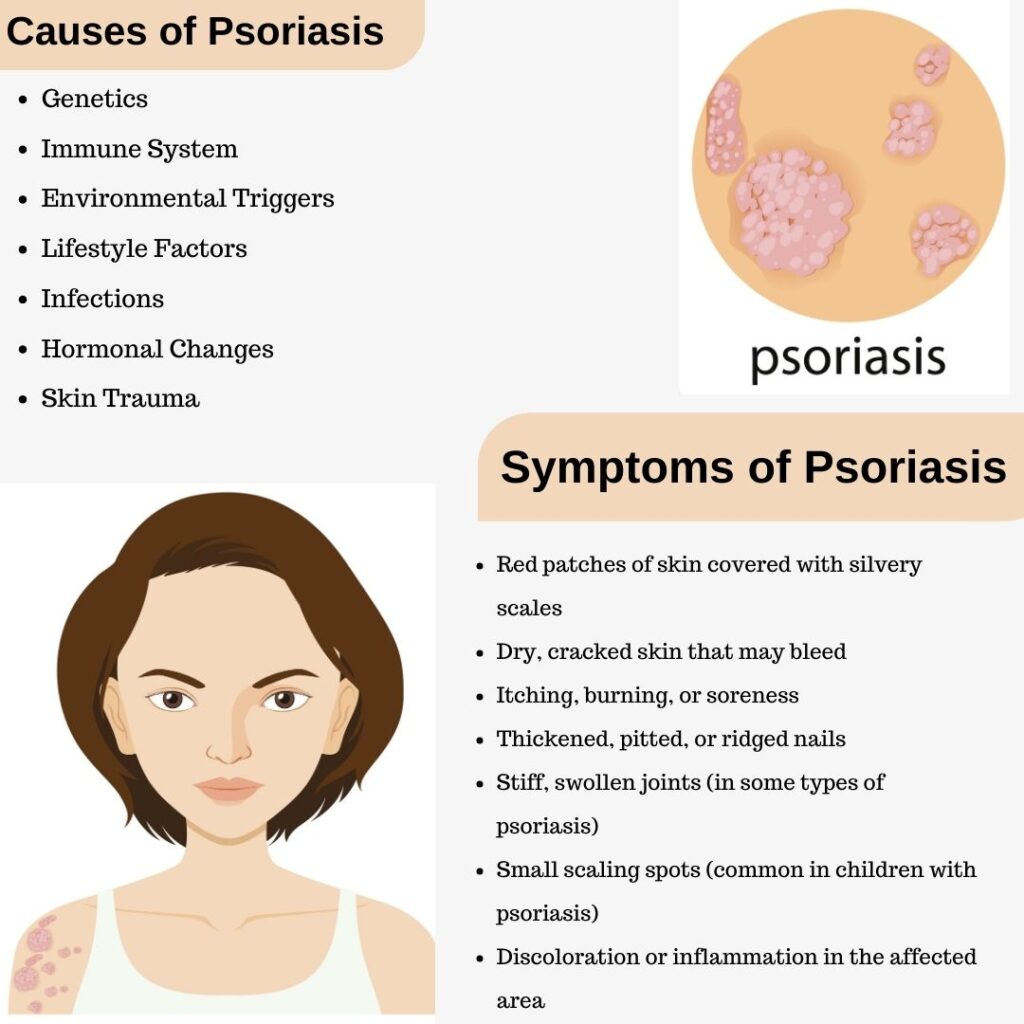
Psoriasis is a chronic skin condition that affects millions of people worldwide. While it’s often misunderstood as just being a cosmetic issue, psoriasis can have significant psychological impacts on those affected. In this article, we’ll delve into the world of psoriasis, exploring its causes, symptoms, and treatment options.
What is Psoriasis?
Psoriasis is an inflammatory skin condition characterized by rapid skin cell growth leading to thick, scaly patches on the skin. It’s a non-contagious condition that affects both men and women equally, with approximately 3.1% of Italian citizens suffering from psoriasis (Source: Italian National Institute of Health). Globally, it’s estimated to affect between 0.6% and 5% of the population.
Age and Life Stages
Psoriasis can strike at any age, but it’s most commonly diagnosed between 20 and 30 years old. While children are rarely affected, a secondary peak in incidence has been observed in individuals aged 50-60 (Source: Psoriasis Association). The onset of psoriasis before the age of 30 may indicate a more severe course.
Symptoms
The classic symptoms of psoriasis include:
- Red, scaly patches on the skin
- Desquamation (shedding of skin cells)
- Pruritus (itching)
- Erythema and arrosage (redness and inflammation)
- Tension and burning sensations
These symptoms can vary in severity and frequency, with some individuals experiencing more severe manifestations. The exact size and location of the affected areas can also differ significantly from person to person.
Types of Psoriasis
There are five main types of psoriasis:
- Psoriasi a placche: Accounting for over 80% of cases, this is the most common type.
- Guttata: Affects approximately 10% of patients.
- Inversa: Manifests as red, scaly patches that can occur alone or in conjunction with psoriasis a placche.
- Eritrodermica: A rare condition affecting only 3% of cases.
- Pustolosa: Also relatively rare, accounting for less than 3% of instances.
Causes and Triggers
Psoriasis is often attributed to the interaction between genetic predisposition and environmental factors such as stress. Other potential triggers include:
- Trauma: Physical or emotional trauma can trigger an episode.
- Infections: Certain infections, like streptococcal pharyngitis, may lead to psoriasis.
- Stress: Psychological stress can exacerbate symptoms.
- Medical Conditions: Certain conditions, such as HIV/AIDS, may increase the risk of developing psoriasis.
- Medications: Some medications, including those for high blood pressure and malaria, may trigger psoriasis.
Treatment Options
While there is no definitive cure for psoriasis, various treatment options can help manage symptoms:
- Topical Treatments: Creams, ointments, and shampoos containing corticosteroids or other active ingredients can help alleviate symptoms.
- Systemic Oral Medications: For more severe cases, systemic oral medications may be prescribed to reduce inflammation.
- Biological Therapies: Targeted treatments for psoriasis, such as infliximab or adalimumab, can help regulate the immune system.
- Phototherapy with UV Radiation: Exposure to specific wavelengths of ultraviolet light can help alleviate symptoms.
Conclusion
Psoriasis is a multifaceted condition that requires a comprehensive approach to management. By understanding the causes, symptoms, and treatment options available, individuals affected by psoriasis can work towards achieving better skin health and overall well-being.
Understanding Psoriasis: Causes, Symptoms, and Treatment Options
Understanding Psoriasis: Causes and Triggers
- Genetic Predisposition: Individuals with a family history of psoriasis are more likely to develop the condition.
- Stress: Psychological stress can exacerbate symptoms.
- Infections: Certain infections, like streptococcal pharyngitis, may lead to psoriasis.
- Medical Conditions: Certain conditions, such as HIV/AIDS, may increase the risk of developing psoriasis.
Understanding Psoriasis: Symptoms and Types
- Classic Symptoms: Red, scaly patches on the skin, desquamation, pruritus, erythema, and tension.
- Types: Psoriasi a placche, guttata, inversa, eritrodermica, and pustolosa.
Understanding Psoriasis: Treatment Options
- Topical Treatments: Creams, ointments, and shampoos containing corticosteroids or other active ingredients.
- Systemic Oral Medications: For more severe cases, systemic oral medications may be prescribed to reduce inflammation.
- Biological Therapies: Targeted treatments for psoriasis, such as infliximab or adalimumab.
- Phototherapy with UV Radiation: Exposure to specific wavelengths of ultraviolet light can help alleviate symptoms.
Understanding Psoriasis: Complications and Comorbidities
- Complications: Psoriatic arthritis, psoriasis-related lymphoma, and cardiovascular disease.
- Comorbidities: Depression, anxiety, and psoriasis-related fatigue.


