
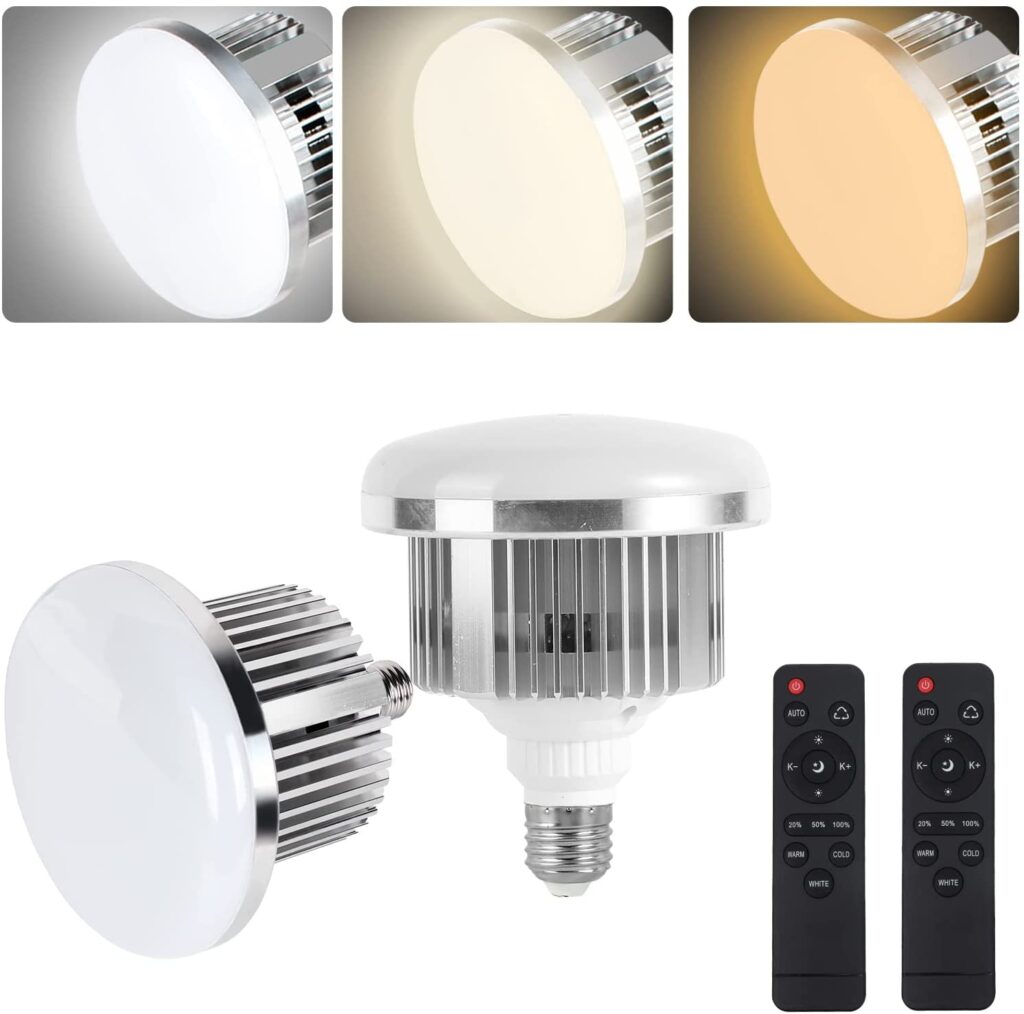
As we navigate the world of lighting, one thing is clear: the choice of lamp can greatly impact our daily lives. With so many options available, it’s easy to get overwhelmed by the numerous types of connections and standards that govern the way we light our homes. In this article, we’ll delve into the fascinating world of lampadine LED connections, focusing specifically on the E27 standard.
A Brief History of Edison
To understand the connection E27, it’s essential to know its origins. The term “E” stands for Thomas Edison, the American inventor who pioneered the development of the incandescent light bulb in 1909. The number that follows “E” indicates the diameter of the connector in millimeters. In this case, an E27 connection measures 27mm.
Edison’s contribution to the world of lighting went beyond his invention of the light bulb. He was a prolific inventor who standardized many processes and technologies, paving the way for modern innovations. However, it’s worth noting that another individual, Heinrich Goebel, had already developed a similar technology before Edison.
Standard IEC: The Commission for Electrotechnical Standardization
The International Commission for Electrotechnical Standardization (IEC) sets standards for various electrical connections, including the E27 connection. These standards ensure that different types of lamps and fixtures can be safely used together, reducing the risk of electrical shock or fire.
Here’s a summary of the standard IEC 60061-1:
| Type | Diameter | Description |
|---|---|---|
| E5 | 5mm | Miniature connection |
| E10 | 10mm | Miniature connection |
| E11 | 11mm | Mini-candelabra connection |
| E12 | 12mm | Candelabra connection |
| E14 | 14mm | Small connection |
| E17 | 17mm | Intermediate small connection |
| E26 | 26-27mm | Medium connection |
| E27 | 26-27mm | Medium connection |
| E39 | 39mm | Giant connection |
| E40 | 40mm | Giant connection |
Why Choose Lampadine LED with Connection E27?
Lampadine LED with connection E27 have become increasingly popular due to their energy efficiency and long lifespan. Compared to traditional incandescent bulbs, LEDs consume significantly less energy while lasting much longer.
The benefits of using lampadine LED with connection E27 include:
- Energy efficiency: LEDs use up to 90% less energy than traditional bulbs
- Long lifespan: LEDs can last up to 50,000 hours or more, compared to 1,000-2,000 hours for incandescent bulbs
- Durability: LEDs are resistant to shock, vibration, and extreme temperatures
Relamping LED: A Cost-Effective Solution
Relamping LED involves replacing traditional lamps with new LED bulbs. This process can be done on your own or with the help of a professional. By switching to lampadine LED with connection E27, you can significantly reduce your energy consumption and save money in the long run.
Here are some tips for relamping LED:
- Start by replacing one or two lamps at a time to get accustomed to the process
- Use online resources and tutorials to guide you through the installation process
- Consider purchasing lampadine LED with connection E27 from reputable sources, such as Amazon
Types of Lamps and Fixtures
When it comes to choosing lampadine LED with connection E27, it’s essential to consider the type of lamps and fixtures you need. Here are some common types:
- Pendant lights
- Table lamps
- Floor lamps
- Ceiling fixtures
- Under-cabinet lighting
Choosing the Right Bulb
With so many options available, choosing the right bulb can be overwhelming. Here are some factors to consider when selecting a lampadine LED with connection E27:
- Lumen output: The amount of light produced by the bulb
- Color temperature: The warmth or coolness of the light (e.g., warm white, cool white)
- Dimmability: Whether the bulb can be dimmed using a dimmer switch
Common Applications for Lampadine LED with Connection E27
Lampadine LED with connection E27 are commonly used in various applications, including:
- Residential lighting
- Commercial lighting (e.g., office buildings, restaurants)
- Industrial lighting
- Outdoor lighting (e.g., pathway lights, floodlights)
Safety Considerations
When using lampadine LED with connection E27, it’s essential to consider safety factors, such as:
- Voltage: Ensure the bulb is compatible with your home’s voltage
- Temperature: Avoid placing bulbs near heat sources or in areas with extreme temperatures
- Humidity: Use bulbs designed for humid environments if necessary
Conclusion
In conclusion, the connection E27 is an essential part of our daily lives, governing the way we light our homes. By understanding the history behind this standard, we can appreciate the innovations that have shaped our modern world. When it comes to choosing lampadine LED with connection E27, consider factors such as energy efficiency, long lifespan, and durability.
FAQs
- What is the difference between E27 and E14 connections?
E27 has a larger diameter (26-27mm) compared to E14 (14mm), which makes it more suitable for medium-intensity lighting. - Are all lampadine LED with connection E27 the same quality?
No, different manufacturers may have varying levels of quality and performance. Look for reputable brands and read reviews before making a purchase. -
Can I use lampadine LED with connection E27 in outdoor settings?
While lampadine LED with connection E27 can be used outdoors, they are not designed for extreme weather conditions. Consider using specialized outdoor-rated bulbs instead. -
How often should I replace my lampadine LED with connection E27?
The lifespan of a lampadine LED with connection E27 depends on usage and quality. Typically, you’ll need to replace them every 5-10 years. -
Can I use lampadine LED with connection E27 in areas with high humidity?
Yes, but make sure to choose bulbs specifically designed for humid environments. -
Are there any safety concerns when using lampadine LED with connection E27?
As with any electrical device, be cautious when handling and installing lampadine LED with connection E27. Make sure to follow the manufacturer’s instructions and take necessary precautions. -
Can I use lampadine LED with connection E27 in areas with extreme temperatures?
While lampadine LED with connection E27 can handle some temperature fluctuations, they are not designed for extreme conditions. Avoid using them near heating vents or radiators. -
Are there any environmental benefits to using lampadine LED with connection E27?
Yes, LEDs consume significantly less energy and produce fewer greenhouse gas emissions compared to traditional bulbs. -
Can I use lampadine LED with connection E27 in areas with high voltage?
It’s not recommended to use lampadine LED with connection E27 in areas with high voltage. Consult a professional electrician before installing them. - Are there any specific applications for lampadine LED with connection E27?
Yes, lampadine LED with connection E27 are often used in commercial and residential settings, including office buildings, schools, hospitals, and homes.
By understanding the world of lampadine LED connections, we can make informed decisions about our lighting needs. Whether you’re looking to upgrade your existing fixtures or replace them entirely, choosing the right connection can significantly impact the energy efficiency and lifespan of your bulbs.


