
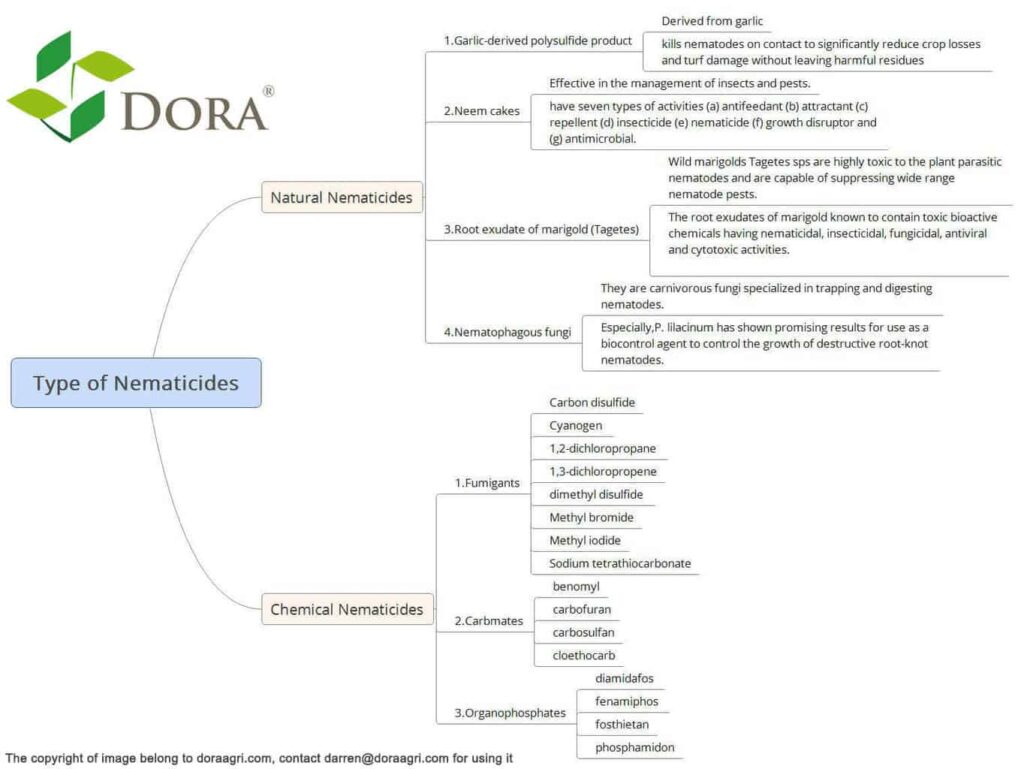
As we explore the world of agriculture and gardening, it’s essential to understand the challenges that farmers and gardeners face in maintaining healthy crops. One of these challenges is nematodes, microscopic worms that feed on plant roots, causing significant damage to crops. In this article, we’ll delve into the world of nematocides, a type of product used to eliminate nematodes from plants.
What are Nematocides?
The term “nematocida” might sound unfamiliar, but it’s a straightforward name that hints at its purpose: killing nematodes. In essence, nematocides are products designed to combat plant parasitic nematodes, which can lead to reduced crop yields and lower quality produce.
Categories of Nematocides
When it comes to categorizing nematocides, we have several types that serve different purposes. Fumigants are the first category, which includes volatil products that pass through the soil after distribution, killing nematodes and other pests like insects and fungi. These fumigants can be used preventively or curatively.
However, not all nematocides are fumigants. Non-fumigant nematocides, also known as systemic products, work by contacting the nematode or through a systemic action that affects multiple pests simultaneously. They’re often used when there’s already an established infestation.
Composition and Types of Nematocides
Nematocides can be grouped into four main categories based on their chemical composition:
- Aloidrocarburi, such as bromuro di metile and cloropicrina, which work by interfering with nematode metabolism.
- Ditiocarbammati, including metham-sodium, carbamati like aldicarb, carbofuran, and carbosulfan, which disrupt nematode functions.
- Fosforganici, such as fenamifos, phorate, ethoprofos, terbufos, and fosthiazate, which affect nematodes by altering their metabolic processes.
Natural Nematocides
In addition to synthetic products, there are natural alternatives available. The most well-known of these is Neem oil, extracted from the seeds of the Neem tree (Azadirachta Indica). Not only is it a powerful nematocide but also possesses eudermic, antibacterial, and antiparassitic properties, making it an excellent choice for both agricultural and veterinary applications.
Nematocides in Commercial Use
When shopping for nematocides, there are various products available on the market. One such product is a nematocida granulare made from garlic, which has proven effective against free-living and galligeni nematodes within the order Tylenchida.
How Nematocides Work
Nematocides can be classified into solid or liquid forms based on their state of application. Solid products are often granular and work by contact and ingestion mechanisms. When distributed over the soil, they release active components that penetrate the nematode’s cell membrane, disrupting its metabolism and ultimately leading to death.
On the other hand, liquid nematocides are typically used during fertirrigation processes in greenhouses or for specific plant species like solanacees or cucurbitacees. These products work by direct contact with nematode larvae before they colonize the plant root system.
Factors Influencing Nematocide Efficacy
Several factors can influence the efficacy of nematocides, including:
- Type of nematode: Different types of nematodes may be more susceptible to certain nematocides.
- Plant species: Some plants are more resistant to nematode infestations than others.
- Environmental conditions: Weather conditions such as temperature and humidity can affect the activity of nematocides.
- Application method: The way in which the nematocide is applied (e.g. foliar spray, soil treatment) can impact its effectiveness.
Precautions When Using Nematocides
When using nematocides, it’s essential to take certain precautions to minimize risks and ensure safe application:
- Read the label carefully: Before applying any nematocide product, read the label carefully to understand its intended use, recommended application rate, and potential hazards.
- Follow recommended application schedules: Use the product according to the manufacturer’s instructions and any local regulations or guidelines.
- Avoid over-application: Avoid applying more than the recommended amount of nematocides, as this can increase the risk of adverse effects on non-target organisms.
Conclusion
In conclusion, understanding nematocides is crucial for maintaining healthy crops and preventing damage from plant parasitic nematodes. By recognizing the different types of nematocides, their applications, and mechanisms of action, farmers and gardeners can make informed decisions about which products to use and how effectively to deploy them.
Frequently Asked Questions
- What is the primary purpose of nematocides?
- The primary purpose of nematocides is to eliminate plant parasitic nematodes from plants.
- Are all nematocides fumigants?
- No, not all nematocides are fumigants; some are non-fumigant and work through systemic actions or direct contact with the nematode.
- What is Neem oil used for besides being a nematocide?
- Besides being a powerful nematocide, Neem oil possesses eudermic, antibacterial, and antiparassitic properties, making it an excellent choice for both agricultural and veterinary applications.
- How do nematocides work in solid form?
- Solid nematocides, such as granules, release active components when distributed over the soil, penetrating the nematode’s cell membrane and disrupting its metabolism to kill it.
- What is the benefit of using non-fumigant nematocides compared to fumigants?
- Non-fumigant nematocides offer a safer and more targeted approach by working through systemic actions or direct contact with the nematode, reducing environmental impact while effectively controlling nematodes.
- Can natural products like Neem oil replace synthetic nematocides?
- While natural products like Neem oil possess potent nematocidal properties, they may not offer the same level of effectiveness as synthetic nematocides for all types of nematode infestations. A combination of both natural and synthetic approaches can provide comprehensive control.
- How often should farmers apply nematocides to ensure effective control?
- The frequency of application depends on factors such as the type of nematode, plant species, environmental conditions, and the specific product being used. Always follow the recommended application schedule provided by the manufacturer or local agricultural experts.
- What are some common mistakes when using nematocides?
- Common mistakes include over-applying or under-applying products, failing to follow recommended application schedules, or neglecting to rotate between different nematocide types and modes of action.
By understanding these key points, farmers and gardeners can make informed decisions about which nematocides to use, how effectively to deploy them, and how often to apply them for optimal results.


