
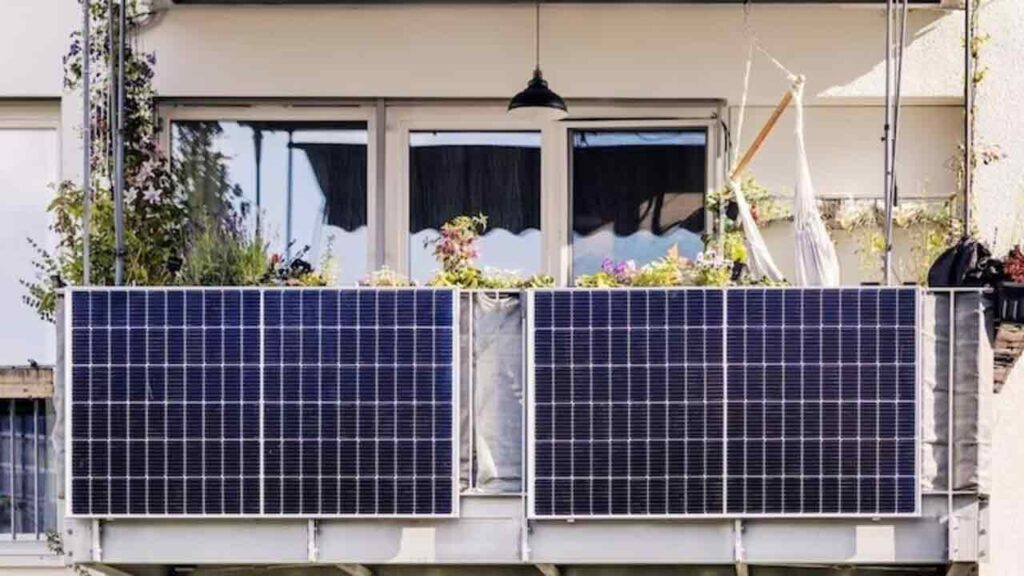
The increasing awareness of climate change has led to a surge in the adoption of renewable energy sources. One popular option is solar panels, which can be easily installed on balconies to generate electricity. However, with so many options available, it’s essential to understand what these systems entail before making a purchase. In this article, we’ll delve into the world of solar panels for balconies, exploring their functionality, legal aspects, and key considerations.
How Do Solar Panels Work on Balconies?
Solar panels are essentially micro-implementations of generation equipment that convert sunlight into electricity. A typical system consists of four primary components:
- Solar panel module: This is the photovoltaic component that captures solar energy.
- Microinverter: Converts direct current (DC) to alternating current (AC), making it usable in household electrical circuits.
- Power cord with plug: Connects the system to a power outlet and allows for easy monitoring of energy production.
- Support structure: Holds the panel securely in place.
The name “Plug-and-Play” comes from the ease of installation, where simply connecting the power cord enables electricity generation. No additional wiring or connection to the main electrical grid is required.
Benefits of Solar Panels on Balconies
Solar panels offer numerous benefits for balcony owners:
- Renewable energy source: Harnessing sunlight reduces reliance on fossil fuels and contributes to a cleaner environment.
- Energy efficiency: By generating electricity, solar panels help reduce overall household energy consumption.
- Cost savings: Although initial installation costs may be high, long-term savings from reduced utility bills can outweigh these expenses.
Legal Aspects of Installing Solar Panels on Balconies
Before installing solar panels on your balcony, it’s essential to understand the legal requirements:
- Permits and regulations: Check with local authorities to determine if any permits or licenses are needed for installation.
- Building codes: Comply with building codes and zoning regulations to ensure a safe and secure installation.
- Insurance coverage: Verify that your insurance policy covers damage caused by solar panels.
Key Considerations for Balcony Solar Panel Installation
When selecting solar panels for your balcony, consider the following factors:
- Space constraints: Measure your balcony space carefully to determine the maximum number of solar panels you can install.
- Light exposure: Choose solar panels with a high energy conversion efficiency rating and ensure adequate light exposure for optimal performance.
- Weight and structural integrity: Select support structures that can hold the weight of the solar panel system, ensuring stability and safety.
- Maintenance requirements: Consider the maintenance needs of your chosen solar panel system, including cleaning and monitoring.
Types of Solar Panels for Balconies
There are several types of solar panels available for balcony installation:
- Monocrystalline solar panels: Known for high energy conversion efficiency rates and durability.
- Polycrystalline solar panels: A more affordable option with lower energy conversion efficiency rates but still a reliable choice.
- Thin-film solar panels: Lightweight, flexible, and suitable for small balcony spaces.
Plug-and-Play Solar Panel Systems
Many manufacturers offer plug-and-play solar panel systems designed specifically for balcony installations:
- Pre-configured units: These systems come with pre-wired components and a comprehensive installation guide.
- Easy installation: Plug-and-play systems eliminate the need for extensive technical knowledge or DIY expertise.
Things to Consider When Buying a Plug-and-Play Solar Panel System
When purchasing a plug-and-play solar panel system, consider the following factors:
- Wattage and capacity: Ensure the system meets your energy needs and is compatible with local electrical codes.
- Compatibility with local grid requirements: Verify that the system can be connected to the main electrical grid or operates independently.
- Energy monitoring and management: Choose a system with built-in monitoring capabilities for optimal performance and efficiency.
Conclusion
Solar panels on balconies offer an efficient, renewable energy source for households. By understanding how these systems work, their legal aspects, and key considerations, balcony owners can make informed decisions when selecting plug-and-play solar panel systems. With the numerous benefits of solar energy and a wide range of options available, it’s easier than ever to harness the power of sunlight on your own terms.
Additional Resources:
- National Renewable Energy Laboratory (NREL): Provides information on solar panel efficiency, cost savings, and installation guidelines.
- The Solar Energy Industries Association (SEIA): Offers industry news, market trends, and educational resources for solar energy enthusiasts.
- Local government websites: Check local regulations, permits, and incentives related to solar panel installations.


