
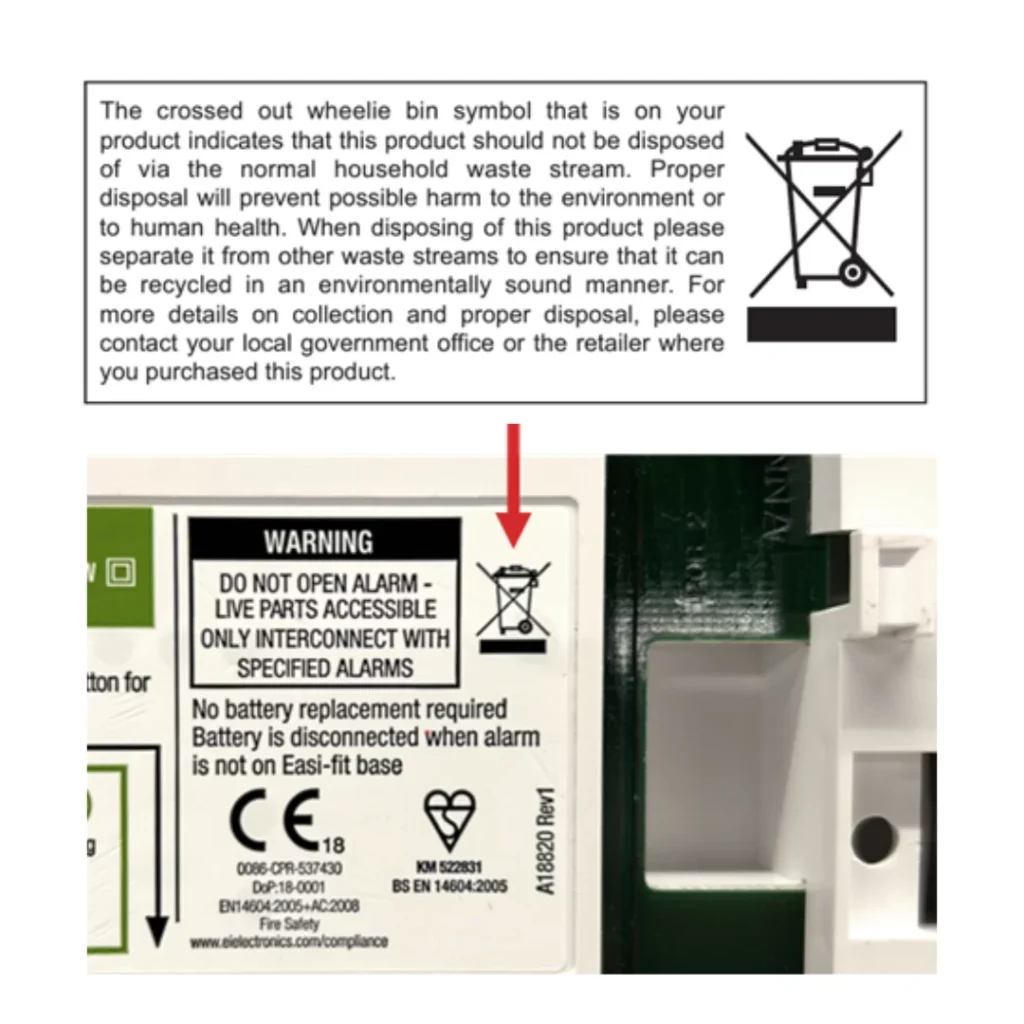
The Italian national system for managing electronic waste, known as the Risultati Apparecchiature Elettroniche Elettriche (RAEE), has made significant strides in its first four years of operation. Collecting over 950,000 tons of waste, the system has become a crucial player in reducing environmental harm.
A Growing Concern
The RAEE system’s impressive growth is evident in its data collection efforts. With a total of 50 million light bulbs properly recycled since 2009, the system has helped prevent the release of 365 tons of mercury into the environment – an amount equivalent to toxic waste from thousands of industrial plants.
Furthermore, the RAEE system’s impact on reducing greenhouse gas emissions is undeniable. By recycling 15 million old TVs and 9 million tons of CO2 from refrigerators and air conditioners, the system has played a vital role in mitigating climate change. This is particularly significant given Italy’s commitment to reducing its carbon footprint and transitioning towards renewable energy sources.
A Key Player in Reducing Emissions
The RAEE system’s efforts have also been instrumental in promoting sustainable practices throughout Italy. By providing a safe and responsible means of disposing of electronic waste, the system has helped to reduce the environmental impact of consumer goods. This is particularly important for products such as refrigerators and air conditioners, which are among the largest contributors to greenhouse gas emissions.
In addition, the RAEE system’s focus on recycling hazardous electronic waste has helped to prevent the release of toxic substances into the environment. By properly disposing of these devices, the system has helped to minimize the risk of environmental harm and protect public health.
A Nationwide Network
The RAEE system’s success can be attributed to its multi-consortial structure, coordinated by the Italian Centre for Waste Management (CdC RAEE). This network has resulted in over 500,000 collection missions at 3,400 waste management centers across the country. With a service quality rating of 98%, the system is providing essential support to communities nationwide.
The RAEE system’s reach extends beyond urban areas, with collection services available in rural regions as well. This has helped to ensure that all citizens have access to safe and responsible e-waste recycling options, regardless of their location.
A Call to Action
However, despite these accomplishments, concerns remain about the long-term sustainability of the RAEE system. The value of certain raw materials, particularly metals, has led to improper waste management practices outside of official channels. This not only undercuts the effectiveness of the RAEE system but also poses a threat to public health and the environment.
To address this issue, the CdC RAEE is urging policymakers to adopt new legislation that prioritizes proper e-waste recycling and reinforces the RAEE system’s role in managing waste nationwide. By implementing such measures, we can ensure that the RAEE system remains a key player in reducing environmental harm and promoting sustainable practices throughout Italy.
Key Statistics
- Over 950,000 tons of electronic waste collected since the start of the RAEE system
- 50 million light bulbs recycled since 2009, preventing 365 tons of mercury release into the environment
- 15 million old TVs recycled, reducing greenhouse gas emissions from landfills
- 9 million tons of CO2 emissions prevented through refrigerators and air conditioner recycling
- Over 500,000 collection missions at 3,400 waste management centers across Italy
FAQs
-
What is the RAEE system in Italy?
The RAEE system is a national program dedicated to managing electronic waste, aiming to reduce environmental harm and promote sustainable practices. -
How much e-waste has been collected by the RAEE system since its inception?
Over 950,000 tons of e-waste have been collected since the start of the RAEE system in Italy. -
What types of waste is the RAEE system recycling?
The RAEE system is focused on recycling hazardous electronic waste, such as light bulbs, TVs, and refrigerators, to prevent environmental harm. -
How effective has the RAEE system been in reducing emissions?
The RAEE system has helped reduce greenhouse gas emissions from landfills by recycling 15 million old TVs and 9 million tons of CO2 from refrigerators and air conditioners. -
What is the role of the CdC RAEE in managing e-waste?
The Italian Centre for Waste Management (CdC RAEE) coordinates the RAEE system, overseeing collection missions and ensuring proper waste management practices nationwide. -
Why is it important to adopt new legislation supporting the RAEE system?
New legislation prioritizing proper e-waste recycling and reinforcing the RAEE system’s role in managing waste nationwide can help address concerns about improper waste management practices outside of official channels. -
What are some common misconceptions about e-waste management?
Many people believe that e-waste is not hazardous, but this is far from true. Improper disposal of electronic devices can lead to environmental harm and health risks. -
How can individuals contribute to reducing e-waste in Italy?
By recycling electronic waste responsibly, using energy-efficient appliances, and supporting organizations promoting sustainable practices, individuals can make a significant impact on reducing e-waste in Italy.
Conclusion
The RAEE system has proven its importance in reducing environmental harm by collecting over 950,000 tons of e-waste since its inception. By adopting new legislation and promoting responsible e-waste management practices, we can ensure the long-term success of this critical program.
As we move forward, it is essential that policymakers continue to prioritize sustainable practices and invest in programs like the RAEE system. By working together, we can create a cleaner, healthier environment for future generations to thrive in.
Recommendations
- Policymakers should adopt new legislation prioritizing proper e-waste recycling and reinforcing the RAEE system’s role in managing waste nationwide.
- Individuals should recycle electronic waste responsibly by participating in official collection programs or dropping off devices at designated centers.
- Organizations promoting sustainable practices should be supported and encouraged to develop initiatives addressing e-waste management.
By implementing these recommendations, we can ensure that the RAEE system remains a key player in reducing environmental harm and promoting sustainable practices throughout Italy.


