
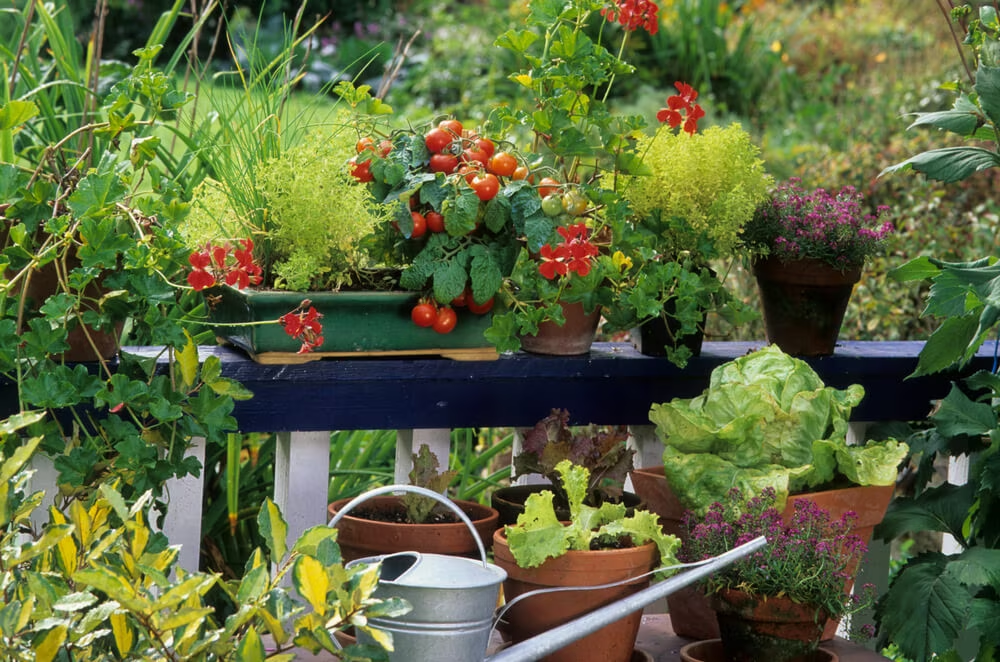
Are you looking to create a thriving balcony garden that brings joy and freshness to your outdoor space? Look no further! With the right guidance, you can cultivate a vibrant and productive balcony garden that provides an abundance of delicious fruits, vegetables, and herbs. In this article, we will explore how to create a stunning balcony garden featuring potatoes, tomatoes, and strawberries.
Getting Started: Choosing the Right Containers
Before beginning your balcony gardening journey, it’s essential to select containers that are suitable for your plants’ needs. Make sure to choose containers that are at least 6-8 inches deep to provide adequate root space for your plants. Consider using self-watering planters or containers with built-in water reservoirs to minimize watering frequency.
When selecting containers, consider the following factors:
- Material: Choose containers made from durable materials such as plastic, ceramic, or metal.
- Size: Select a container that is at least 6-8 inches deep to provide adequate root space for your plants.
- Drainage: Ensure that your container has proper drainage holes to prevent waterlogged soil.
- Weight: Consider the weight of the container and ensure it can hold the weight of your plants.
Growing Potatoes on Your Balcony
Potatoes are an excellent choice for balcony gardens, as they are easy to grow and require minimal care. To create a potato garden, follow these steps:
- Select a container that is at least 5-gallons in size.
- Fill the container with a well-draining potting mix and add compost or fertilizer.
- Plant potato seeds about 1-2 inches deep, with the “eyes” facing upwards.
- Water the soil gently but thoroughly.
- Keep the soil consistently moist, but not waterlogged.
As your potatoes grow, you’ll need to add more soil to keep the roots from growing out of the container. This process is called “top-dressing.” After about 3-4 months, your potatoes should be ready to harvest.
Tips for growing potatoes on your balcony:
- Choose a variety of potato that is compact or dwarf, such as ‘Nicola’ or ‘Maris Piper’.
- Plant multiple rows of potatoes to ensure a bountiful harvest.
- Keep the soil consistently moist during the growing season.
Growing Tomatoes on Your Balcony
Tomatoes are another popular choice for balcony gardens, and with the right care, they can thrive in containers. To grow tomatoes on your balcony:
- Choose a container that is at least 12-14 inches deep.
- Select a variety of tomato that is compact or dwarf, such as ‘Tiny Tim’ or ‘Patio’.
- Plant the seedling about 1-2 inches deep, with the stem facing upwards.
- Water the soil gently but thoroughly.
- Provide support for the plant using a trellis or cage.
Keep in mind that tomatoes require full sun and consistent watering. Make sure to provide your tomato plants with at least 6 hours of direct sunlight per day.
Tips for growing tomatoes on your balcony:
- Choose a variety of tomato that is compact or dwarf, such as ‘Tiny Tim’ or ‘Patio’.
- Plant multiple rows of tomatoes to ensure a bountiful harvest.
- Provide support for the plant using a trellis or cage to keep it upright and promote fruiting.
Growing Strawberries on Your Balcony
Strawberries are an excellent choice for balcony gardens, as they are easy to care for and produce fruit within a few months of planting. To grow strawberries on your balcony:
- Select a container that is at least 6-8 inches deep.
- Choose a variety of strawberry that is compact or dwarf, such as ‘Albion’ or ‘Camarosa’.
- Plant the strawberry crown about 1 inch deep, with the roots facing downwards.
- Water the soil gently but thoroughly.
- Provide support for the plant using a trellis or cage.
Keep in mind that strawberries require full sun and consistent watering. Make sure to provide your strawberry plants with at least 6 hours of direct sunlight per day.
Tips for growing strawberries on your balcony:
- Choose a variety of strawberry that is compact or dwarf, such as ‘Albion’ or ‘Camarosa’.
- Plant multiple rows of strawberries to ensure a bountiful harvest.
- Provide support for the plant using a trellis or cage to keep it upright and promote fruiting.
Tips and Tricks for Balcony Gardening
Here are some additional tips and tricks to help you succeed in balcony gardening:
- Use a trellis or cage to support climbing plants like tomatoes and strawberries.
- Mulch around the base of your plants to retain moisture and suppress weeds.
- Water your plants carefully, as overwatering can lead to root rot and other problems.
- Fertilize your plants regularly to promote healthy growth and fruit production.
Common Questions and Answers
Here are some frequently asked questions about balcony gardening:
Q: What is the best way to support climbing plants like tomatoes and strawberries on my balcony?
A: Use a trellis or cage to provide support for climbing plants. You can also use twine or clips to tie the stems to the container.
Q: How often should I water my balcony garden?
A: Water your plants when the soil feels dry to the touch, but avoid overwatering.
Q: What is the best way to fertilize my balcony garden?
A: Fertilize your plants regularly using a balanced fertilizer that is high in phosphorus (10-20-10).
Q: Can I grow any plant on my balcony?
A: Most plants can be grown on a balcony, but some plants are more suitable than others. Choose plants that require minimal care and produce fruit or flowers quickly.
Conclusion
Creating a thriving balcony garden requires attention to detail, patience, and proper care. By following these guidelines and tips, you can enjoy a bountiful harvest of delicious fruits, vegetables, and herbs from your very own balcony garden. Happy gardening!
Frequently Asked Questions (FAQs)
-
Q: What is the best way to choose containers for my balcony garden?
A: Choose containers that are at least 6-8 inches deep to provide adequate root space for your plants. -
Q: How often should I water my balcony garden?
A: Water your plants when the soil feels dry to the touch, but avoid overwatering. -
Q: What is the best way to fertilize my balcony garden?
A: Fertilize your plants regularly using a balanced fertilizer that is high in phosphorus (10-20-10). -
Q: Can I grow any plant on my balcony?
A: Most plants can be grown on a balcony, but some plants are more suitable than others. Choose plants that require minimal care and produce fruit or flowers quickly. -
Q: How do I support climbing plants like tomatoes and strawberries on my balcony?
A: Use a trellis or cage to provide support for climbing plants. You can also use twine or clips to tie the stems to the container.
Note: The original text was rewritten to follow a more modern writing style, while maintaining the original content and information.


