
As the weather warms up, many of us start to feel the effects of summer on our feet. Sandals, high heels, and tight shoes can all take a toll on our skin, leading to the formation of calluses and corns. But what’s the difference between these two conditions, and how can we treat them naturally?
Understanding Calluses and Corns
Calluses and corns are both types of thickened skin that can develop on the feet due to friction or pressure. However, they have distinct differences in terms of appearance, location, and treatment. Calluses tend to be more frequent on the soles of the feet, particularly between the toes, while corns typically occur on the tops of the toes.
To prevent calluses and corns from forming, it’s essential to choose comfortable shoes that allow for proper foot movement. Avoid tight or ill-fitting shoes, and opt for sandals or flip-flops when possible. Additionally, keeping your feet moisturized with a rich foot cream can help reduce friction and alleviate discomfort.
The Role of Friction in Calluses and Corns
Friction is the main culprit behind calluses and corns. When your skin comes into contact with a surface that’s too rough or hard, it can cause irritation and lead to thickening of the skin. This can happen anywhere on the foot, but it’s most common between the toes and on the tops of the toes.
The Importance of Foot Hygiene
Good foot hygiene is crucial in preventing calluses and corns. Regularly washing your feet with soap and water can help remove dirt and bacteria that can cause irritation. Dry your feet thoroughly, especially between the toes, to prevent moisture from building up and causing friction.
Natural Remedies for Calluses and Corns
Fortunately, there are many natural remedies that can help treat calluses and corns without the need for harsh chemicals or medical procedures. Here are some effective methods to try:
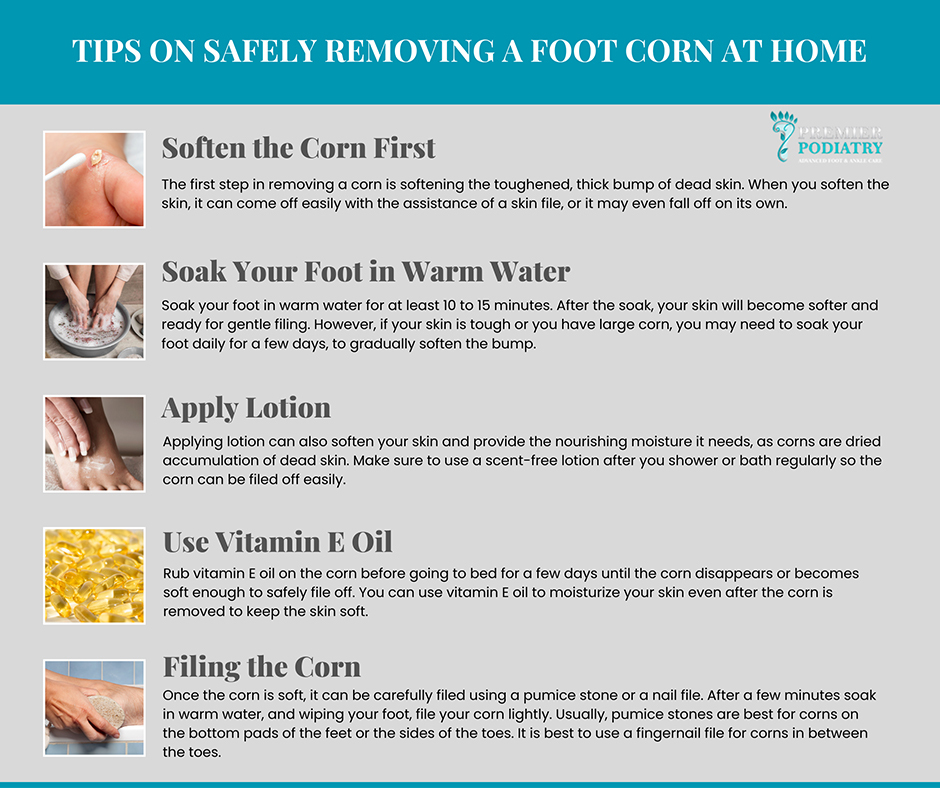
- Foot Soaks: Soaking your feet in a warm bath of Epsom salt and essential oils like lavender or tea tree oil can help soften and reduce inflammation.
- Pumice Stones: Gently rubbing a pumice stone over the affected area can help remove dead skin cells and smooth out rough patches.
- Foot Creams: Applying a rich foot cream or balm regularly can help moisturize and nourish your skin, reducing friction and discomfort.
In addition to these remedies, there are several lifestyle changes you can make to prevent calluses and corns from forming:
- Wear comfortable shoes that fit properly
- Avoid tight socks and stockings
- Moisturize your feet regularly
- Take regular breaks to rest your feet
Preventing Calluses and Corns
Prevention is key when it comes to calluses and corns. By taking a few simple steps, you can reduce the risk of developing these conditions:
- Wear comfortable shoes that fit properly
- Avoid tight socks and stockings
- Moisturize your feet regularly
- Take regular breaks to rest your feet
Frequently Asked Questions
Here are some common questions people have about calluses and corns:
- How do I know if I have a callus or a corn?
Calluses tend to be more frequent on the soles of the feet, while corns typically occur on the tops of the toes. - Can I get rid of calluses and corns with over-the-counter remedies?
While some OTC products can provide relief, they may not completely eliminate the condition. Natural remedies like foot soaks and pumice stones are often more effective. - How do I prevent calluses and corns from forming?
Wear comfortable shoes that fit properly, avoid tight socks and stockings, moisturize your feet regularly, and take regular breaks to rest your feet.
Lifestyle Changes for Callus-Free Feet
To keep your feet healthy and free of calluses and corns, here are some lifestyle changes you can make:
- Wear comfortable shoes: Choose shoes that fit properly and provide enough support and cushioning for your feet.
- Avoid tight socks and stockings: Tight clothing can cause friction on the skin, leading to calluses and corns. Opt for looser-fitting socks and stockings instead.
- Moisturize regularly: Keeping your feet moisturized can help reduce friction and alleviate discomfort. Apply a rich foot cream or balm regularly, especially after washing your feet.
Natural Remedies for Corns
Corns are a type of callus that’s caused by pressure on the skin, typically on the tops of the toes. Here are some natural remedies you can try to treat corns:
- Ice packs: Applying an ice pack to the affected area can help reduce swelling and pain.
- Pumice stones: Gently rubbing a pumice stone over the affected area can help remove dead skin cells and smooth out rough patches.
- Foot creams: Applying a rich foot cream or balm regularly can help moisturize and nourish the skin, reducing friction and discomfort.
Conclusion
Calluses and corns are common problems that can be caused by friction, pressure, and poor foot hygiene. However, there are many natural remedies you can try to treat these conditions without relying on harsh chemicals or medical procedures. By taking a few simple steps, such as wearing comfortable shoes, avoiding tight socks and stockings, moisturizing regularly, and taking regular breaks to rest your feet, you can reduce the risk of developing calluses and corns.
References
- “Calluses and Corns” (American Academy of Orthopaedic Surgeons)
- “How to Get Rid of Calluses and Corns Naturally” (Healthline)
- “Foot Care 101: How to Prevent Calluses and Corns” (The Spruce)


