
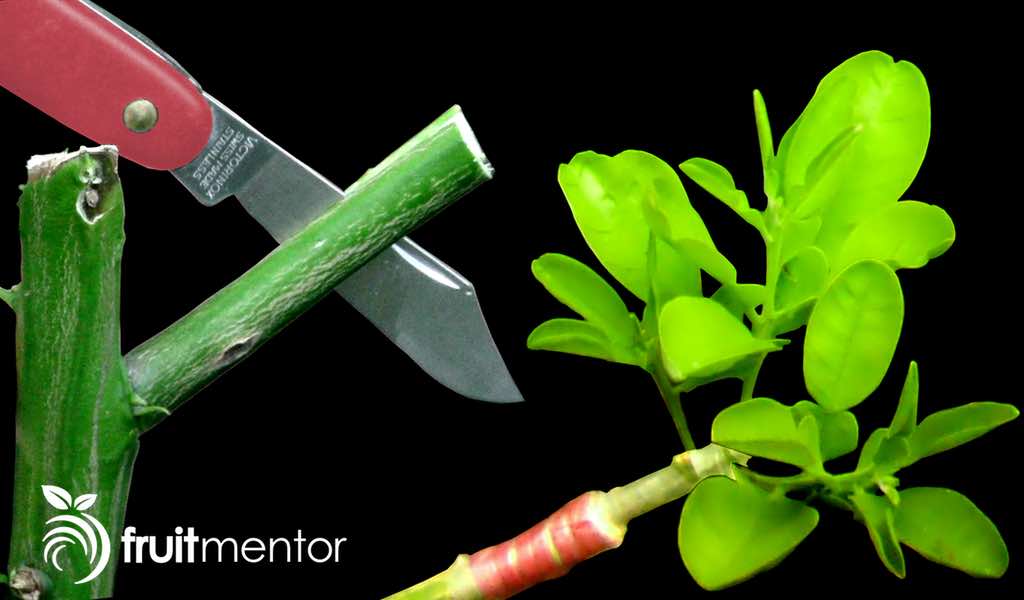
Tree pruning is an essential skill for any homeowner, gardener, or arborist. It not only maintains the health and beauty of your trees but also prevents costly repairs and ensures public safety. In this article, we will explore the basics of tree pruning, including why it’s necessary, how to prune different types of trees, and provide tips and best practices for a successful pruning experience.
Why Prune Trees?
Trees need regular pruning to stay healthy and thrive. Over time, branches can grow too close together, competing with each other for water and nutrients. This competition can weaken the tree and make it more susceptible to disease and pests. Additionally, trees that are not pruned regularly can become unstable and even fall over, posing a risk to people and property.
Types of Tree Pruning
There are several types of tree pruning, including:
- Crown reduction: This involves removing branches from the upper part of the tree to maintain its shape and size.
- Thinning: This involves removing select branches to allow more sunlight to reach the inner parts of the tree.
- Shaping: This involves using pruning tools to shape the overall form of the tree.
Choosing the Right Pruning Tools
The right pruning tools can make all the difference in your tree pruning experience. Here are some essential tools to have on hand:
- Hand saws: These are ideal for cutting larger branches.
- Loppers: These are perfect for cutting smaller branches.
- Pruning shears: These are great for trimming small twigs and stems.
Pruning Techniques
When it comes to pruning, technique is key. Here are some essential pruning techniques to master:
- Cutting at the right angle: Always cut branches at a 45-degree angle to promote healthy growth.
- Removing dead wood: Remove any dead or diseased branches to prevent the spread of disease and pests.
- Making clean cuts: Make clean, precise cuts to prevent damage to the tree.
Pruning Tips and Best Practices
Here are some additional tips and best practices to keep in mind when pruning your trees:
- Prune during the right season: Prune your trees during their dormant season to minimize stress on the tree.
- Make regular inspections: Regularly inspect your trees for signs of disease, pests, or damage.
- Keep your tools sharp: Keep your pruning tools sharp and well-maintained to ensure clean cuts.
Common Tree Pruning Mistakes
Here are some common tree pruning mistakes to avoid:
- Over-pruning: Don’t prune too much of the tree at once, as this can stress the tree and make it more susceptible to disease and pests.
- Not removing dead wood: Failing to remove dead or diseased branches can lead to the spread of disease and pests.
Pruning Different Types of Trees
Here are some pruning tips specifically for different types of trees:
- Deciduous trees: Prune deciduous trees during their dormant season, removing any dead or damaged branches.
- Evergreen trees: Prune evergreen trees during the growing season, removing any dead or diseased branches to promote healthy growth.
- Ornamental trees: Prune ornamental trees according to their specific needs and desired shape.
Pruning Safety
Tree pruning can be a hazardous activity, especially if you’re not experienced. Here are some safety tips to keep in mind:
- Wear protective gear: Always wear protective gear, including gloves, safety glasses, and a hard hat.
- Use proper equipment: Use proper equipment, such as ladders and harnesses, when pruning trees at heights.
- Work with a partner: Work with a partner or team when pruning trees to ensure safety.
Pruning for Wildlife Habitat
When pruning your trees, it’s essential to consider the needs of local wildlife. Here are some tips:
- Leave food sources intact: Leave food sources, such as bird feeders and suet cakes, intact during pruning.
- Provide shelter: Provide shelter, such as hollow logs or leaf litter, for small animals.
- Avoid harming birds: Avoid harming birds by pruning trees near nesting sites.
By following these tips and best practices, you’ll be well on your way to becoming a tree pruning pro. Remember to always prune with care and attention, as trees are living organisms that require gentle but effective treatment.
Frequently Asked Questions
Here are some frequently asked questions about tree pruning:
- Q: What is the best time to prune my trees?
A: The best time to prune your trees depends on the type of tree you have. Generally, it’s best to prune during their dormant season. - Q: How often should I prune my trees?
A: The frequency of pruning depends on the type of tree and its growth rate. As a general rule, prune your trees at least once a year. - Q: What are some common tree pruning mistakes?
A: Some common tree pruning mistakes include over-pruning, not removing dead wood, and not using the right tools.
Conclusion
Tree pruning is an essential skill for any homeowner, gardener, or arborist. By following these tips and best practices, you’ll be able to keep your trees healthy, beautiful, and safe. Remember to always prune with care and attention, as trees are living organisms that require gentle but effective treatment.
FAQs
Here are some frequently asked questions about tree pruning:
- What is the best time to prune my trees?
- The best time to prune your trees depends on the type of tree you have. Generally, it’s best to prune during their dormant season.
- How often should I prune my trees?
- The frequency of pruning depends on the type of tree and its growth rate. As a general rule, prune your trees at least once a year.
- What are some common tree pruning mistakes?
- Some common tree pruning mistakes include over-pruning, not removing dead wood, and not using the right tools.
- How do I choose the right pruning tools for my trees?
- Choose tools that are suitable for the size and type of branches you need to cut.
- What is the difference between crown reduction and thinning?
- Crown reduction involves removing branches from the upper part of the tree, while thinning involves removing select branches to allow more sunlight to reach the inner parts of the tree.
- How do I make clean cuts when pruning my trees?
- Always cut branches at a 45-degree angle and make precise, clean cuts.
- What are some common pests and diseases that affect trees?
- Some common pests include aphids, scale, and borers, while common diseases include root rot, leaf spot, and canker.
- How do I protect my trees from damage caused by weather conditions?
- Regularly inspect your trees for signs of damage and take steps to protect them from extreme temperatures, wind, and rain.
By following these tips and best practices, you’ll be well on your way to becoming a tree pruning pro. Remember to always prune with care and attention, as trees are living organisms that require gentle but effective treatment.
Additional Resources
Here are some additional resources to help you learn more about tree pruning:
- Tree Pruning Books: There are many books available on the topic of tree pruning, including “The Tree Pruner’s Bible” by Tom Nussbaumer and “Pruning: The Art of Cutting Trees” by Jim Johnson.
- Online Courses: Websites like Udemy and Coursera offer online courses on tree pruning, covering topics such as pruning techniques, tool usage, and tree identification.
- Arborist Associations: Many arborist associations, such as the International Society of Arboriculture (ISA), offer resources and guidance on tree pruning and care.
By taking advantage of these resources, you’ll be able to learn more about tree pruning and become a skilled pruner.


