
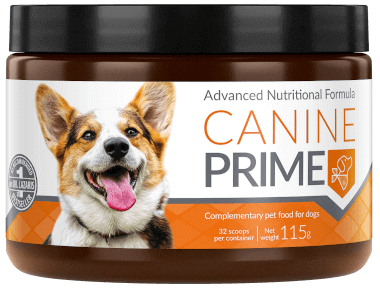
As a responsible dog owner, it’s natural to want to provide your furry friend with the best possible care. One way to do this is by using canine supplements to support their overall health and wellbeing. But are these supplements really necessary, and how can you choose the right ones for your dog?
Understanding Canine Supplements
Canine supplements are dietary additives that can provide essential nutrients, vitamins, and minerals to support your dog’s physical and mental health. They come in a variety of forms, including chewables, softgels, and powders, and can be used to address specific needs such as joint health, digestive issues, or skin allergies.
When to Use Canine Supplements
While it’s always best to consult with your veterinarian before adding any supplements to your dog’s diet, there are certain situations where they may be beneficial. For example:
- If your dog has a medical condition that affects their nutrient absorption
- If you’re looking for ways to support joint health and mobility
- If you want to provide an extra boost of antioxidants and anti-inflammatory compounds
Types of Canine Supplements
There are many different types of canine supplements available, each with its own unique benefits. Some popular options include:
- Multivitamin supplements: These provide a broad range of essential vitamins and minerals to support overall health.
- Joint supplements: These contain ingredients such as glucosamine and chondroitin to help reduce joint pain and inflammation.
- Digestive enzyme supplements: These can help support healthy digestion and reduce symptoms of digestive issues such as diarrhea or bloating.
- Skin and coat supplements: These contain ingredients such as omega-3 fatty acids to promote healthy skin and a shiny coat.
Choosing the Right Canine Supplement
With so many options available, it can be overwhelming to choose the right canine supplement for your dog. Here are some tips to help you make an informed decision:
- Consult with your veterinarian: Your vet can help you determine which supplements are best for your dog based on their individual needs and health status.
- Read labels carefully: Look for supplements that contain high-quality ingredients and avoid those with fillers or by-products.
- Consider your dog’s lifestyle: If your dog is active or lives in a stressful environment, they may benefit from additional support through supplements.
Tips for Giving Your Dog Canine Supplements
If you’ve decided to add canine supplements to your dog’s diet, here are some tips to keep in mind:
- Start with small amounts: Begin with a small dose and gradually increase as needed to avoid gastrointestinal upset.
- Choose a high-quality supplement: Look for reputable brands that use pure ingredients and follow good manufacturing practices (GMPs).
- Be patient: It may take some time to see the benefits of canine supplements, so be patient and consistent with your dosing schedule.
Frequently Asked Questions
Here are some common questions about canine supplements:
Q: Are canine supplements safe for all dogs?
A: While generally considered safe, it’s always best to consult with your veterinarian before adding any supplements to your dog’s diet.
Q: Can I give my dog human supplements?
A: No, human supplements are not formulated for canine needs and can be toxic or cause adverse reactions in dogs.
Q: How often should I give my dog canine supplements?
A: Follow the manufacturer’s instructions for dosing frequency and amount. Be patient and adjust as needed to avoid gastrointestinal upset.
Q: Can canine supplements interact with medications?
A: Yes, it’s possible for canine supplements to interact with your dog’s medication regimen. Always consult with your veterinarian before adding any supplements to their diet.
Q: How can I monitor my dog’s response to canine supplements?
A: Keep a close eye on your dog’s behavior and physical condition. If you notice any adverse reactions or improvements, adjust the dosing schedule accordingly.
Common Canine Supplement Ingredients
Some common ingredients found in canine supplements include:
- Omega-3 fatty acids: These can help promote healthy skin, coat, and joint health.
- Glucosamine and chondroitin: These ingredients can help reduce joint pain and inflammation.
- Probiotics: These beneficial bacteria can help support healthy digestion and immune function.
- Antioxidants: These compounds can help protect against oxidative stress and inflammation.
Benefits of Canine Supplements
Canine supplements can provide a range of benefits for your dog’s overall health and wellbeing. Some potential advantages include:
- Improved joint health: Supplements containing glucosamine and chondroitin may help reduce joint pain and inflammation.
- Enhanced digestion: Probiotics and digestive enzyme supplements may help support healthy digestion and reduce symptoms of digestive issues.
- Shiny coat and skin: Omega-3 fatty acids can promote healthy skin, coat, and overall appearance.
- Boosted immune function: Certain supplements, such as probiotics and antioxidants, may help support immune function and reduce the risk of illness.
Precautions and Side Effects
While canine supplements are generally considered safe, there are some potential precautions and side effects to be aware of. Some possible risks include:
- Gastrointestinal upset: Supplements can cause stomach upset or diarrhea in some dogs.
- Allergic reactions: Some dogs may experience allergic reactions or sensitivity to certain ingredients.
- Interactions with medications: Canine supplements can interact with your dog’s medication regimen, so it’s essential to consult with your veterinarian before adding any supplements.
Conclusion
Canine supplements can be a valuable addition to your dog’s diet, supporting their overall health and wellbeing. By choosing high-quality supplements and following proper dosing instructions, you can help ensure your furry friend stays happy and healthy for years to come. Always consult with your veterinarian before adding any supplements to your dog’s diet, and monitor their response closely to adjust as needed.
Additional Resources
For more information on canine supplements, consider the following resources:
- American Kennel Club (AKC): The AKC offers a wealth of information on canine health and nutrition, including articles on supplements and nutrition.
- National Research Council (NRC): The NRC provides guidance on canine nutrition and health, including recommendations for supplements and nutrient requirements.
- Veterinary Information Network (VIN): VIN is a comprehensive online resource for veterinary professionals and pet owners, offering information on canine health, nutrition, and supplements.
By staying informed and working closely with your veterinarian, you can help ensure your dog receives the best possible care through the use of canine supplements.


