
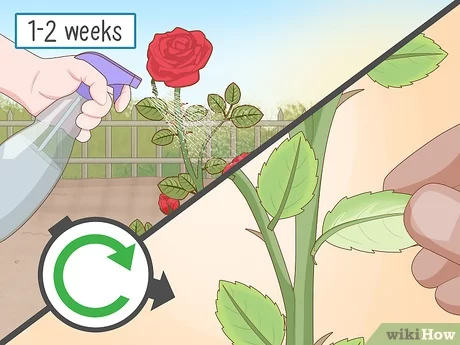
As the seasons change, roses begin to flourish with vibrant blooms. However, these beautiful flowers can be marred by unwanted pests that feed on their leaves and flowers, causing damage to the plant. In this article, we will explore common rose pests, their symptoms, treatments, and methods for eliminating them using natural solutions.
Rose Pests: A Growing Concern
Rose pests are a significant issue for gardeners worldwide. These unwanted critters can cause significant damage to roses, leading to reduced blooms, stunted growth, and even death. The most common pests that target roses include:
- Aphids
- Whiteflies
- Caterpillars
- Slugs
- Mice
Treating Rose Pests: A Natural Approach
While chemical pesticides can provide quick relief, they can also harm beneficial insects and contaminate soil and water. Instead, consider using natural methods to eliminate rose pests:
- Aphid Repellents: Mix equal parts of water and white vinegar in a spray bottle. Spray the solution on affected areas to deter aphids.
- Neem Oil: This natural insecticide can be used to control aphids, whiteflies, and other pests. Mix neem oil with water according to the label instructions and spray it on the plant.
- Diatomaceous Earth: This powder is made from fossilized algae and dehydrates pests, causing them to die. Sprinkle diatomaceous earth around the base of the plant to deter slugs and other pests.
- Physical Barriers: Use fine mesh or fine netting to cover plants, preventing pests from reaching them.
Identifying Rose Pests
To effectively eliminate rose pests, it’s essential to identify the problem correctly:
- Aphids: Look for small, soft-bodied insects on stems and leaves.
- Whiteflies: Identify these pests by their white, winged appearance and ability to fly.
- Caterpillars: Recognize these pests by their large size, bright colors, and distinctive patterns.
Treating Rose Pests: A Methodical Approach
When treating rose pests, follow a systematic approach:
- Inspect the Plant: Carefully examine the plant for signs of infestation.
- Isolate the Infested Area: Use physical barriers to prevent pests from spreading to other plants.
- Apply Natural Pesticides: Use natural pesticides like neem oil, diatomaceous earth, or insecticidal soap according to label instructions.
- Monitor Progress: Regularly inspect the plant for signs of pest control and make adjustments as needed.
Prevention
Preventing rose pests is easier than treating them after they infest your garden:
- Choose Pest-Resistant Roses: Select rose varieties that are resistant to common pests like aphids and whiteflies.
- Maintain Good Garden Hygiene: Regularly clean up debris, prune dead branches, and remove weeds to reduce the risk of pest infestation.
- Use Physical Barriers: Cover plants with fine mesh or netting to prevent pests from reaching them.
Natural Pest Control Methods
In addition to using natural pesticides, consider these alternative methods:
- Companion Planting: Some plants can repel pests that target roses. For example, basil and mint are known to repel aphids.
- Encourage Beneficial Insects: Attract beneficial insects like ladybugs and lacewings by planting flowers that provide them with food.
- Use Neem Oil Sprays: Mix neem oil with water according to the label instructions and spray it on plants to control pests.
Conclusion
Eliminating rose pests requires patience, persistence, and a thorough understanding of the problem. By using natural methods like neem oil, diatomaceous earth, and physical barriers, you can effectively control rose pests without harming beneficial insects or contaminating soil and water. Remember to identify the pest correctly, isolate the infested area, apply natural pesticides, and monitor progress for optimal results.
Frequently Asked Questions
- What are the most common rose pests?
- Aphids
- Whiteflies
- Caterpillars
- Slugs
- Mice
- How do I identify aphids on my roses?
- Look for small, soft-bodied insects on stems and leaves.
- What is the best natural pesticide for rose pests?
- Neem oil
- Can diatomaceous earth be used to control slugs?
- Yes, sprinkle it around the base of the plant to deter slugs.
- How often should I treat my roses with natural pesticides?
- Regularly inspect the plant for signs of pest control and make adjustments as needed.
By following these tips and techniques, you can effectively eliminate rose pests without harming your plants or the environment.


