
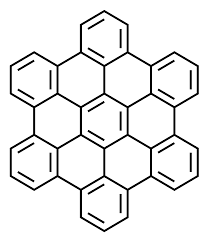
Aromatic polycyclic hydrocarbons (PAHs) are environmental pollutants that pose a significant threat to human health and the environment. These toxic substances can contaminate agricultural crops, water sources, and even affect wildlife, including birds.
What are Aromatic Polycyclic Hydrocarbons?
PAHs are environmental pollutants that consist of two or more aromatic rings, such as those found in benzene, fused together to form a single molecule. Unlike other hydrocarbons, PAHs do not contain heteroatoms in their ring structures. Most PAHs exist in solid form at room temperature, while some with low molecular weights can sublimate (change directly from solid to gas) at ambient temperatures.
PAHs are classified into three categories based on the number of fused rings and branching: non-alkylated, mono-alkylated, and di-alkylated. The most common PAHs include naphthalene, anthracene, phenanthrene, pyrene, and benzo(a)pyrene.
Physical Properties of PAHs
PAHs are highly lipophilic, which allows them to bioaccumulate in organisms. This property makes it difficult for PAHs to dissolve in water, but they can still be found in small amounts in aquatic environments. The size and weight of PAH molecules determine their solubility in air, with larger and heavier PAHs being less soluble.
PAHs also have a high boiling point, which allows them to persist in the environment for extended periods. This persistence makes it challenging to clean up PAH-contaminated sites, as they can remain toxic for decades or even centuries.
Sources of PAHs
PAHs are typically found in fossil fuels, such as coal and petroleum. They are also present in natural sources like cat litter, asphalt, carbon, peat, and wood residues. Additionally, PAHs can be generated from the incomplete combustion of organic materials, including tobacco smoke, food waste, and incinerated waste.
PAHs can also be released into the environment through industrial processes, such as smelting and refining. Furthermore, PAHs can contaminate soil and water through spillage or runoff from contaminated sites.
Cancer Risk Associated with PAHs
PAHs have been classified as cancerogenic, mutagenic, and teratogenic substances by the International Agency for Research on Cancer (IARC). The IARC has identified several PAHs, including benzo(a)pyrene, as “probable” or “possible” human carcinogens.
Exposure to PAHs has been linked to various types of cancer, including lung, skin, and colon cancer. Long-term exposure to PAHs can lead to serious health consequences, making it essential to minimize their presence in the environment.
PAHs and Air Quality
PAHs are also air pollutants that can be generated from incomplete combustion processes, such as those occurring during the burning of fossil fuels or biomass. These pollutants can contaminate urban areas and pose a significant health risk to people living in these regions.
The World Health Organization (WHO) has established guidelines for acceptable levels of PAHs in outdoor air. However, these guidelines are often exceeded in urban areas, highlighting the need for stricter regulations on air pollution.
The Impact of PAHs on Human Health
Exposure to PAHs has been linked to various health problems, including cancer, reproductive issues, and neurological disorders. Long-term exposure to PAHs can lead to serious health consequences, such as increased risk of cancer and respiratory diseases.
PAHs can also affect the nervous system, leading to symptoms such as tremors, muscle weakness, and cognitive impairment. Furthermore, PAHs have been shown to interfere with fetal development, increasing the risk of birth defects and low birth weight.
Regulating PAHs: A Necessary Step Towards a Healthier Environment
To mitigate the risks associated with PAHs, regulatory agencies have established guidelines for acceptable levels of these pollutants in the air and water. For example, the National Institute for Occupational Safety and Health (NIOSH) recommends that workers be exposed to no more than 0.1 micrograms per cubic meter of particulate matter containing PAHs.
The US Environmental Protection Agency (EPA) has also established guidelines for acceptable levels of PAHs in water and soil. However, these guidelines are often exceeded, highlighting the need for stricter regulations on pollution from industrial sources.
What Can You Do to Reduce Your Exposure to PAHs?
To minimize your exposure to PAHs, take the following steps:
- Avoid smoking and secondhand smoke
- Choose cooking methods that do not produce toxic fumes, such as grilling outdoors or using a gas stovetop
- Use air purifiers in your home or workplace
- Support policies aimed at reducing pollution from fossil fuels
By understanding the risks associated with PAHs and taking steps to minimize our exposure, we can work towards creating a healthier environment for ourselves and future generations.
Frequently Asked Questions
Q: What are some common sources of PAHs in the environment?
A: PAHs can be found in fossil fuels, natural sources like cat litter and asphalt, and generated from incomplete combustion processes.
Q: Are all PAHs toxic to humans?
A: Not all PAHs have been shown to be toxic to humans. However, some PAHs have been classified as cancerogenic or mutagenic substances by regulatory agencies.
Q: Can PAHs be removed from the air and water?
A: While it is possible to remove PAHs from the air and water using various technologies, it can be a costly and challenging process.
Q: What are some ways to reduce exposure to PAHs in the workplace?
A: Workers can take steps to minimize their exposure to PAHs by wearing protective gear, working in well-ventilated areas, and following safety protocols when handling materials that may contain PAHs.
Q: Are there any alternative sources of energy that do not produce PAHs?
A: Yes, renewable energy sources like solar and wind power do not produce PAHs. Investing in these technologies can help reduce our reliance on fossil fuels and mitigate the risks associated with PAHs.
Conclusion
PAHs are a significant threat to human health and the environment, and it is essential that we take steps to minimize their presence in our daily lives. By understanding the sources of PAHs, their physical properties, and their impact on human health, we can work towards creating a healthier environment for ourselves and future generations.
While there are no easy solutions to the problem of PAHs, there are steps that can be taken to reduce exposure. These include avoiding smoking and secondhand smoke, choosing cooking methods that do not produce toxic fumes, using air purifiers in our homes and workplaces, and supporting policies aimed at reducing pollution from fossil fuels.
By working together, we can create a cleaner, healthier environment for ourselves and future generations.


