
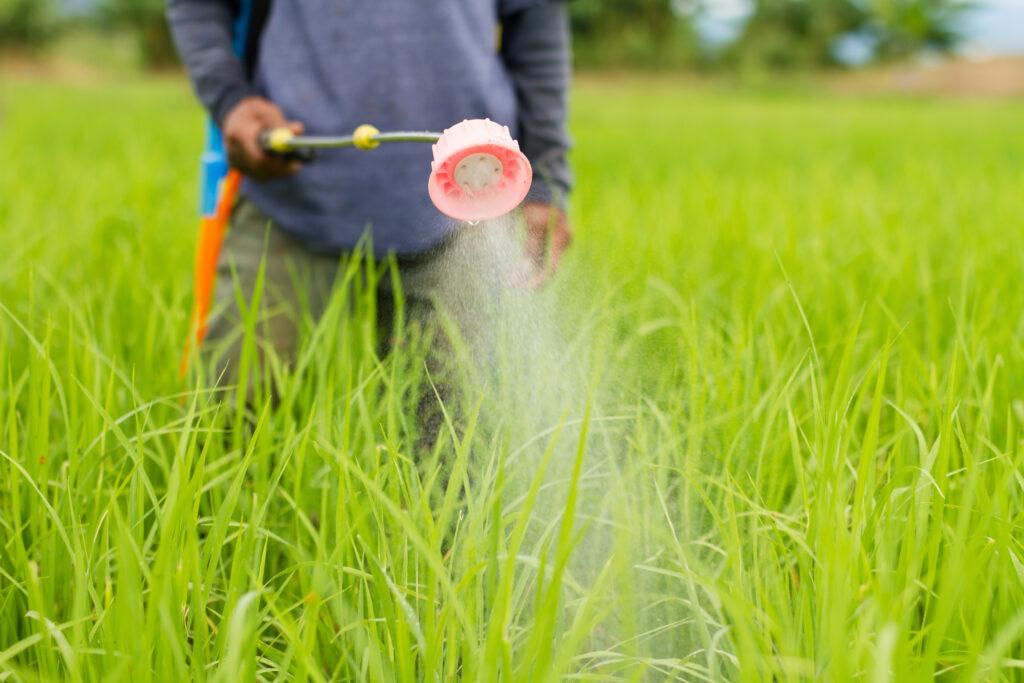
As of January 22, 2018, a new directive from the European Union has imposed significant restrictions on the use of professional plant protection products. The document highlights the need for a certification process to ensure safe and responsible use of these products in agriculture.
The introduction of the patentino certification system is a response to growing concerns about the environmental impact of plant protection products. These products have been widely used in agriculture, but their chemical composition has raised concerns about human health and the environment. The EU directive aims to regulate the availability of certain active ingredients for non-professional use, while promoting more sustainable agricultural practices.
What is the Purpose of the Patentino?
The patentino is a certification that allows individuals or companies to purchase and use specific plant protection products professionally. This certification is required to comply with the new EU directive, which restricts the availability of certain active ingredients for non-professional use. The patentino serves as proof of an individual’s knowledge and understanding of plant protection products, ensuring they are used safely and responsibly.
Why are Restrictive Measures in Place?
The restrictive measures aim to reduce the environmental impact of plant protection products and promote more sustainable agricultural practices. By limiting access to certain products, the directive encourages farmers and growers to adopt safer and more environmentally friendly methods. This includes the use of integrated pest management (IPM) strategies, which consider multiple factors such as crop rotation, biological control, and cultural controls.
The EU also aims to reduce the risk of chemical residues on crops, which can affect human health and contaminate food supplies. The patentino certification process ensures that individuals using these products have the necessary knowledge to handle them safely and avoid environmental contamination.
Who Needs a Patentino?
Farmers, gardeners, and professionals in the agricultural sector need a patentino to purchase and use specific plant protection products professionally. This certification is essential for ensuring compliance with EU regulations and protecting both human health and the environment. The patentino applies to individuals who work with plants on a regular basis, including those involved in agriculture, horticulture, forestry, and landscaping.
How to Obtain a Patentino
To obtain a patentino, individuals must complete an approved training course, which typically lasts 20 hours. The course covers essential topics such as:
- Active ingredients: Understanding the chemical composition of plant protection products and their potential environmental impacts.
- Safety precautions: Learning how to handle plant protection products safely and avoid exposure to toxic substances.
- Responsible use: Understanding the principles of IPM and how to integrate these practices into agricultural practices.
After completing the course, applicants must pass an exam or undergo a verbal assessment. This ensures that individuals have acquired the necessary knowledge and skills to use plant protection products safely and responsibly.
Where to Find Training Courses
Training courses for patentino certification are offered by regional authorities and provincial offices across Italy. These organizations provide information on available courses, schedules, and fees. Individuals can also contact their local agricultural department or extension office for more information.
Costs and Fees Associated with Patentino Certification
While there is no fixed cost for the training course, applicants must pay a registration fee of €16 for the patentino application. This fee covers the administrative costs associated with processing the application and issuing the certification.
Exceptions to the Requirement
Certain individuals, such as those already holding a consultant’s certificate in plant protection or possessing specific degrees in relevant fields (e.g., agricultural science, forestry, chemistry), may be exempt from completing the training course and passing an exam. These exemptions are granted by the regional authorities, who assess each individual’s qualifications and experience.
FAQs
- What is the purpose of the patentino certification?
The patentino certification ensures compliance with EU regulations on professional plant protection products. - Who needs a patentino?
Farmers, gardeners, and professionals in the agricultural sector need a patentino to purchase and use specific plant protection products professionally. - How do I obtain a patentino?
Complete an approved training course (20 hours) and pass an exam or undergo a verbal assessment. - Where can I find training courses for patentino certification?
Regional authorities and provincial offices across Italy offer the courses. - Is there a fee associated with obtaining a patentino?
Yes, a registration fee of €16 is required. - Can I apply directly without completing the course?
No, unless you possess specific degrees or certifications in relevant fields.
Benefits of Patentino Certification
Obtaining a patentino certification has several benefits for individuals and businesses involved in agriculture. These include:
- Compliance with EU regulations: The patentino certification ensures that individuals are using plant protection products safely and responsibly, reducing the risk of environmental contamination.
- Access to safer products: The patentino certification process allows businesses to purchase and use specific plant protection products professionally, which may be safer than non-certified alternatives.
- Increased productivity: By adopting IPM strategies and using certified plant protection products, farmers and growers can reduce pest populations and improve crop yields.
- Improved reputation: Businesses that obtain a patentino certification demonstrate their commitment to sustainable agricultural practices and responsible use of plant protection products.
Conclusion
The new patent requirements for professional plant protection products aim to promote safer and more sustainable agricultural practices while reducing environmental harm. Understanding these regulations is essential for anyone involved in agriculture or horticulture. By obtaining a patentino certification, individuals can ensure compliance with EU regulations, access safer products, increase productivity, and improve their reputation.
In the future, it is likely that additional certifications and training programs will be introduced to address emerging issues in plant protection products. As the regulatory landscape evolves, businesses and individuals must stay informed and adapt to new requirements to remain compliant and sustainable.


