
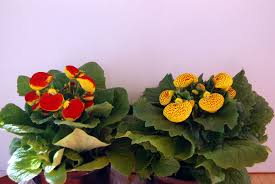
As we step into the world of ornamental plants, one genus that catches our attention is the Calceolaria. With over 400 species, these beautiful flowers have been delighting gardeners and flower enthusiasts for centuries. In this article, we will delve into the characteristics, cultivation, and species of Calceolaria, as well as some common pests and diseases that can affect them.
What are Calceolaria?
Calceolaria is a genus of flowering plants belonging to the Plantaginaceae family. These plants are predominantly herbaceous and can be perennial, annual, or biennial. They thrive in cooler temperatures, ranging from 10°C to 18°C, making them ideal for indoor cultivation or outdoor growth in shaded areas.
Calceolaria is a relatively small genus of flowering plants that originated in the southern hemisphere, specifically in South America, Africa, and Australia. The name Calceolaria comes from the Latin word “calceus,” meaning shoe, which refers to the unique shape of the flowers.
Characteristics of Calceolaria
One of the most striking features of Calceolaria is their unique flower formation. The flowers are formed by two petals that are united at the base, giving them a distinctive appearance reminiscent of a shoe or pantofola, as suggested by their name. These flowers come in a variety of colors, including yellow, pink, red, and even striped patterns.
The leaves of Calceolaria can vary in shape and texture, from smooth to hairy or dentated. This diversity in leaf structure allows the plants to adapt to different environments and conditions. Some species have variegated leaves with white or green markings, adding to their unique appearance.
Cultivation of Calceolaria
Calceolaria is relatively easy to cultivate, making them a great addition to any garden or indoor space. To ensure optimal growth, it’s essential to provide the right conditions:
- Temperature: Keep the temperature between 10°C and 18°C, avoiding extreme heat or cold.
- Light: Provide partial shade to full sun, depending on the species. Some species prefer bright light, while others require more filtered light.
- Watering: Water moderately, ensuring the soil remains moist but not waterlogged. Overwatering can lead to root rot, while underwatering may cause leaf drop.
- Fertilization: Feed with a balanced fertilizer during the growing season, and a high-potassium fertilizer in the spring. This will promote healthy growth and flowering.
Pruning and Propagation
To encourage healthy growth and flowering, prune your Calceolaria regularly by removing dead or dying leaves and flowers. This will also help prevent the spread of diseases and maintain the plant’s appearance.
In the spring, divide and replant the tubers to ensure fresh growth and new blooms. Make sure to handle the tubers gently and store them in a cool, dry place until planting time.
Species of Calceolaria
With over 400 species, Calceolaria offers a wide range of choices for gardeners. Here are a few notable species:
- C. arachnoidea: This species features beautiful purple flowers in summer and autumn. It’s native to Chile and has a straggling habit.
- C. Darwinii: A small perennial with yellow-orange flowers, this species is native to South America.
- C. mexicana: An annual with bright yellow flowers, this species is known for its delicate foliage.
Native Habitat of Calceolaria
Calceolaria plants can be found in a variety of habitats, including:
- Savannas and grasslands: Some species, like C. arachnoidea, thrive in these environments.
- Meadows and fields: Others, like C. Darwinii, prefer the open spaces of meadows and fields.
- Woodland edges: A few species, like C. mexicana, can be found growing along woodland edges.
Growing Calceolaria Indoors
Calceolaria can thrive indoors with proper care and attention. To grow them successfully:
- Provide sufficient light: Use a south-facing window or supplemental lighting to ensure the plants receive enough light.
- Maintain a consistent temperature: Keep the temperature between 10°C and 18°C, avoiding extreme heat or cold.
- Water carefully: Avoid overwatering, which can lead to root rot. Water only when the soil feels dry to the touch.
Pest and Disease Control
While Calceolaria are relatively low-maintenance plants, they can be susceptible to certain pests and diseases:
- Phytophthora: A fungus that causes leaf blight and root rot. Use a specific fungicide to treat infected areas.
- Aleurodidi: Also known as whiteflies, these insects feed on plant sap, causing damage to leaves and flowers. Use neem oil or insecticidal soap to control infestations.
- Aphids: Small, wingless insects that feed on plant sap, causing curled or distorted leaves. Use neem oil or insecticidal soap to treat infestations.
Propagation Methods
Calceolaria can be propagated through various methods:
- Division: Divide the tubers in the spring to ensure fresh growth and new blooms.
- Stem cuttings: Take stem cuttings from healthy plants and root them in a potting mix.
- Seed: Sow seeds directly into a potting mix, using a propagation tray or small pots.
Conclusion
Calceolaria are fascinating plants that add beauty and charm to any garden or indoor space. By understanding their characteristics, cultivation requirements, and common pests and diseases, you can enjoy the rewards of growing these stunning flowers.
Frequently Asked Questions (FAQs)
- Q: How often should I water my Calceolaria?
A: Water moderately, ensuring the soil remains moist but not waterlogged. - Q: Can I grow Calceolaria in direct sunlight?
A: While some species can tolerate full sun, most prefer partial shade to prevent scorching. - Q: How do I propagate Calceolaria?
A: Divide and replant the tubers in the spring to ensure fresh growth and new blooms. - Q: What is the best fertilizer for Calceolaria?
A: Use a balanced fertilizer during the growing season, and a high-potassium fertilizer in the spring. - Q: Can I grow multiple species of Calceolaria together?
A: Some species can be grown together, but ensure they have similar growing conditions and light requirements.
By following these tips and guidelines, you’ll be well on your way to becoming a Calceolaria expert and enjoying the beauty of these unique flowers in your garden or indoor space.


