
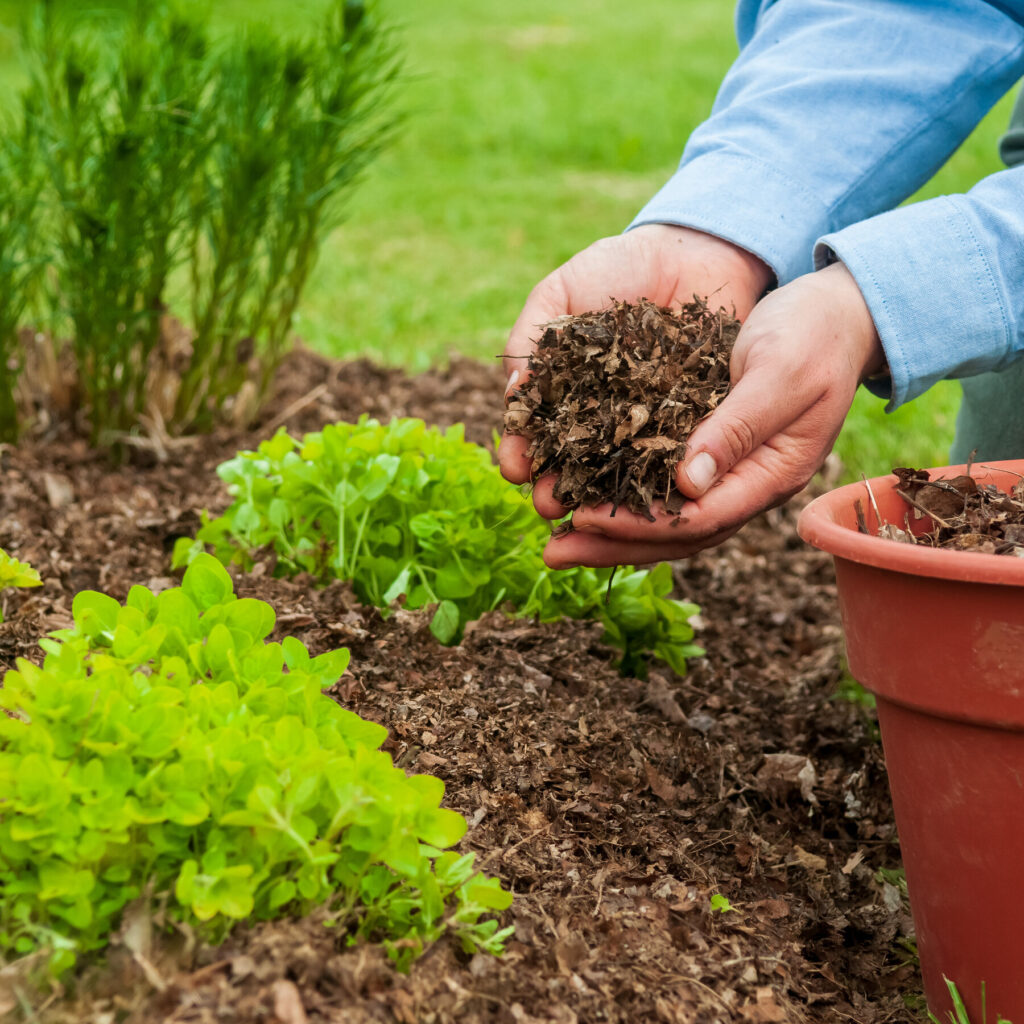
As gardeners, we’re always on the lookout for ways to improve our green spaces and protect them from pests, diseases, and harsh weather conditions. One effective method is mulching, which can help retain moisture, suppress weeds, and regulate soil temperature. However, with so many options available, it’s easy to feel overwhelmed when choosing the right materials for your garden.
What are Mulching Materials?
Mulching refers to the process of covering the soil surface with a layer of organic or inorganic materials to create a favorable environment for plant growth. The goal is to protect the roots from extreme temperatures, moisture loss, and weed competition, while also adding nutrients and improving soil structure.
Why Choose Natural Mulching Materials?
While synthetic mulch options are available, natural materials offer numerous benefits:
- Improved Soil Health: Natural mulch decomposes over time, releasing essential nutrients and microorganisms that benefit plant growth.
- Reduced Weeds: Mulch helps suppress weed competition by blocking light and preventing seed germination.
- Conservation of Water: Mulch retains moisture in the soil, reducing evaporation and runoff.
- Aesthetic Appeal: Natural mulch adds a decorative touch to your garden, creating a visually appealing atmosphere.
Top Natural Mulching Materials
Here are some effective and eco-friendly options:
- Leaf Mold: Rich in nutrients, leaf mold is an excellent choice for acid-loving plants like azaleas and rhododendrons.
- Grass Clippings: Fresh grass clippings can be used as a mulch, but it’s essential to dry them first to prevent rotting.
- Straw: A popular choice for vegetable gardens, straw helps retain moisture and suppress weeds.
- Wood Chips or Shavings: These biodegradable materials are perfect for acid-loving plants like blueberries and strawberries.
Combining Materials for Optimal Mulching
To create an effective mulch, consider combining different materials:
- Layering: Alternate between different materials to achieve the desired level of moisture retention and weed suppression.
- Mixing: Combine materials with varying nutrient profiles to create a balanced mulch.
While synthetic mulch options are available, natural materials offer numerous benefits for your garden. By choosing the right materials and combining them effectively, you can create an optimal mulching strategy that promotes healthy plant growth and reduces maintenance.
Frequently Asked Questions
- What is the best time to mulch my garden?
Mulching can be done at any time of year, but it’s essential to consider the specific needs of your plants. - How often should I replenish my mulch?
Replenish your mulch as needed to maintain its effectiveness in suppressing weeds and retaining moisture. - Can I use synthetic mulch?
While synthetic mulch options are available, natural materials are generally preferred for their environmental benefits and improved soil health.
Benefits of Mulching
Mulching has numerous benefits for your garden:
- Improved Soil Structure: Mulch helps improve soil structure by adding organic matter and improving drainage.
- Increased Crop Yields: By retaining moisture and suppressing weeds, mulch can lead to increased crop yields and better plant growth.
- Reduced Erosion: Mulch helps prevent erosion by stabilizing the soil and preventing runoff.
Common Mistakes to Avoid
When mulching your garden, there are several common mistakes to avoid:
- Over-Mulching: Applying too much mulch can lead to moisture retention issues and create an ideal environment for pests.
- Under-Mulching: Not enough mulch can result in weed competition and reduced soil health.
- Mulching Too Early: Mulching too early in the growing season can interfere with seed germination and plant growth.
Creating a Sustainable Mulching Strategy
To create a sustainable mulching strategy, consider the following tips:
- Choose Materials Locally: Choose materials that are readily available locally to reduce transportation costs and minimize environmental impact.
- Minimize Waste: Minimize waste by reusing or repurposing materials like straw or wood chips.
- Maintain Soil Health: Maintain soil health by adding nutrients and microorganisms to your mulch.
By following these guidelines and choosing the right materials for your garden, you can create a thriving oasis that’s both beautiful and sustainable.


