
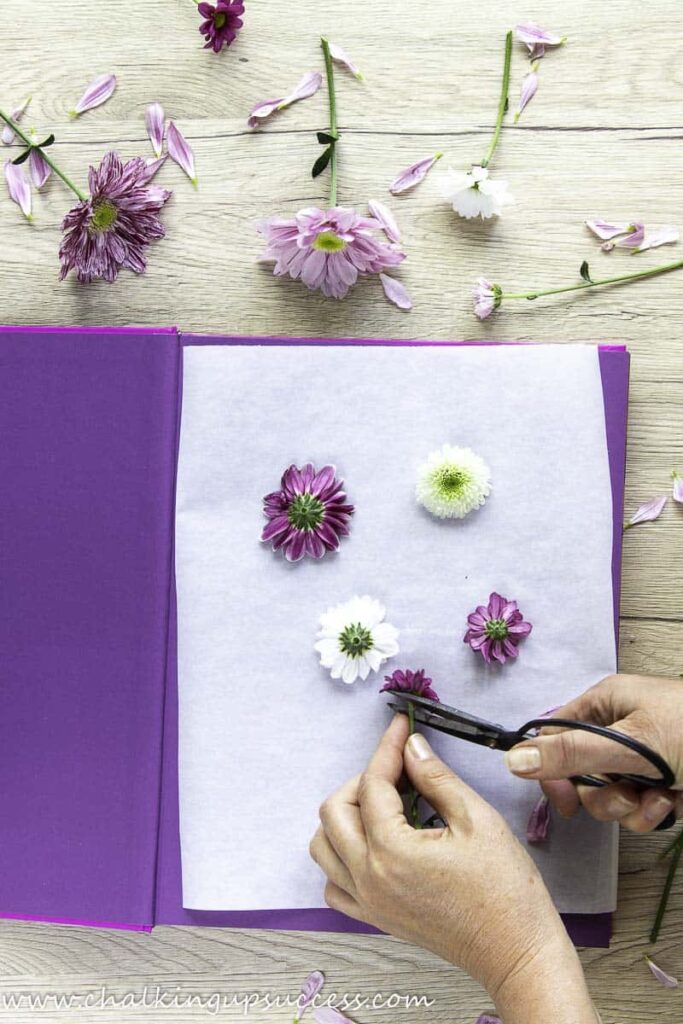
As a flower enthusiast, there’s nothing quite like having fresh blooms in your home. However, we know that this beauty is often fleeting, and the flowers may eventually wilt and fade away. But fear not! With the right techniques and tools, you can preserve the delicate petals of your favorite flowers and enjoy their beauty for months to come.
Understanding the Art of Pressing Flowers
Pressing flowers is an ancient art form that involves using heat and moisture to dry out the petals and leaves of flowers. This process allows you to flatten the flower’s structure, making it easier to preserve and display. But before we dive into the nitty-gritty of pressing flowers, let’s cover some essential tips.
Preparation is Key
Before attempting to press your flowers, there are a few things to keep in mind:
- Choose dry days: Avoid pressing flowers on rainy or humid days, as this can cause them to rot and lose their shape.
- Select simple flowers: Opt for flowers with simple shapes and fewer petals, like daisies, sunflowers, and baby’s breath. These will hold up better during the pressing process.
- Be patient: Pressing flowers takes time, so be prepared to wait a few weeks before enjoying your preserved blooms.
Pressing Flowers without Special Equipment
If you don’t have access to a flower press, don’t worry! You can still create beautiful pressed flowers using everyday items. Here are a few methods:
- Book method: Place your flower between the pages of a heavy book and weigh it down with something flat, like a brick or a plate.
- Newspaper method: Arrange your flowers between two layers of newspaper, adding some weights on top to keep them in place.
- Carton method: Create a makeshift press by placing a layer of absorbent paper (like blotting paper) under the flower, followed by a layer of cardboard and another layer of absorbent paper. Repeat this process until you have 3-4 layers.
Tips for Pressing Flowers with Special Equipment
If you’re using a dedicated flower press, here are some additional tips to keep in mind:
- Use a variety of paper: Alternate between absorbent paper and blotting paper to ensure even drying.
- Avoid over-pressing: Don’t apply too much pressure, as this can cause the flowers to become misshapen or damaged.
The Science Behind Pressing Flowers
So why do flowers need to be pressed? The answer lies in the way they dry out. When a flower is exposed to air and heat, its cells shrink, causing it to lose its shape and structure. By pressing the flower between two sheets of paper, you’re creating a controlled environment that allows the flower to dry slowly and evenly.
Timing is Everything
The amount of time it takes for flowers to press depends on several factors, including the type of flower, the temperature, and humidity levels. Generally speaking, it can take anywhere from 2-6 weeks for flowers to be fully dried and ready for display. However, with a little patience and care, you can enjoy your preserved blooms for months to come.
Common Mistakes to Avoid
- Not using enough paper: Make sure to use multiple layers of absorbent paper to prevent the flower from becoming discolored or damaged.
- Exposing flowers to direct sunlight: This can cause the colors to fade and the petals to become brittle.
- Over-pressing: Be careful not to apply too much pressure, as this can cause the flowers to become misshapen or damaged.
Preserving Pressed Flowers
Once your flowers are dry and pressed, you can enjoy them in a variety of ways. Here are some ideas:
- Frame them: Use a frame to display your preserved flowers, adding a touch of elegance to any room.
- Use them in crafts: Pressed flowers can be used in all sorts of craft projects, from wreaths and garlands to cards and gift tags.
- Create a flower press book: Arrange your pressed flowers between the pages of a heavy book, creating a beautiful and unique keepsake.
Conclusion
Pressing flowers is an art form that requires patience, attention to detail, and a little bit of creativity. By following these simple tips and techniques, you can preserve the beauty of your favorite flowers and enjoy them for years to come. Whether you’re a seasoned flower presser or just starting out, we hope this guide has been helpful in inspiring you to try your hand at preserving these delicate blooms.
Frequently Asked Questions
- What type of paper should I use for pressing flowers?
- Absorbent paper (like blotting paper) is ideal for absorbing moisture from the flowers.
- Can I press flowers in direct sunlight?
- While some sunlight can be beneficial, it’s best to avoid direct sunlight, which can cause flowers to fade or become discolored.
- How long does it take for flowers to dry and be ready for display?
- The amount of time it takes will depend on several factors, including the type of flower and environmental conditions.
- Can I use a single sheet of paper to press multiple flowers?
- It’s best to use separate sheets of paper for each individual flower to ensure even drying and prevent damage.
- What if my pressed flowers are discolored or damaged?
- This can be due to factors such as over-pressing, improper storage, or exposure to direct sunlight. Try using a cleaning solution specifically designed for delicate items to restore your flowers’ original color and texture.
By following these guidelines and tips, you’ll be well on your way to becoming a master flower presser!


